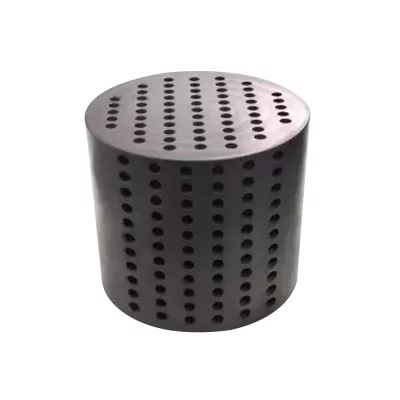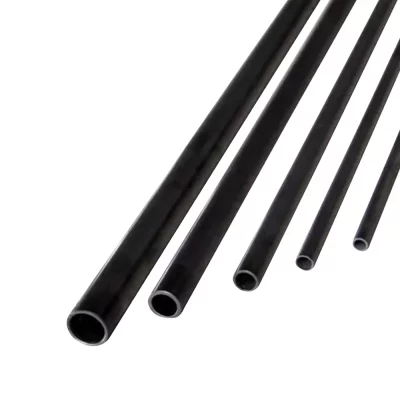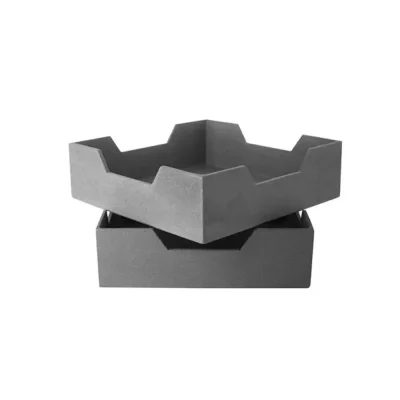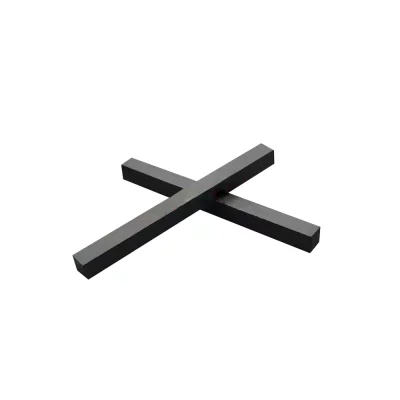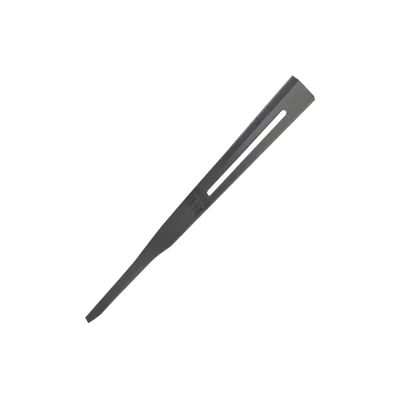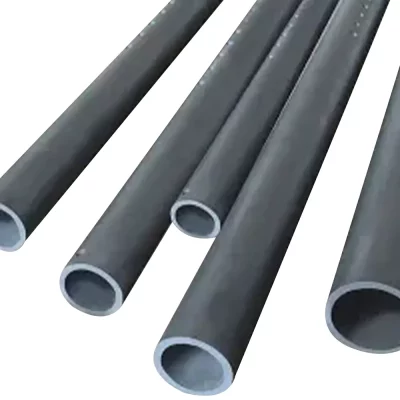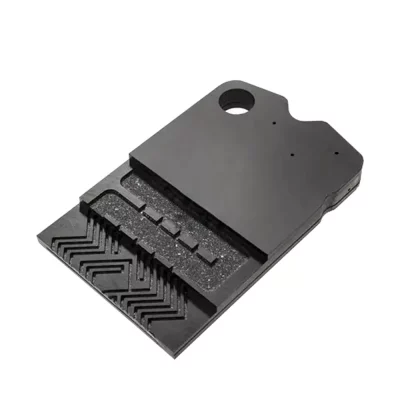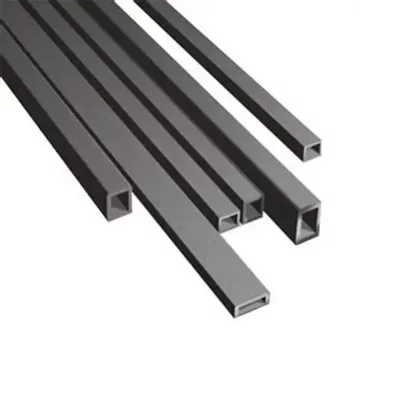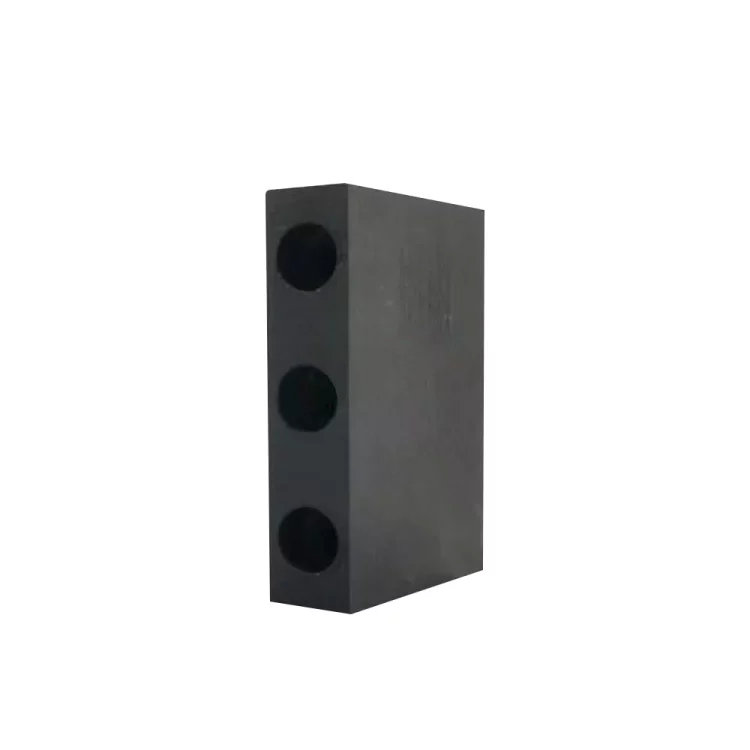
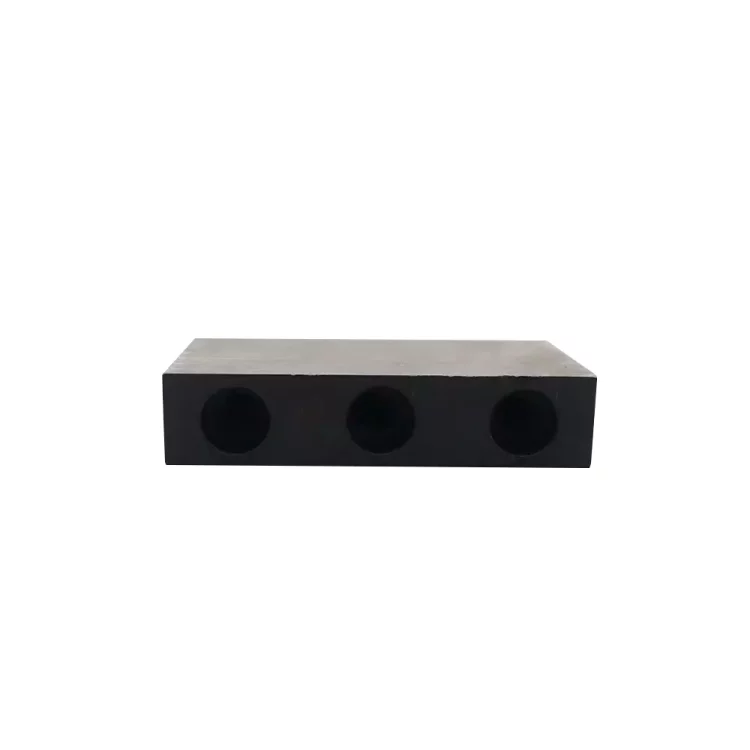
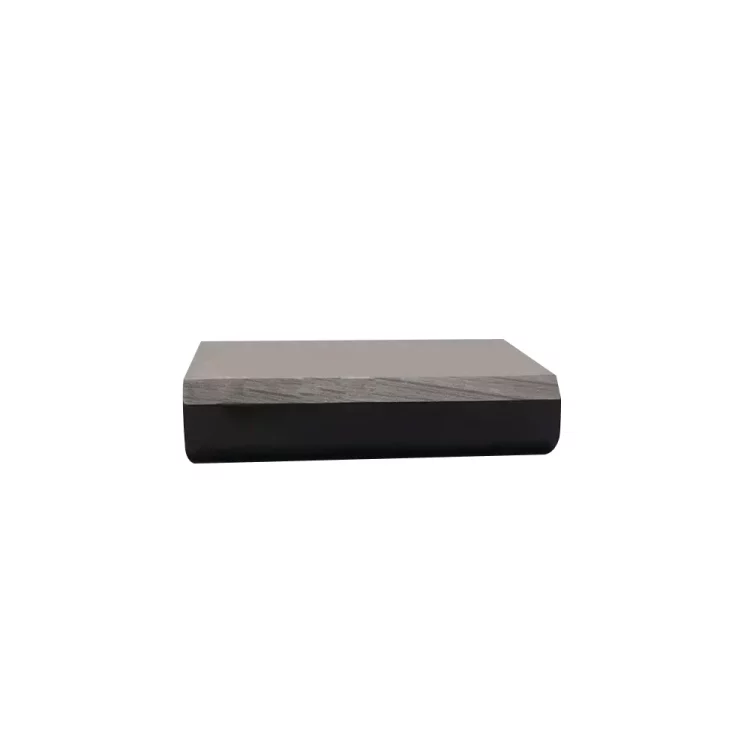
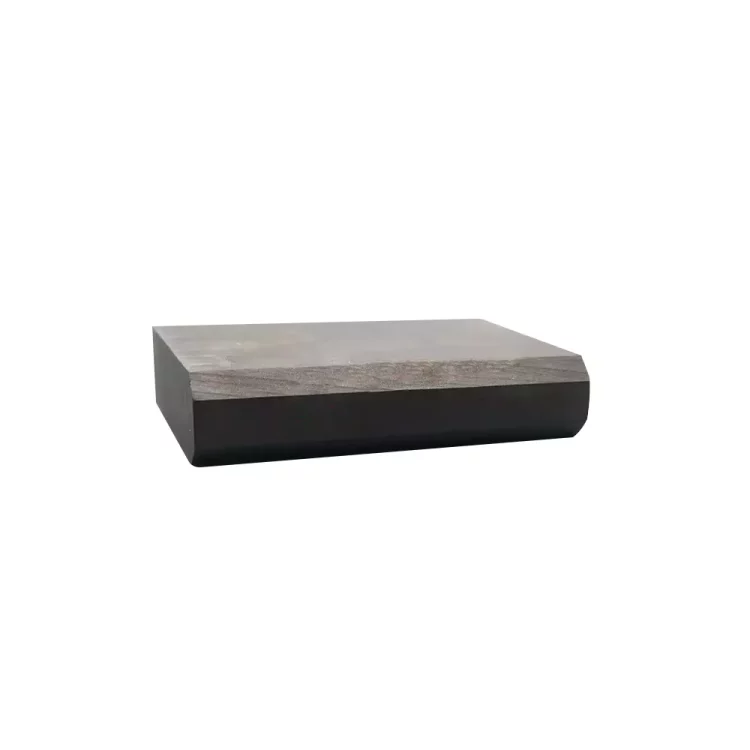
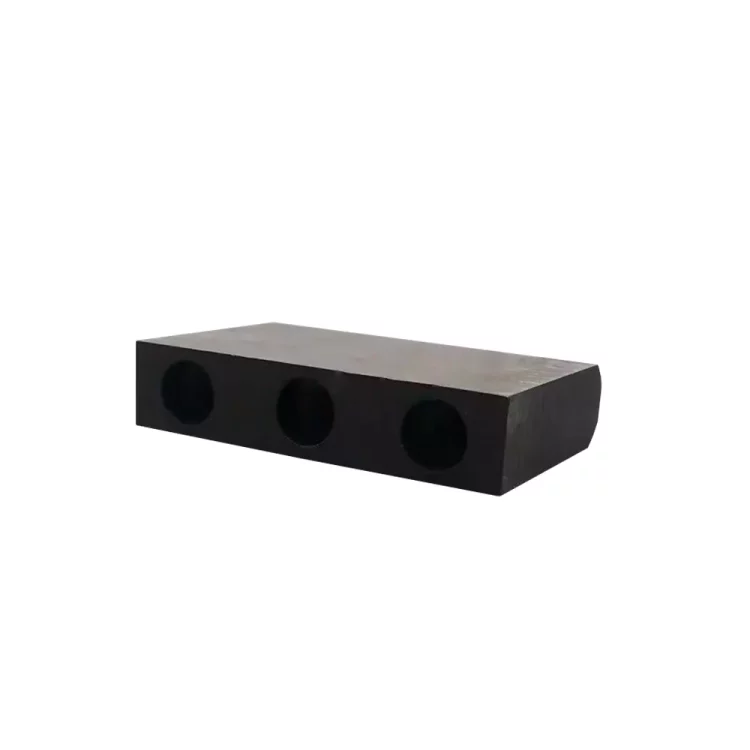

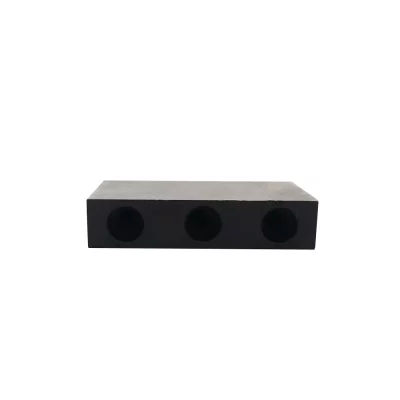
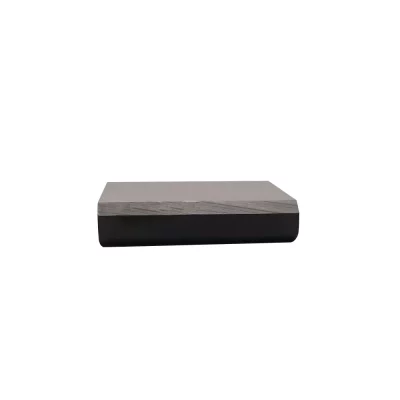
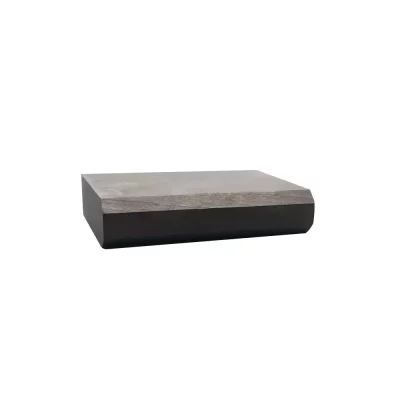
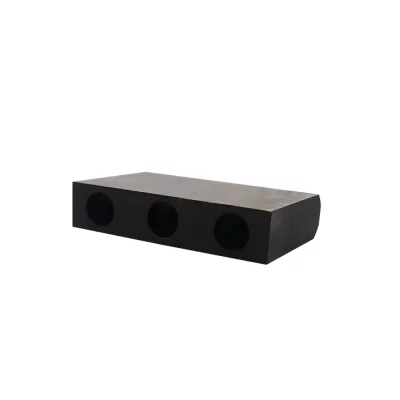
Silicon carbide (SiC) is an important inorganic non-metallic material composed of silicon and carbon atoms. It possesses excellent mechanical properties, superior oxidation resistance, high wear resistance, and a low coefficient of friction.
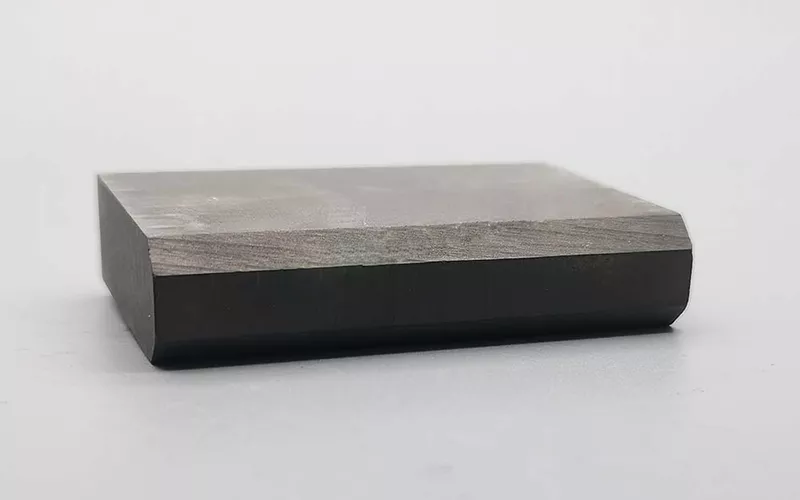
The most significant characteristic of silicon carbide is its high-temperature strength. While the strength of ordinary ceramic materials decreases significantly at 1200–1400 degrees Celsius, silicon carbide maintains a high flexural strength of 500–600 MPa at 1400 degrees Celsius, allowing it to operate at temperatures up to 1600–1700 degrees Celsius.
Silicon carbide has a very high thermal conductivity, making GORGEOUS CERAMICS (GGS) silicon carbide products suitable for applications such as electronic components, heating elements, high-temperature bearings, bulletproof plates, and nozzles.
Basic Parameters of Silicon Carbide Blocks
|
Property |
Unit |
Silicon carbide |
|
Density |
gm/cc |
3.14 |
|
Color |
|
Black |
|
Vickers hardness |
Gpa |
24 |
|
Compressive strength |
Mpa |
3500 |
|
Thermal conductivity |
W/m·K |
150 |
|
Coefficient of thermal expansion |
10-6/℃ |
4.4 |
|
Thermal shock resistance (20°C) |
ΔT(C) |
300 |
|
Specific heat |
J/(kg·K) |
800 |
|
Maximum operating temperature |
℃ |
1600 |
Applications of Silicon Carbide Ceramic Blocks
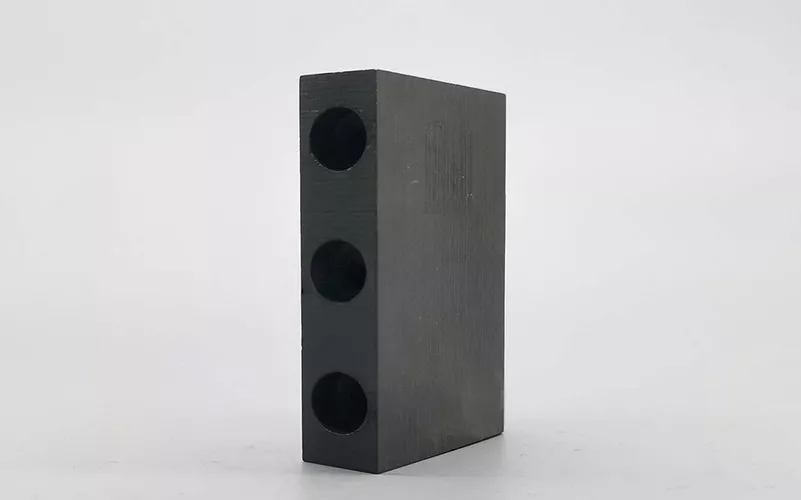
Industrial Wear-Resistant Liners/Pads
Used in mining, cement, metallurgy, and other industrial wear-resistant linings.
Mechanical Structural Ceramic Blocks
Used as equipment support blocks, positioning blocks, and thermal insulation components.
High-Temperature Application Structural Components
Furnace bottom support blocks, furnace bottom pads, and other high-temperature structural components.
Chemical Corrosion-Resistant Liners
Used in environments with strong acids and alkalis, such as reaction vessels.
Semiconductor Equipment Structural Ceramic
Used as support blocks for wafer processing equipment, high-temperature industrial load-bearing blocks, etc.