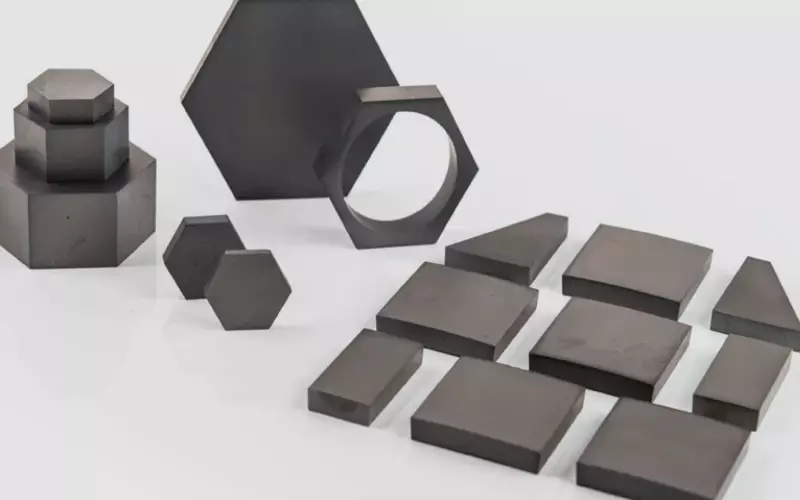
Your silicon carbide bulletproof plate offers exceptional hardness, low density, and great shock resistance. In your defense equipment manufacturing, SiC translates to superior, lightweight bulletproof plates.
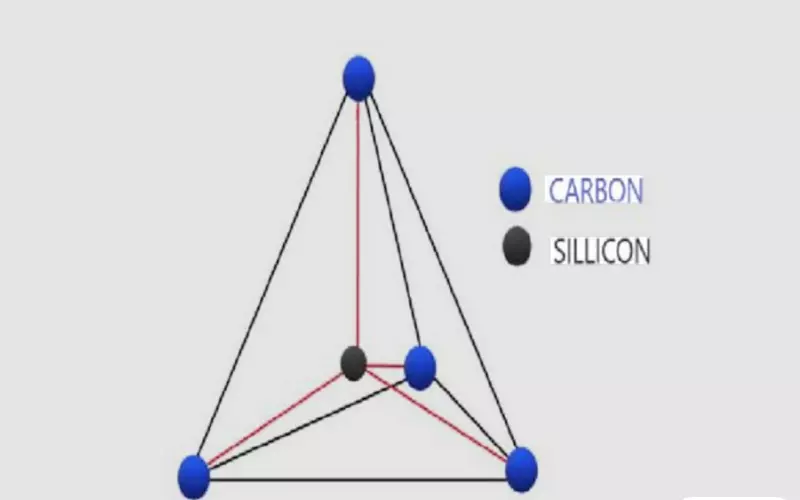
How the Silicon Carbide Structure Affects Your Plate’s Performance
- How the Silicon Carbide Structure Affects Your Plate’s Performance
-
Your defense equipment manufacturing industry controls SiC’s grain size and porosity. Grain size control ensures a balance of high hardness and fracture toughness (resistance to shattering). SiC’s porosity of ≤0.05 Vol% ensures minimal voids, reducing cracking risk under impact.
-
Your silicon carbide structure offers a wide band gap of 3.26 eV. Combined with its elastic modulus of 415±12 GPa, deformation risks reduce. This translates into more reliable bulletproof plates as structural integrity is maintained longer.
What Are Bulletproof Plates Made Of?
-
Your bulletproof plates are made from ceramic, steel, or polythene. The material’s weight impacts the police/ military fatigue and the agility of defense vehicles.
-
Your SiC, B4C, and Al2O3 offer lower density than steel and polythene. Thus, ceramic plates are preferred for your rifle protection. SiC stands out due to its combination of hardness, strength, and stability.
Silicon Carbide Bulletproof Plate Properties
The silicon carbide physical properties and chemical characteristics deliver superior performance, safe, and reliable light armor systems.
What Is the Silicon Carbide Weight?
-
Your silicon carbide has a molar mass of 40.10 g/mol. Its density of 3.15 to 3.2 g/cm3 is lower than Alumina’s 3.6-3.95 g/cm3.
-
Due to SiC’s 50-60% weight reduction compared to steel, your industry achieves lighter armor plates. This increases the mobility of armor operators, cutting the fatigue caused by steel armor.
How Hard Is SiC?
-
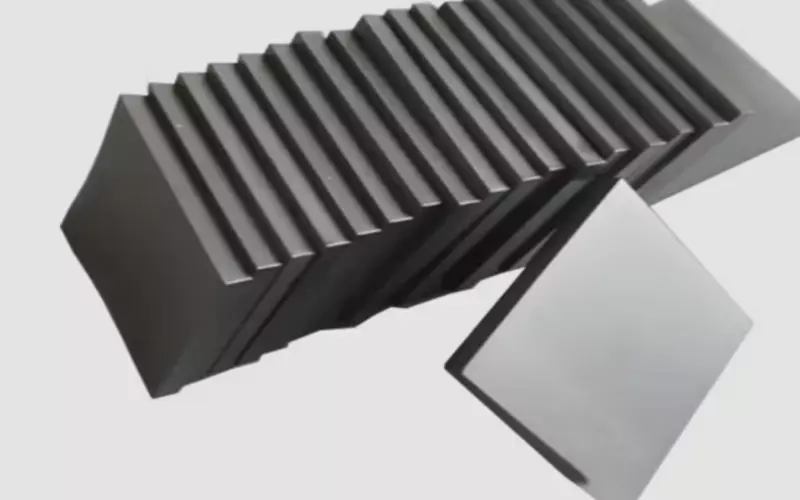
Your SiC offers a 9-9.5 hardness on the Mohs scale and a vickers hardness of 2500 kg/mm2.
-
Together with its 50-60% lighter weight, SiC’s extreme hardness shatters high-velocity projectiles under impact with reduced user fatigue.
What’s the Fracture Toughness of Silicon Carbide Bulletproof Plates?
-
Your silicon carbide body armor high-grade offers a fracture toughness of 5–5.5 mpa.m1/2. Your SiC plates resists brittle fracture better than boron carbide and alumina.
-
Note: Increasing your SiC’s toughness reduces hardness. Your process must balance for maximum armor effectiveness.
Silicon Carbide Body Armor Thermal Stability
-
Due to exceptional thermal stability, your silicon carbide bulletproof plate withstands 1750 °C.
-
Combined with its high thermal conductivity, your SiC armor equipment maintains structural integrity and dissipates heat efficiently in ballistic impact.
What’s the Chemical Stability of SiC?
-
Due to silicon carbide’s exceptional chemical stability, your light armor system’s reliabile increases.
-
SiC is inert to most chemicals, thus does not react with contaminants in your armor. This produces more durable personal protection and defense equipment.
Is the Silicon Carbide Structure Design Flexible?
-
Your silicon carbide (SiC) is highly flexible, allowing for smaller tiles. This improves comfort and ergonomics.
-
The use of smaller, segmented plates increases flexibility by up to 40%. Your armor thus conforms to body movement without compromising protection.
How Strong Is Your Amorphous Silicon Carbide Plate?
-
Your amorphous silicon carbide plate offers a high flexural strength of 400-730 MPa. Add its >2000 MPa compressive strength, and your industry has plates that withstand high impacts.
Silicon Carbide (SiC) Multihit Capabilities
-
Your silicon carbide bulletproof plate has superior multi-hit performance to Al2O3 and B4C. In your NIJ Level III, RF1, and IV armor, amorphous silicon carbide plates offer reliable protection against multiple, close-range hits
“After switching to silicon carbide armor, weight reduced by up to 50% and resistance to armor-piercing rounds increased.” — Wayne H., R & D Engineer, Wuxitech Armor
SiC Vs Other Armor Plate Materials
-
Your silicon carbide balances density, hardness, and fracture toughness better than most ceramic alternatives. Steel armor plates protect through ductility, but their sheer weight burdens bulletproof equipment users.
|
Property |
Silicon Carbide (SiC) |
|||
|
Density (g/cm³) |
3.1–3.2 |
3.6–3.95 |
2.45–2.52 |
7.8 |
|
Hardness (GPa) |
20–25 |
12–18 |
29–35 |
4-8 |
|
Compressive Strength (MPa) |
2000-2500+ |
2000 |
2500 |
1000 |
|
Operating temperature (°C) |
1750 |
1700 |
2000 |
600 |
|
Chemical Stability |
Excellent |
Good |
Excellent |
Prone to corrosion |
|
Fracture Toughness (MPa·m½) |
5.0–5.5 |
3.0–4.5 |
2.0–4.7 |
High ductility |
|
Elastic Modulus (GPa) |
400–415 |
300 |
450 |
200 |
|
Multi-hit performance |
High |
Moderate |
Moderate |
High |
|
Safety |
Non-toxic, stable |
Stable |
Brittle fragmentation |
Heavy spall risk |
|
Cost |
Mid |
Low |
High |
Low |
Table: Comparison of the properties of SiC vs Al2O3 vs B4C vs steel
Data source: IEEE Trans. Compon. Packag. Manuf. Technol., vol. 12, no. 2, pp. 21004–21012, Feb. 2025
Silicon Carbide Plate Price
-
Purity, sintering, geometry, and ballistic rating determine your silicon carbide plate price.
-
Your reaction-bonded SiC costs lower, but its peak hardness is reduced. Your pressureless sintered SiC costs more, but it delivers better density uniformity.
-
NIJ Level III bulletproof plates are cheaper than Level IV protection. However, Level IV plates stop armor-piercing rounds most efficiently.
“We switched to sintered SiC and cracked plates reduced after repeated impacts.” — Procurement Manager, Eurodefense Integrators
Silicon Carbide Bulletproof Plate Applications
Body Armor & Personal Protection
-
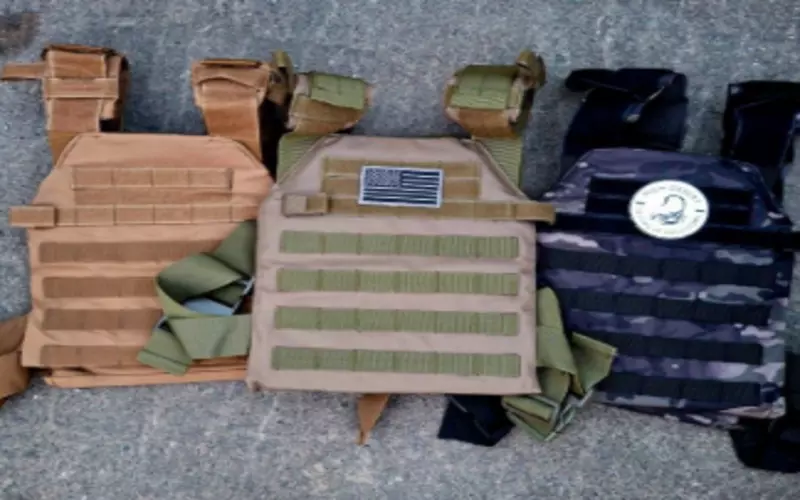
Due to SiC’s near-diamond hardness, projectile shattering is enabled on impact.Your NIJ Level III and IV silicon carbide bulletproof plates protect against high-velocity rifle rounds. Since SiC is 18% lighter than Alumina, mobility increases.
In Your Vehicle Armor
-
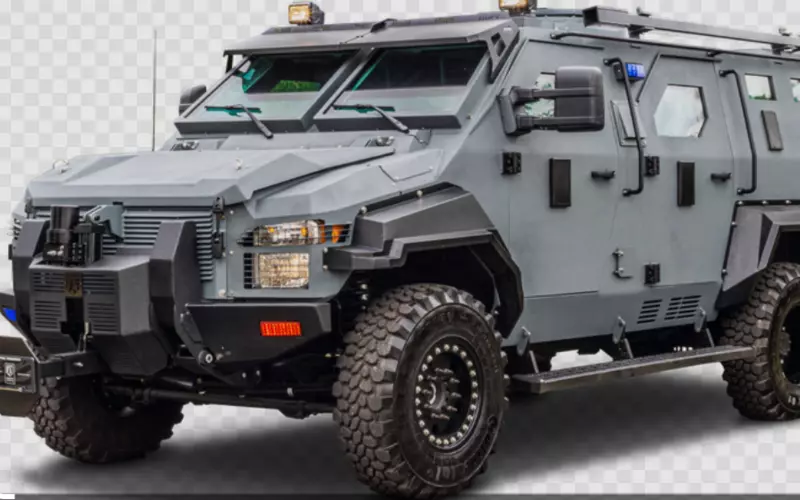
Due to hardness >2000-2500 HV, projectile erosion increases. This reduces penetration depth. Combined with chemical stability, your vehicle armor degradation reduces by 90% in maritime conditions.
For Aircraft Protection
-
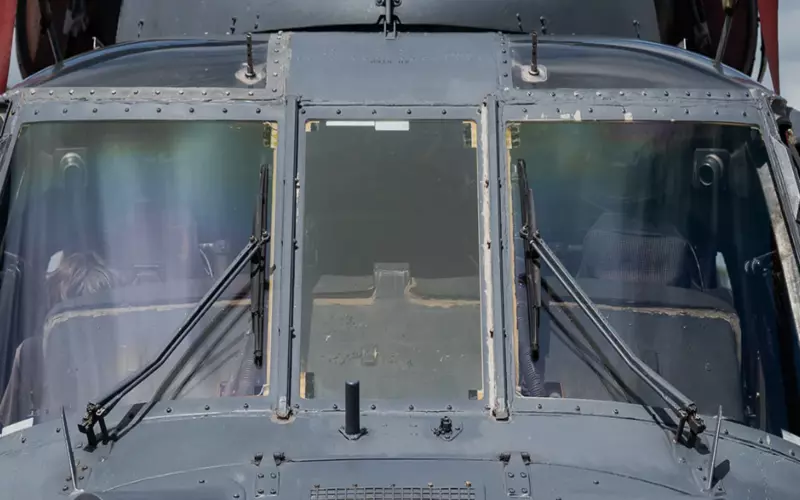
Your aircraft demands minimal weight plus maximum resilience. Your silicon carbide bulletproof plate provides ballistic resistance. With thermal conductivity 120-490 W/m·K, heat from high-speed impact is dissipated efficiently.
For Your Tactical Equipment
-
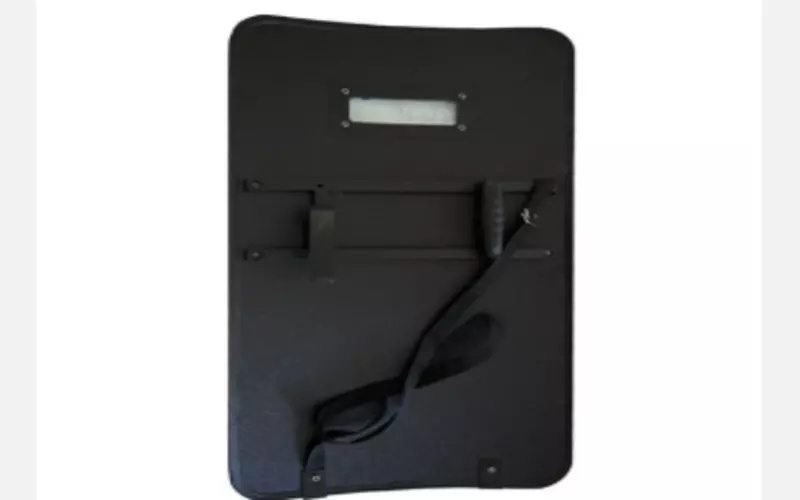
Smaller silicon carbide ceramic tiles improve flexibility and ergonomic handling in your portable shields and protective barriers. Due to its multi-hit capabilities, your silicon carbide body armor protects against clustered impact.
Selection Criteria Of Your SiC Bulletproof Plates
What To Check
-
Your SiC plates should be tested to NIJ Level III/ Level IV. This assures they are capable of stopping high-velocity rifle rounds.
-
Your material density should be 3.1-3.2 g/cm³, and Vickers hardness >=2600 HV.
-
Since SiC is brittle in >1750°C conditions, check for anti-wear, waterproof coatings to maximize the ceramic’s protection.
Where to Buy Silicon Carbide Body Armor Plates
-
Buy your silicon carbide bulletproof plates from manufacturers who offer NIJ 0101.06 certified, lightweight plates. Most China tactical silicon carbide bulletproof plate suppliers offer batch testing records and >99% purity SiC.
Select GORGEOUS CERAMIC( GGSCERAMIC) for ISO-certified silicon carbide armor plates that guarantee quality control and 5-10 years service life.
FAQs
Q: What are bulletproof plates made of?
A: Your bulletproof plates are made of ceramic, steel, or polyethylene. SiC ceramic stands out over alumina and boron carbide ceramic options due to performance and reliability balance.
Q: What are the characteristics of SiC bulletproof plates?
A: Your silicon carbide bulletproof plate offers high hardness, low density, and excellent thermal stability.
Q: Why should you purchase lightweight silicon carbide body armor?
A: Your SiC body armor reduces system weight and maintain rifle-rated protection. By improving comfort, operator endurance is enhanced during extended missions.
Conclusion
Silicon carbide is preferred in your light armor systems due to its superior hardness, chemical and thermal stability, and low density. Your silicon carbide bulletproof plates are lightweight and have superior multi-hit performance. Thus, the reliability and comfort of your defense and personal protection equipment increase.