You’ll need something more reliable when metals fail under intense heat and corrosion. Silicon carbide heat exchangers have proven to be ideal, even under extreme temperatures. Read on to see how.
What are Silicon Carbide Heating Elements?
Silicon carbide heating elements are special heating devices made from silicon carbide material. They convert electrical energy into heat through electrical resistance. Simply put, they produce and transfer heat by resisting electrical current when voltage is applied.
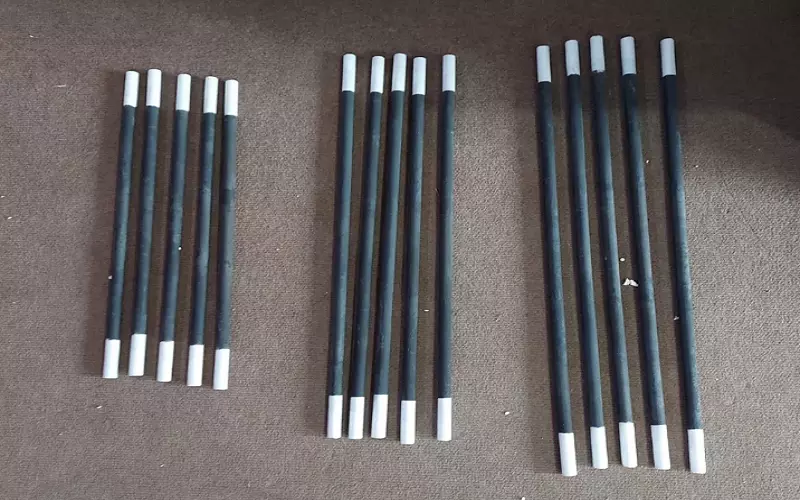
It’s one of the best devices you can use in high-temperature Engineering Process Companies (EPCs). This is because they can still function well even at a maximum operating temperature of 1,600°C. They are very stable, reliable, strong, and durable for high-temperature heating. Some of their main technical specifications are:
-
Electrical resistivity: 0.02 - 0.2 Ω·cm
-
Power rating: 1 - 50 kW per element
-
Operating temperature: 600°C to 1,600°C
-
Element type: Rod, U-shaped, or spiral
-
Voltage range: 50 - 480 V
The fun fact is, these Sic heating elements are very compatible with virtually anything: inert gas, air, mildly reducing environments, etc.
What is a Silicon Carbide Block Heat Exchanger?
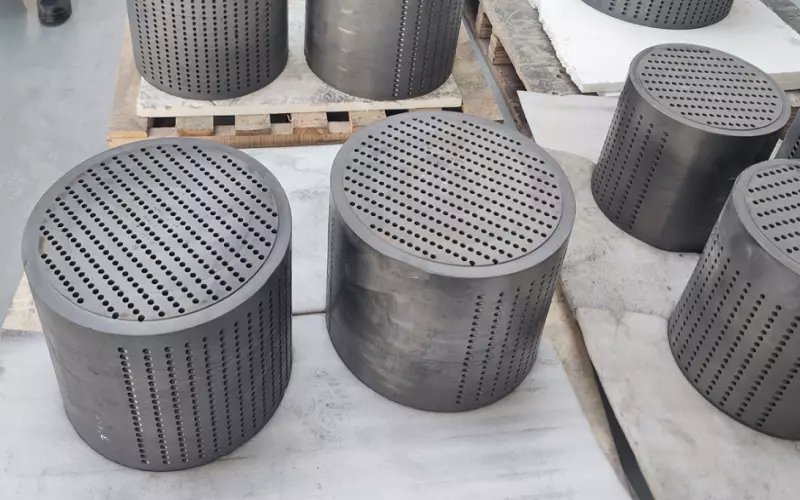
A silicon carbide block heat exchanger is a ceramic device made specifically for heat transfer. They’re produced from pressure less sintered silicon carbide (bonded silicon carbide blocks) and silicon carbide heating elements. They’re used to transfer heat between a working fluid and a source. Therefore, hot and cold fluids flow separately from the well-structured internal channels of these blocks. This design indicates a direct heat transfer through the solid ceramic walls.
SiC block heat exchangers can be of help in processes involving high temperatures and highly corrosive media. What really makes them so special to engineers is the fact that they don’t need coatings, unlike metal exchangers. This is because the material itself already has a high level of thermal stability and chemical resistance.
A sic heat exchanger will also save you the stress of unreliable alloys and stainless steel. Simply because, even without protective coatings, they are still chemically inactive. These silicon carbide blocks have properties that make for consistent flow distribution and precision. Their flexibility means no worries about cracks, pressure drops, leak paths, or hazards.
Since there is an improved temperature control, heat tends to move quickly across the surface of the block exchanger. This means that your device maximizes the surface area and even shortens flow paths. The importance of Sic heat block exchangers cannot be overemphasized. It’s one of the core media that’s not easily corrosive/contaminated by chemicals.
If you use metal surfaces, you’ll always have to resist attacks from either acids, oxidizing environments, or alkalis. Degradation can even occur following frequent usage due to rapid temperature changes. With Sic block heating elements, you don’t have to worry about them. This, in turn, eliminates unnecessary breakdown and reduces the maintenance cycles.
Let’s quickly see some of the key properties of these Sic heat exchangers:
-
Thermal conductivity: 120 - 200 W/m·K
-
Maximum operating temperature: 1,600°C
-
Compressive strength: 2,500 - 3,900 MPa
-
Flexural strength: 300 - 450 MPa
-
Density: 3.05 - 3.20 g/cm³.
-
Hardness: 9.0 - 9.5 Mohs
-
Electrical resistivity: 0.02 - 0.2 Ω·cm
-
Coefficient of thermal expansion: 4.0 × 10⁻⁶ /K
-
Pressure resistance: up to 25 bar
-
Chemical corrosion resistance: Excellent.
Applications of Silicon Carbide Heat Exchangers in Corrosive Reaction Systems
Now, silicon carbide block heat exchangers can be applied in so many areas. Some of the areas you can look at applying them are:
Acid Recovery Systems
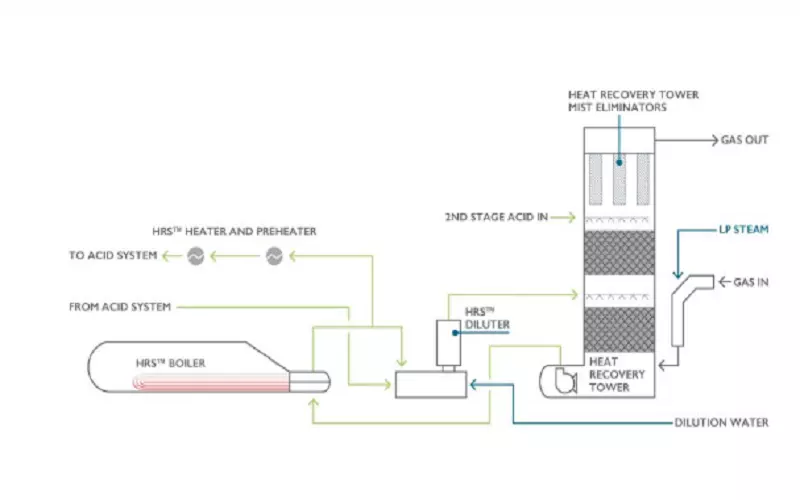
You can easily use silicon carbide heat exchangers in sulfuric acid recovery systems. This is due to their ability to withstand harsh acid strength even at high temperatures.
Hydrochloric Acid Synthesis and Absorption Units
Engineers and most technicians prefer silicon carbide heating elements to metal heat exchangers when it comes to halogenation reactions. Why - these operations involve chemical conditions that can alter chemical stability and structure, and SiC heat exchangers are able to resist them effectively.
Waste Acid Recovery and Regeneration Plants
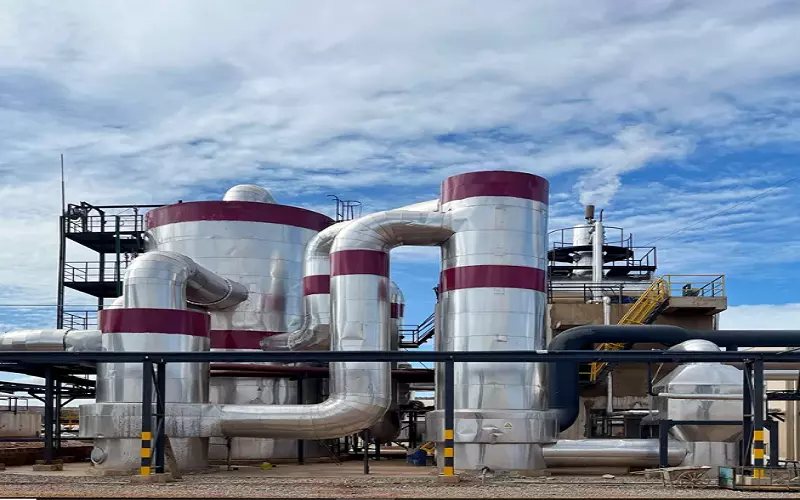
Waste acid recovery systems are composed of a lot of highly corrosive media. These can only be handled efficiently by silicon carbide heat exchangers that support consistent energy recovery stages.
Benefits of Silicon carbide Block heat Exchangers
These are some of the benefits you will enjoy while using these Sic block heat exchangers:
-
Excellent corrosion resistance against oxidizing agents, acids, and bases.
-
Well-balanced and efficient heat transfer due to the adjustable cross sections on both sides.
-
It’s very easy to assemble and disassemble.
-
You don’t have to stress about cleaning because it can mechanically clean each block by itself.
-
There’s no risk of erosion because of its hardness (the second hardest material on earth).
-
High operational safety
-
Modular and compact design
-
Short lead time
-
You’ll enjoy longer service years, especially if you maintain them well.
Comparing Ceramic Blocks with Other Heat Exchangers
Today, it’s a normal phenomenon for chemical engineers to compare different heat exchangers available in modern heating systems - systems like block heat exchangers, sic heat exchangers, metal heat exchangers, graphite shell and tube exchangers. This is possible because each of these types have their advantages and disadvantages, depending on your usage. So, understanding and comparing their differences will help you make the right choices.
Metal Heat Exchangers
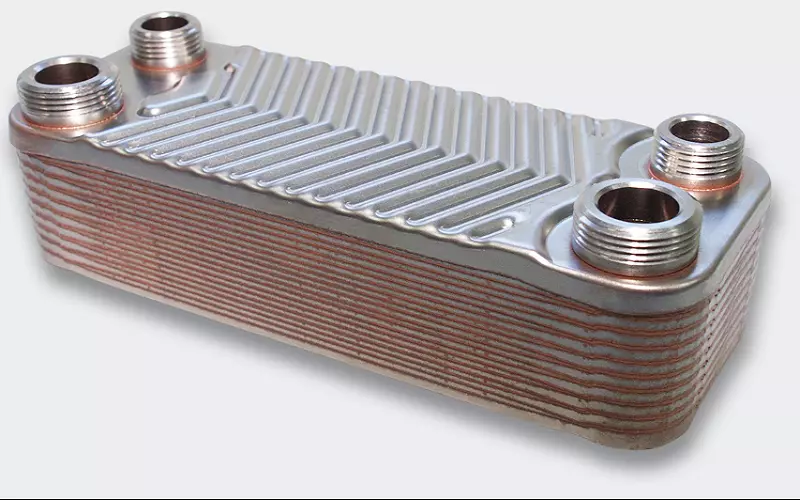
These types give the normal heat exchange, but with very limited resistance. They’re the most common, but they tend to rust/wear out fast in harsh environments. This means you’ll spend more money to replace or maintain them.
Graphite Shell and Tube Heat Exchanger
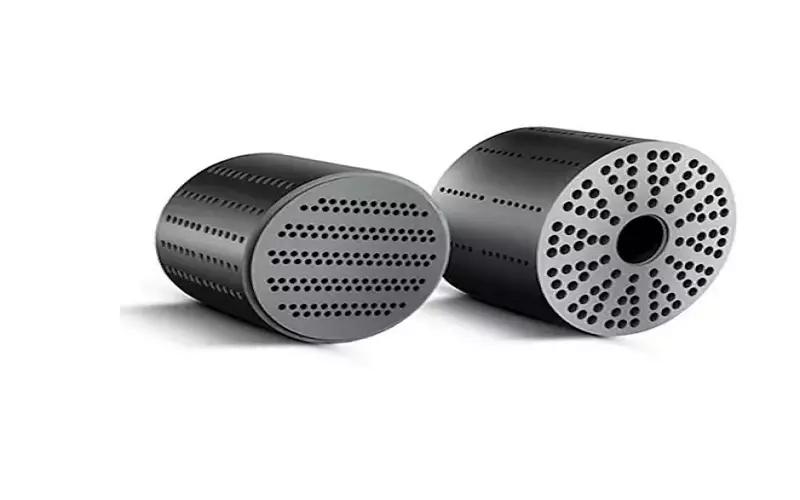
These ones are a bit one-sided because they tend to only perform well in specific settings. If you’re thinking of using them, bear in mind that their pressure ratings are often lower. Despite their limitations, they can still work well in high temperatures.
Silicon Carbide Block Heat Exchangers
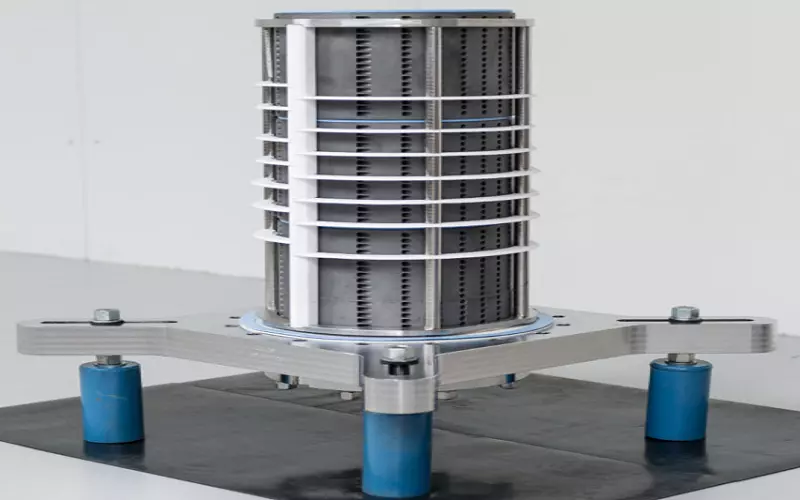
You can call them the master ceramic blocks. Their components are pressureless sintered silicon carbide and silicon carbide heating elements. These elements comfortably withstand corrosion and pressure. In fact, their build offers you a higher level of structural strength, stability, durability, and efficiency.
This is unique and will come in handy in very extreme conditions that demand precision and high temperatures.
So, if you’re looking to purchase these Sic block heat exchangers from top manufacturers, look out for these important things:
-
Bonding methods
-
The material quality
-
Thermal conductivity
-
Customization capacity
-
Block dimensions
-
Channel design
-
Clear specifications
-
Lead time
-
Pressure ratings
-
Life cycle
You must also understand that every manufacturer has their own technique, especially for silicon carbide bonding. This can, in turn, determine the strength and corrosion resistance of the heat exchanger you’re buying.
So, here are a few top global manufacturers you should purchase quality Sic block heat exchangers from:
-
Gorgeous Ceramics (GGSCERAMICS), China.
-
Saint-Gobain Crossfield, France.
-
CeramTec, Germany.
-
NTC Ceramics, Japan.
-
CoorsCeramics, USA.
-
Kyocera SGS (Kyocera Corporation), Japan.
Frequently Asked Questions
Why is silicon carbide the most suitable for corrosive environments?
It’s because they tend to resist solvents, oxidizers, and acids more effectively even under harsh conditions.
What differentiates a block heat exchanger from a graphite shell and tube heat exchanger?
A block heat exchanger uses uniform ceramic blocks in its operations. Graphite shells and tubes use multiple joints and tubes to absorb moderate pressure.
What is the role of silicon carbide bonding in modern heating systems?
They are very important for safety. A strong silicon carbide bonding protects your system from structural failure or leakages in the long-term.
Can a Sic heat exchanger handle rapid temperature changes?
Yes, they can because they’re very excellent at absorbing thermal shock.
Conclusion
Silicon carbide heat exchangers resolve challenges that metals cannot handle. Amongst the many properties they have, you’ll notice they’re still very flexible and thermally efficient. It’s safe to say that, for extreme chemical processes, ceramic solutions like Sic heating elements will offer you the best. Not just in reliability, but also in safety and long-term value. Try them now!