Active Metal Brazing Substrate(AMB)
GORGEOUS CERAMICS (GGS) is a professional manufacturer of active metal brazing substrates (AMB).
Compared to DBC, AMB offers stronger bonding, superior thermal cycling resistance, and is compatible with a wider range of materials. We provide professional solutions for various high-power electronic packaging applications.
What is AMB?
AMB (Active Metal Bonding) is a process that directly bonds metal to a ceramic substrate using active solder. It’s a further extension of the DBC (Digital-to-Ceramic) process, utilizing small amounts of active metals such as Ti and Zr in the solder to react with the ceramic, forming a reaction layer that can be wetted by liquid solder, thus achieving bonding between the ceramic and metal. AMB relies on a chemical reaction between the ceramic and the active metal solder at high temperatures to achieve bonding, resulting in stronger and more reliable connections.
Enterprise-level AMB Substrate Solutions
— Large-volume stable supply
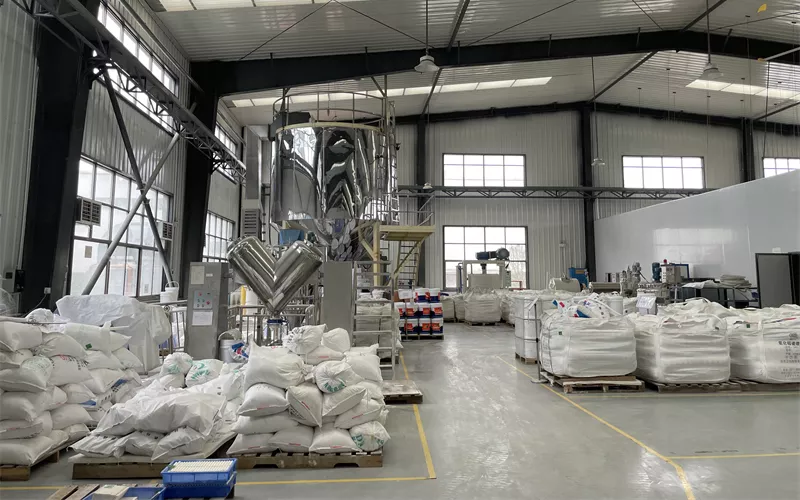
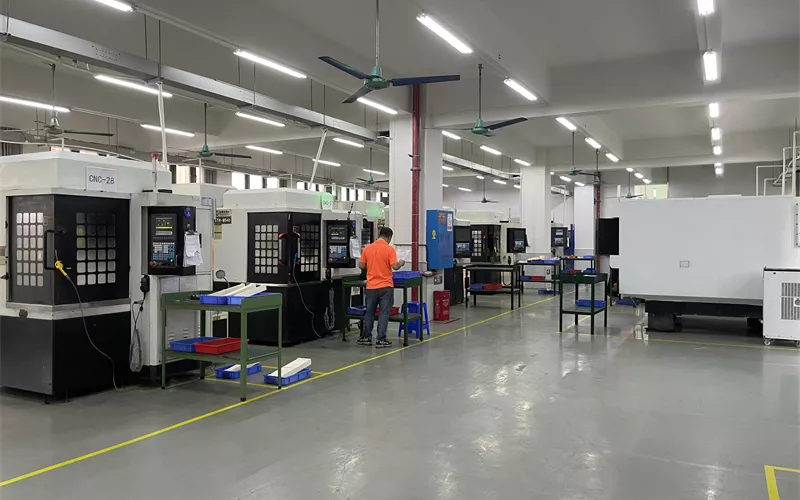
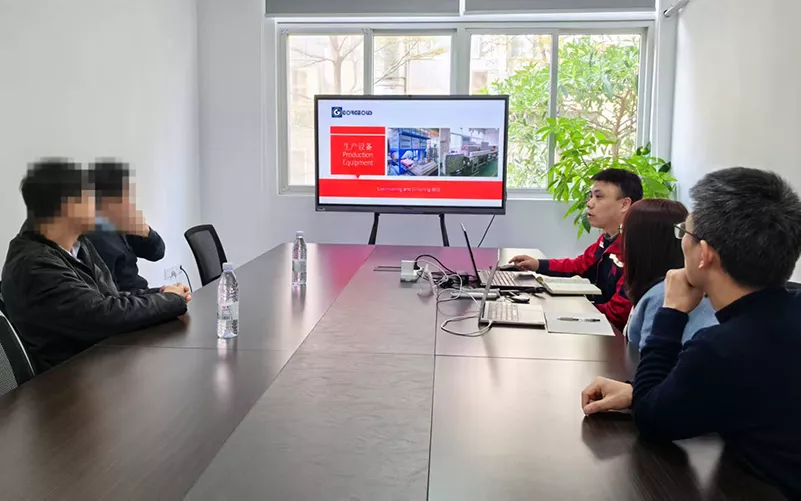
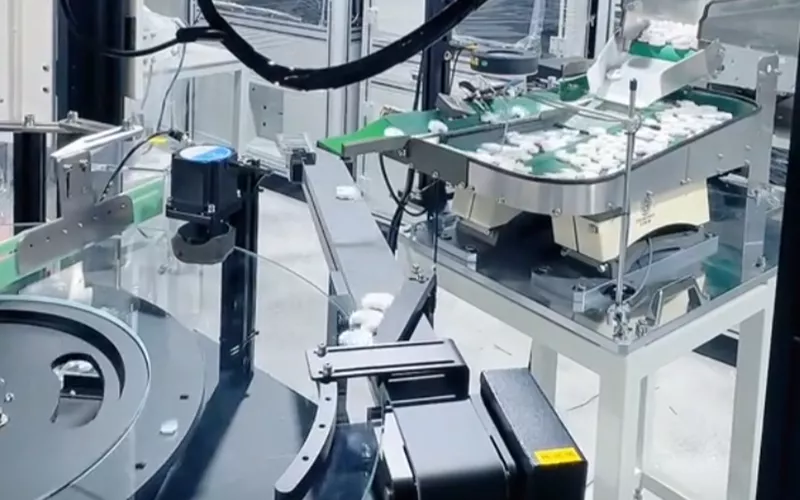
GORGEOUS CERAMICS (GGS) possesses advanced production equipment imported from Japan and the United States, including oxidation furnaces, sintering furnaces, ultrasonic systems, ultrasonic cleaning lines, exposure and development lines, etching lines, and anti-oxidation treatment lines. This equipment ensures stable output and high-precision manufacturing.
By 2025, our annual production capacity of AMB substrates will exceed 200,000 pieces, and we plan to expand this to 2 million pieces per year by 2026.
If you are looking for a reliable AMB ceramic substrate manufacturer, please feel free to contact us. We can provide you with solutions for high-volume, stable production.
Produktpräsentation
Mature, cost-effective, and professional manufacturing processes provide customers with the most specialized technical solutions.
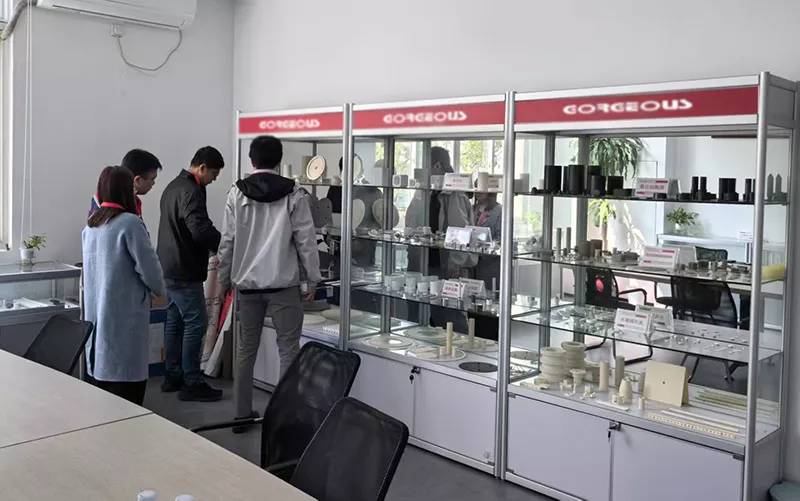
GORGEOUS CERAMICS (GGS)’s AMB solutions can be customized with a variety of ceramic materials to meet your needs: alumina (general purpose, low cost), aluminum nitride (high thermal conductivity applications), and silicon nitride (high strength, impact resistance).
Core Advantages:
High-Reliability Metallurgical Bonding: Our Active Metal Brazing technology achieves a strong metallurgical bond between copper and ceramic using solder containing active elements such as Ti under high-temperature conditions.
This results in stronger bonds and reduced delamination.
Superior Thermal Management: We optimize copper layer thickness and interface structure for bonding with various ceramic substrates, achieving superior thermal conductivity.
High-Stress Design: Effectively optimizes stress distribution at the interface, reducing the risk of failure due to thermal expansion, making it ideal for modern new energy vehicles and demanding high-power industrial modules.
Customizable: We support various copper thicknesses, complex circuit designs, and both small-batch and high-volume production.
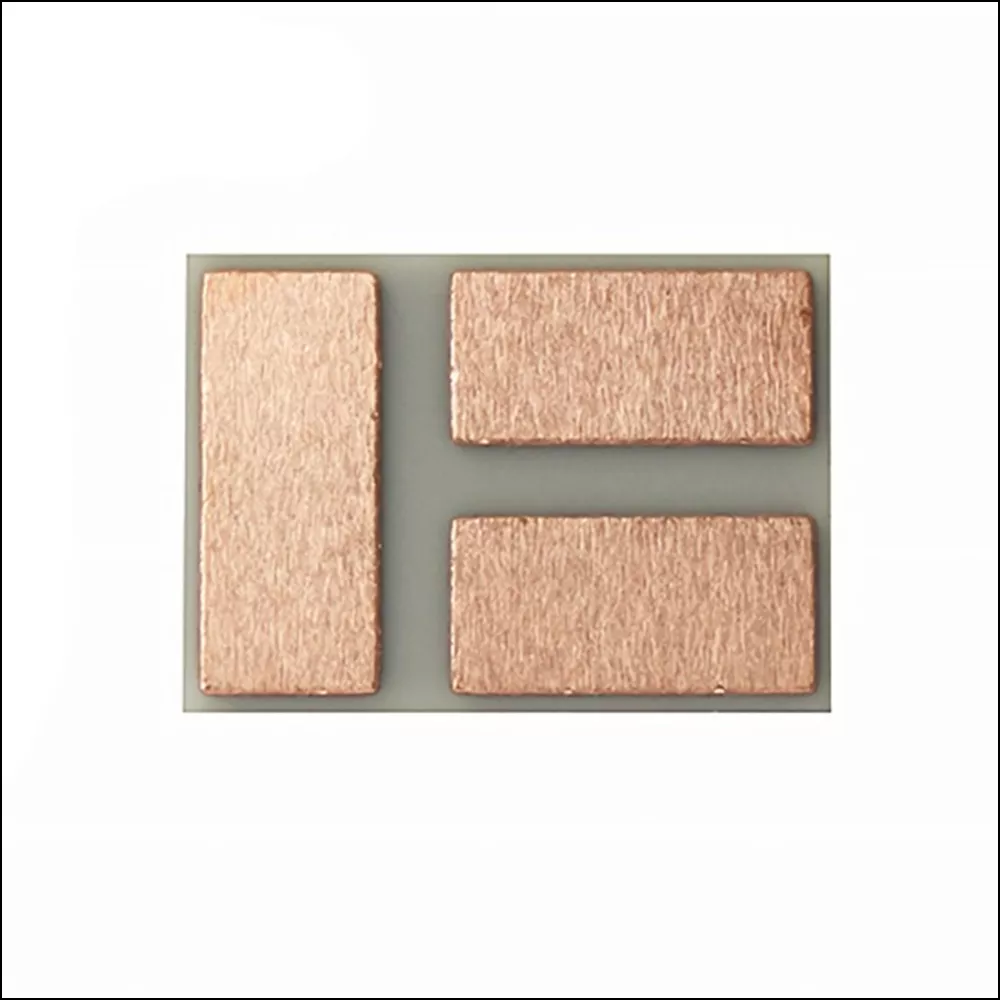
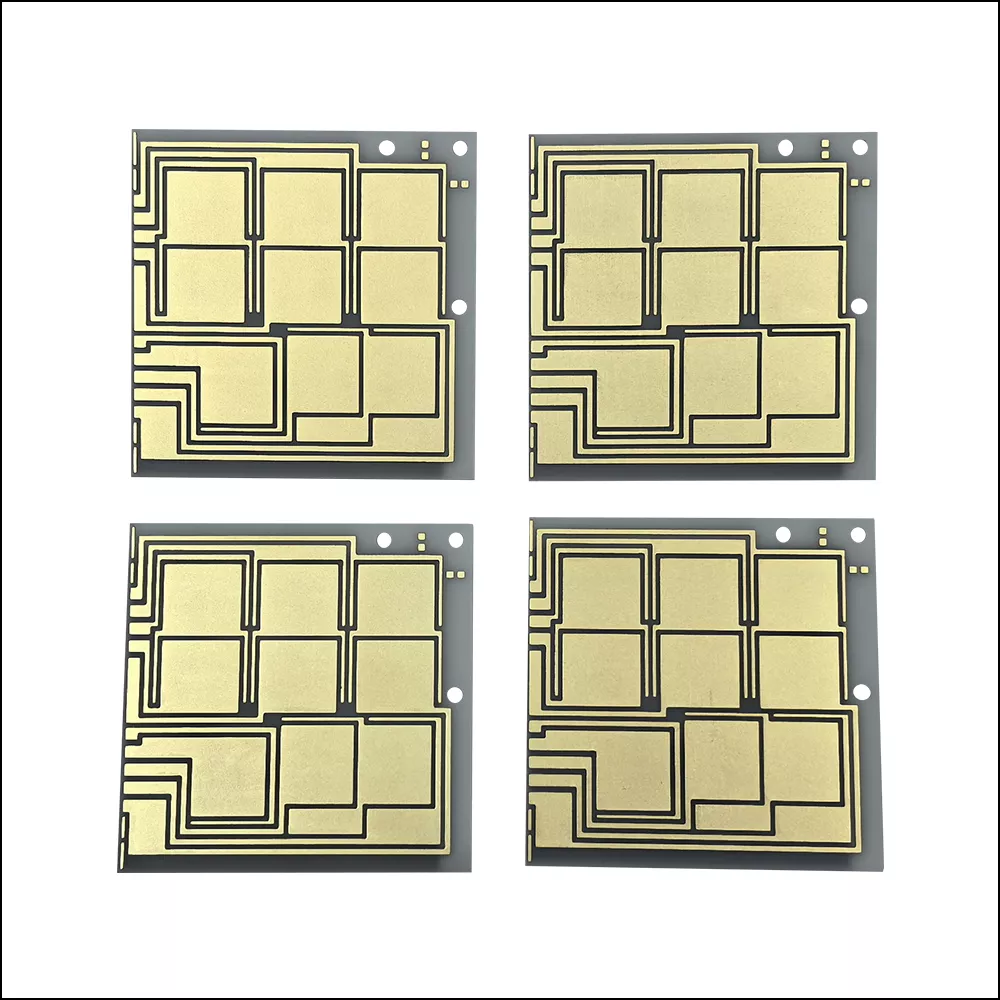
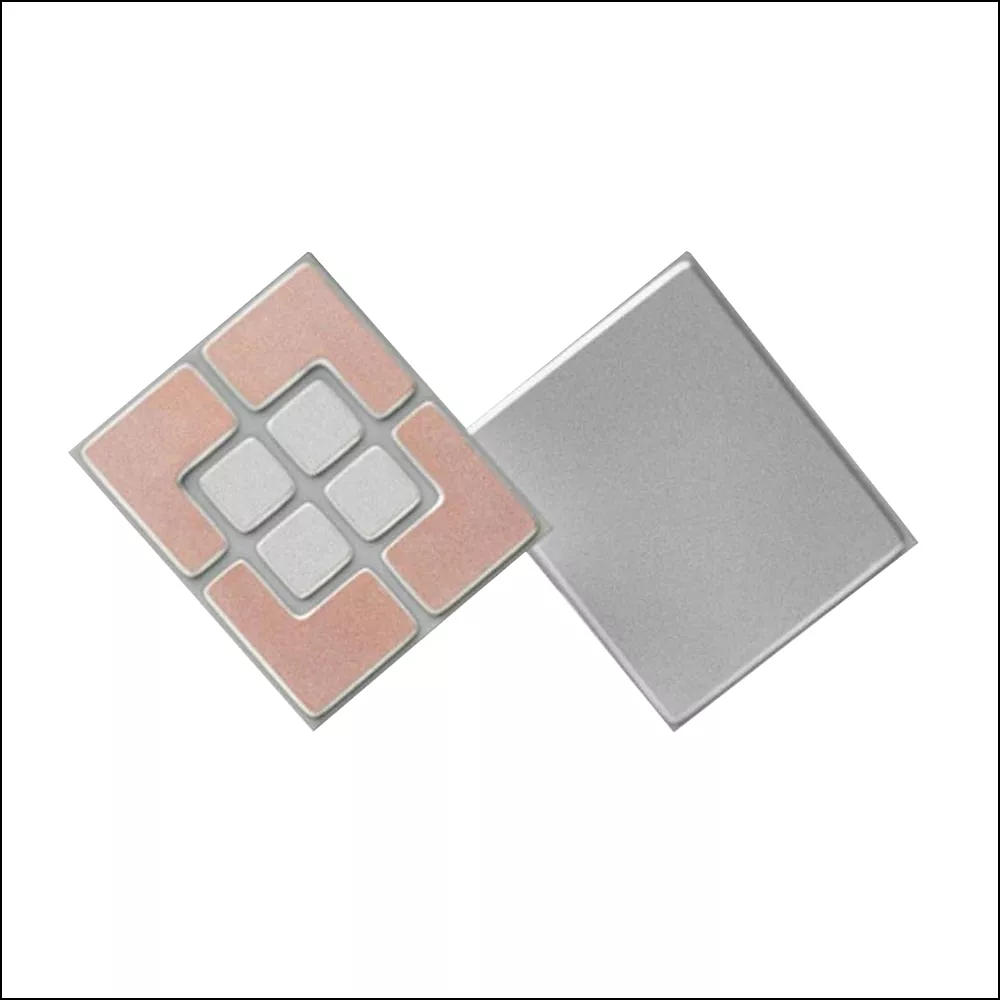
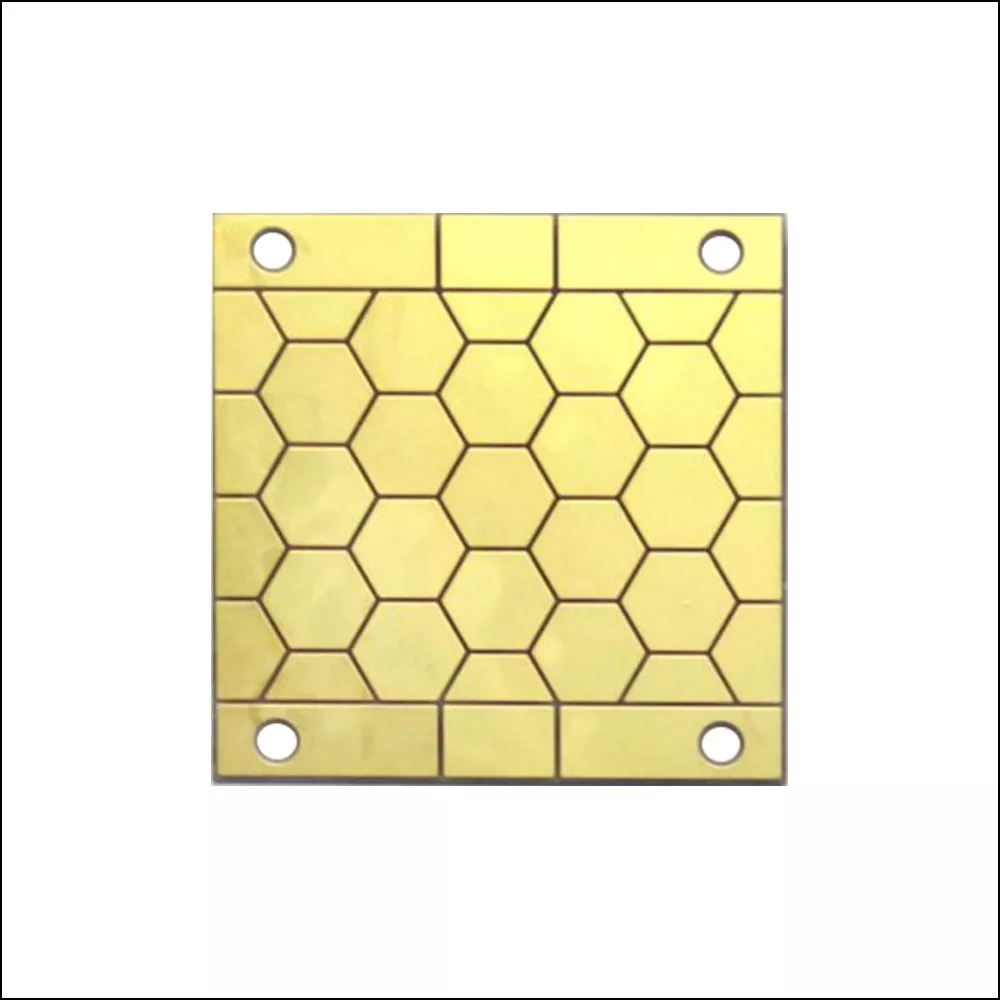
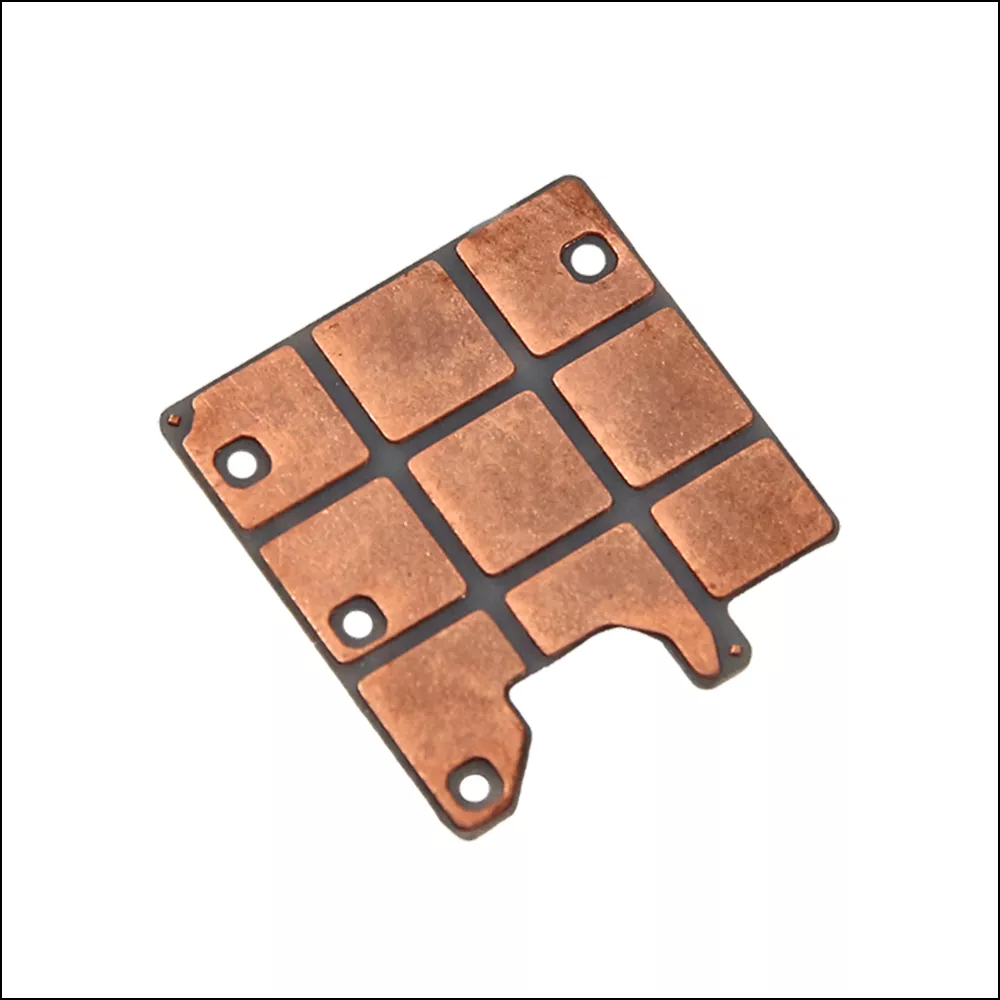
AMB Ceramic Substrate Custom Parameters
We can also customize solutions according to the specific needs of our clients, providing a one-stop AMB solution.
| Produkt | Substrate thickness | Copper foil thickness |
| Aluminum nitride ceramic substrate | 0.38mm | 0.2mm、0.25mm、0.3mm |
| 0,5 mm | 0.2mm、0.25mm、0.3mm | |
| 0,635 mm | 0.2mm、0.25mm、0.3mm, | |
| 1.0mm | 0.2mm、0.25mm、0.3mm、0.4mm | |
| Silicon nitride ceramic substrate | 0.25mm | 0.2mm、0.3mm、0.4mm |
| 0.32mm | 0.2mm、0.3mm、0.4mm、0.5mm、0.8 |
Material property parameters
| Project | Al2O3 | ZTA | ALN | Si3N4 |
| Wärmeleitfähigkeit (W/MK) | 24 | 24 | 170 | 80 |
| Volumeresistivity(Ω.cm) | ≥10 14 | ≥10 14 | ≥10 14 | ≥10 14 |
| Dielectricconstant | 9.8-10 | 9-12.5 | 7.5-9.0 | 8.3-9.6 |
| Voltage endurance(KV/mm) | ≥20 | ≥20 | >15 | >15 |
| Flexuralstrength(MPa) | ≥450 | ≥700 | 500-600 | 600-800 |
| Breaking tenacity(MPam1/2) | 3.8-4.2 | 4.5-5.0 | 3.0-3.4 | 6-7 |
| Young modulus(GPa) | 340 | 310 | 320 | 310 |
| Thermalexpansivity(ppm/K) | 7.1 | 6.8 | 4.7 | 2.6 |
| Cu Conductivity(S/m) | 57*106 | 57*106 | 57*106 | 57*106 |
| Peel strength(N/mm) | ≥4 | ≥4 | ≥9 | ≥9 |
| Temperature limit | -55℃—850℃ | -55℃—850℃ | -55℃—650℃ | -55℃—650℃ |
| Warpage (symmetric structure) | ≤3‰ | ≤3‰ | ≤3‰ | ≤3‰ |
| Rauheit (um) | Ra≤0.8 ,Rz≤4 | Ra≤0.8 ,Rz≤4 | Ra≤0.8 ,Rz≤4 | Ra≤0.8 ,Rz≤4 |
AMB Ceramic Substrate Applications

New energy vehicles
The AMB substrate is one of the core components of electric vehicle power modules, and its main applications include: IGBT/SiC power modules, motor drive inverters, OBCs (on-board chargers), and DC-DC converters.

Leistungselektronik
In high-voltage, high-current environments, AMB substrates can provide stable electrical and thermal performance, and their main applications include industrial frequency converters, smart grid equipment, high-voltage switches and rectifiers.

Erneuerbare Energien
In new energy power generation systems, AMB is mainly used for power conversion, and its main applications are: photovoltaic inverters, wind power converters, and energy storage systems.

Rail Transit
AMB can be used in high-speed rail/metro traction converters, high-power motor drive systems, industrial power modules, etc. in transportation rail systems.

Luft- und Raumfahrt
AMB can be used in power modules, radar and communication equipment, and military power systems in aerospace.
Our Certification
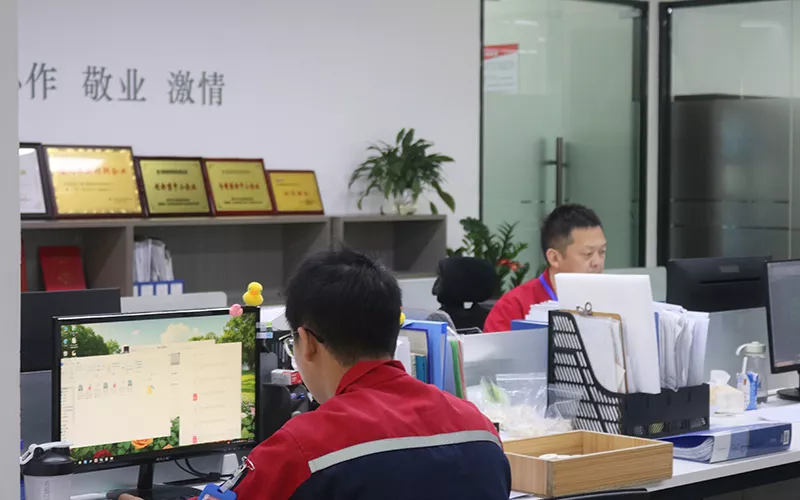
GORGEOUS CERAMICS (GGS)’s factory has passed management system certifications such as ISO9001, IATF16949, ISO14001, ISO45001, QC080000 and GB/T29490.
Why Choose GORGEOUS CERAMICS?
At GORGEOUS CERAMICS (GGS), quality control is our top priority. Every AMB ceramic substrate is manufactured strictly according to customer specifications, undergoing multiple inspections and tests from raw materials to finished products to ensure stable and reliable performance.
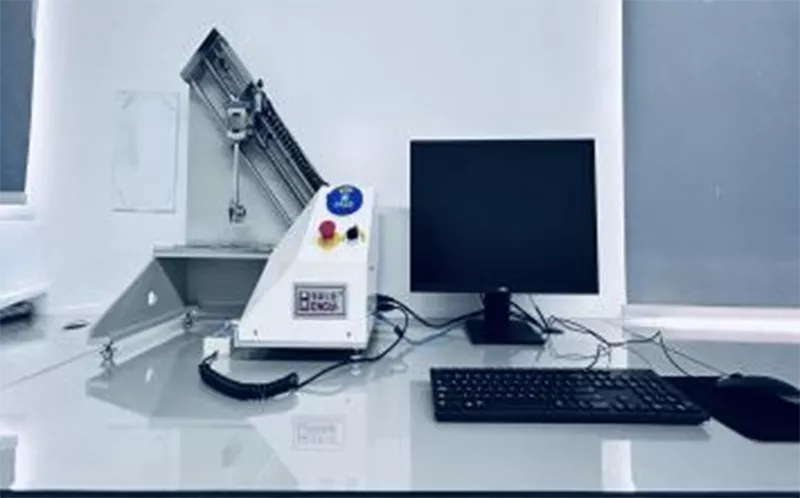
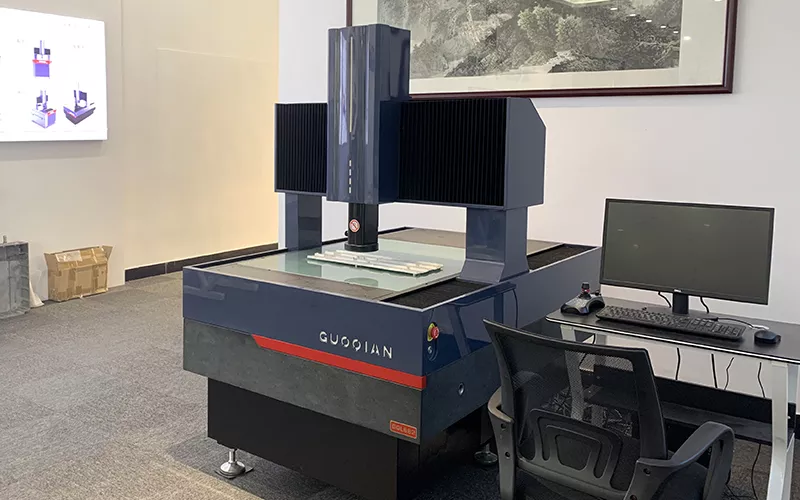
In addition to our own raw material (ceramic substrate) testing equipment, our substrate division is equipped with advanced ceramic copper-clad laminate testing equipment imported from Japan and Germany, including ultra-depth-of-field 3D microscopes, ultrasonic microscopes, thermal shock test chambers, peel strength testers, and lead-free solder baths. This enables us to meet the testing needs of most end customers.
FAQs
What are the differences between AMB and DBC ceramic substrates?
AMB and DBC differ significantly in their connection mechanisms and performance: AMB uses a brazing process, resulting in a stronger bond, while DBC uses a eutectic reaction, a more mature and cost-effective process. AMB is more suitable for high-strength ceramics such as silicon nitride (Si₃N₄).
What materials are commonly used for AMB ceramic substrates?
Commonly used ceramic materials include alumina (Al₂O₃), aluminum nitride (AlN), and silicon nitride (Si₃N₄).
In which fields are AMB ceramic substrates mainly used?
The primary applications of AMB ceramic substrates are in electronic fields that require extremely high power, such as IGBT/SiC modules for new energy vehicles.
Do you accept customization?
Yes, we accept customization. You just need to send us your requirements, and we will provide you with a professional AMB ceramic substrate solution.