Ausgewählte Branchentechnologien, Artikel, Meinungen, Erfahrungen und Lösungen

Technische Keramikinhalte mit Mehrwert für Sie!

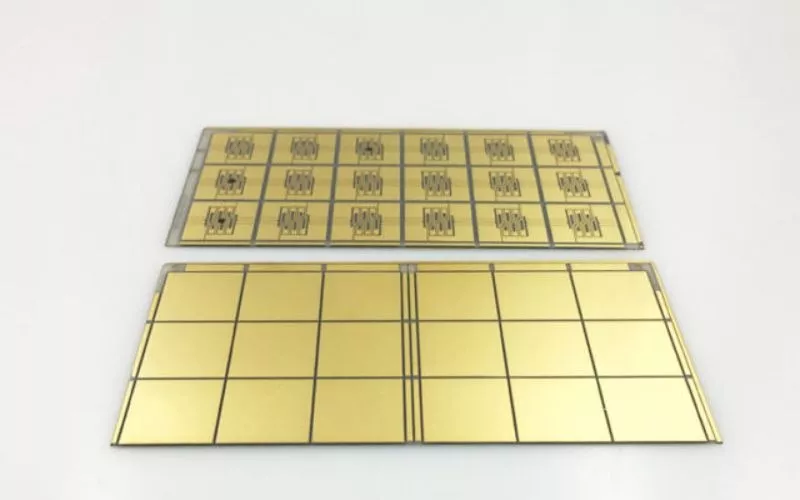
DBC-Keramiksubstrat-Einkaufsführer: So erkennen Sie Defekte vor der Bestellung

DBC-Keramiksubstrat-Einkaufsführer: So erkennen Sie Defekte vor der Bestellung

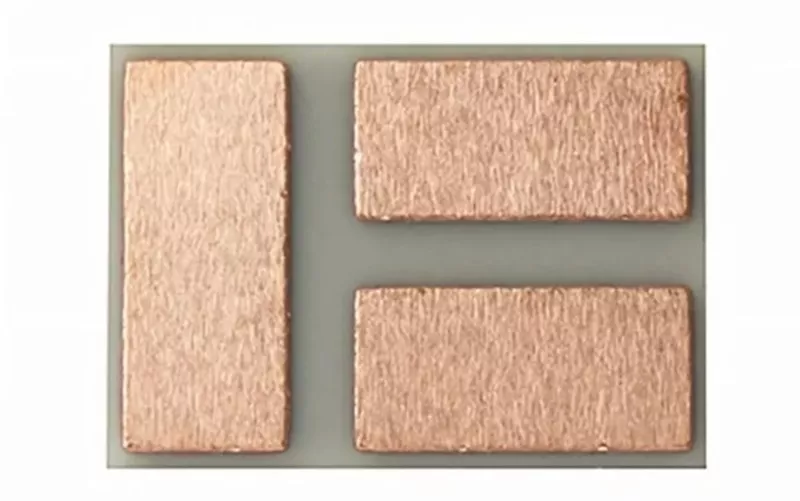
Das Bauteil, das in einem Leistungsmodul zuerst ausfällt, ist nicht das auffälligste – es ist die darunter liegende Keramikschicht. Wenn Sie DBC-Keramiksubstrate für Leistungsmodule beschaffen, können verborgene Defekte zu Feldausfällen mit erheblichen Folgekosten führen. Im Folgenden wird erläutert, was Sie zuerst prüfen sollten. Die Defekte, die tatsächlich zu Ausfällen führen Die meisten Probleme bei DBC-Substraten lassen sich auf einige wenige Wiederholungstäter zurückführen. Nachfolgend erfahren Sie, wie diese aussehen und warum sie entstehen: Hohlräume (Voids) in der Verbindungsschicht Hohlräume sind feine Bläschen, die während des Direct-Bonding-Prozesses zwischen Kupfer und Keramik eingeschlossen werden. Sie treten häufig bei Herstellern mit geringerem Qualitätsstandard auf. Bereits nach wenigen...

2026-09-14
Mehr erfahren

AMB-Substrate für Leistungsmodule: Was Sie vor dem Kauf prüfen sollten

AMB-Substrate für Leistungsmodule: Was Sie vor dem Kauf prüfen sollten

Buying AMB substrate? Choose the wrong supplier and you’re in trouble in the field. This guide has 7 checks before you order. Check: in-house bonding, certifications, capacity, quality control, material options, pricing details, and facility readiness. Do this right. Don’t make costly errors later.   What You Should Check Before You Pick a Supplier A datasheet provides you with the numbers. It will not give you an answer as to whether the supplier can maintain the same quality with batch 500 as they did with batch 1. Here are some questions to ask in its place. Does the Supplier Bond […]

2026-07-30

Mehr erfahren

Leitfaden für DBC-Substratdicken und Kupferschichten: Was Sie vor der Bestellung festlegen sollten

Leitfaden für DBC-Substratdicken und Kupferschichten: Was Sie vor der Bestellung festlegen sollten

Struggling to balance thermal dissipation with high-voltage isolation? You can’t make the difficult compromises with off-the-shelf DBCs, because the ceramic is too thick for your thermal budget or the copper is too thin for your current ratings. You need this technical framework  to define custom DBC substrates to exactly meet your power module’s electrical and thermal requirements. What Is a DBC Ceramic Substrate? A DBC substrate is different than a conventional printed circuit board as it is a combination of copper foil that is bonded to a ceramic base without any adhesives or solder between the copper and the ceramic. […]

2026-07-01

Mehr erfahren

Custom DBC Ceramic Substrate Guide

Custom DBC Ceramic Substrate Guide

Custom DBC Ceramic Substrates: Thickness, Copper Layers, and Supplier Selection GuideYou need custom direct bonded copper (DBC)  ceramic substrates, but standard sizes would not fit your power module …

2026-05-28

Mehr erfahren

How DBC Ceramic Substrates Are Made: Process, Materials, and Supplier Checklist

How DBC Ceramic Substrates Are Made: Process, Materials, and Supplier Checklist

You are procuring substrates to a power module and you must get it correct. This guide will take you through the DBC ceramic substrate manufacturing process, assist you select the correct ceramic material and what to look at before selecting a direct bonded copper substrate supplier. What Is a Direct Bonded Copper (DBC) Ceramic Substrate? A direct bonded copper (DBC) substrate is a substrate that bonds copper foil to a ceramic base - no adhesives, no solder, nothing in between. You have good thermal conductivity, solid mechanical strength, and electrical insulation all in a single package. This is why DBC […]

2026-04-13

Mehr erfahren