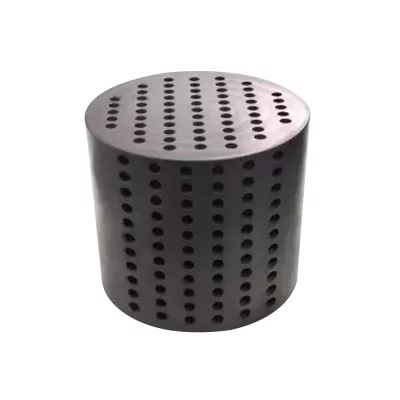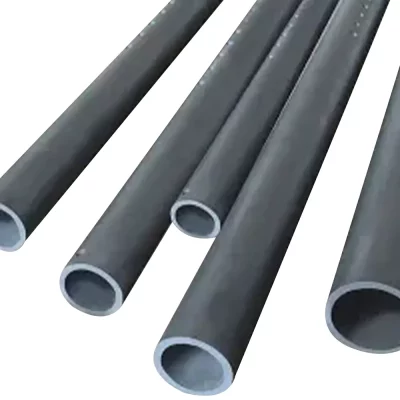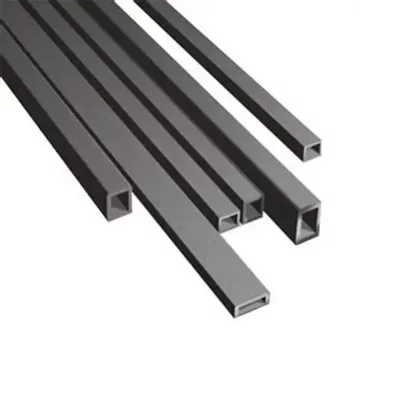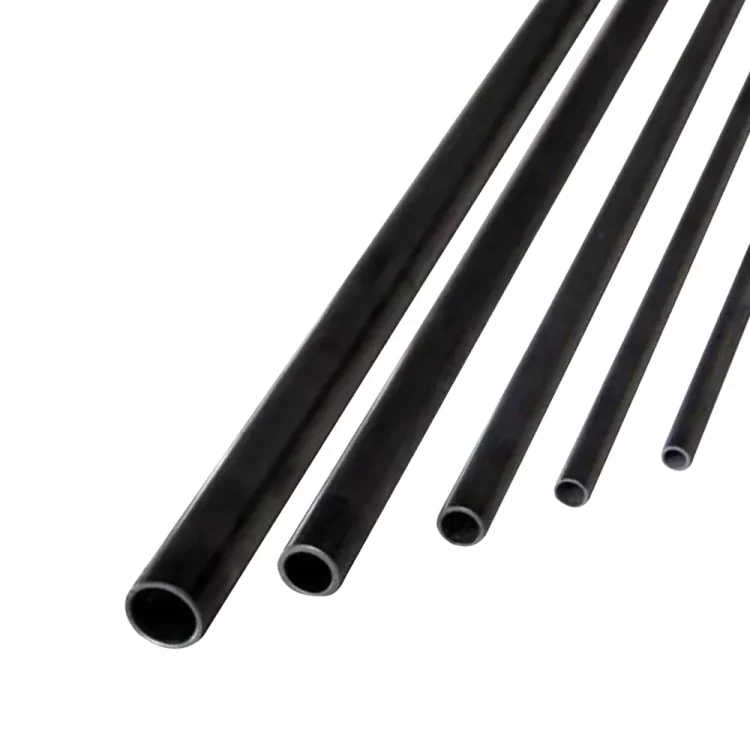
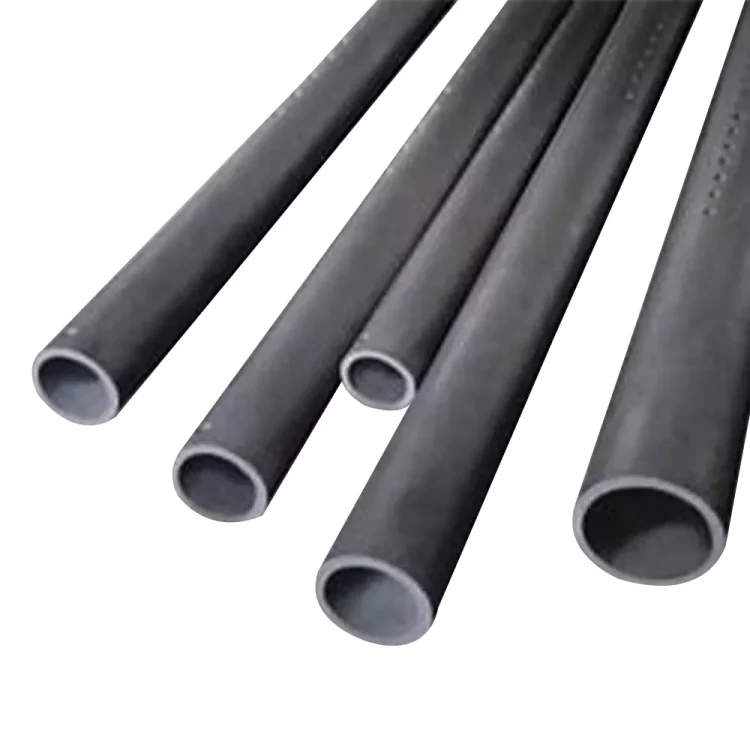
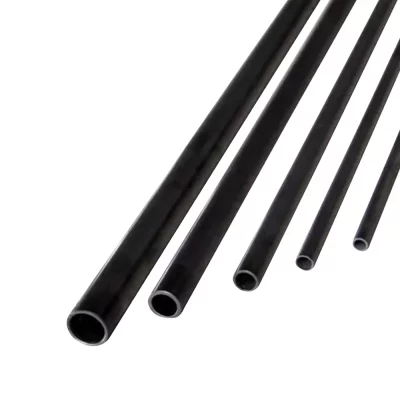
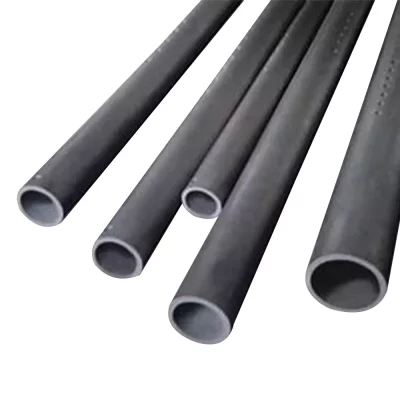
GORGEOUS CERAMICS (GGS Ceramic) silicon carbide heat exchange tubes are made from high-purity spray-granulated silicon carbide powder and manufactured using extrusion molding and high-temperature solid-state reaction sintering.
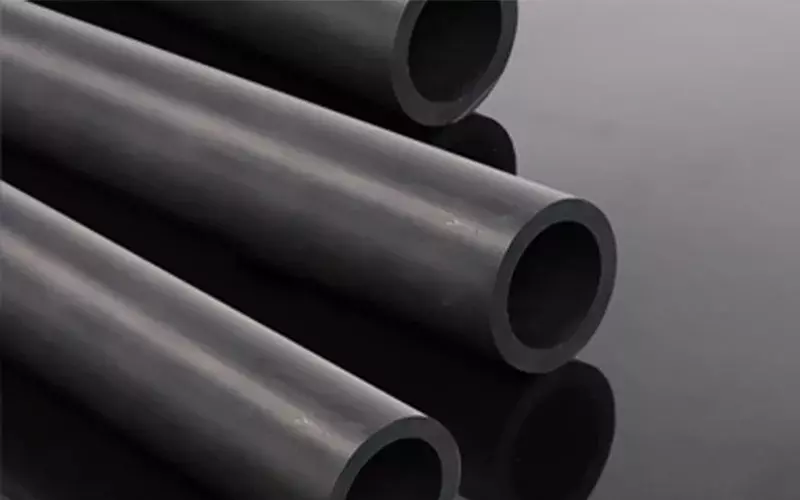
GORGEOUS CERAMICS (GGS Ceramic) customization capabilities
We understand the varying operating conditions of different industrial installations and can provide full-size customization based on your drawings. We will also assess and recommend the optimal material formulation and wall thickness design based on your application’s specific fluid media (such as corrosivity, flow rate, and temperature gradient).
We can provide various precision machining services as needed, including precision grinding and polishing of outer diameters, inner diameters, and end faces to ensure a perfect fit with various tube sheets and sealing structures (such as graphite gaskets, O-rings, and fluororubber seals).
|
Nominal size |
Wall thickness (mm) |
Outer diameter OD(mm) |
Inner diameter ID(mm) |
Toleranz ±X (mm) |
Out of roundness |
Maximum length (mm) |
|
DN4 |
0.50 |
8 |
6 |
±0.1 |
≤0.2 |
1500 |
|
DN6 |
0.50 |
10 |
8 |
±0.1 |
≤0.2 |
1500 |
|
DN8 |
1.00 |
8 |
6 |
±0.1 |
≤0.2 |
2000 |
|
DN10 |
1.00 |
10 |
8 |
±0.2 |
≤0.2 |
2000 |
|
DN14 |
1.50 |
14 |
11 |
±0.3 |
≤0.3 |
4500 |
|
DN19 |
2.25 |
19 |
14.5 |
±0.4 |
≤0.4 |
4500 |
|
DN25 |
3.00 |
25 |
19 |
±0.5 |
≤0.5 |
4500 |
|
DN35 |
5.00 |
25 |
25 |
±0.7 |
≤0.7 |
4500 |
|
DN38 |
5.00 |
38 |
28 |
±0.8 |
≤0.8 |
4500 |
Product Testing
We conduct reliability testing on each heat exchanger tube under extreme operating conditions, using a high-precision laser diameter gauge to perform 100% scanning and monitoring of the tube’s outer diameter, wall thickness uniformity, surface finish, roundness, and straightness.
Before leaving the factory, the products undergo multi-dimensional physical performance testing, including pressure resistance testing, airtightness testing, and microstructure analysis, to ensure that the products are free of microcracks and pores, guaranteeing stable use under high-pressure environments.
Delivery cycle
Standard sizes are in stock and can be shipped quickly within 3-5 business days. Bulk customized products typically take 20-30 business days to deliver.
Paket
Silicon carbide is a high-hardness but brittle advanced ceramic material. We employ a multi-layered shockproof and impact-resistant custom packaging solution:
Inner layer protection: Each heat exchange tube is individually and tightly wrapped with high-density pearl cotton or bubble wrap, completely isolating it from collisions and friction between tubes.
Pearl cotton molds are used as a buffer layer to prevent displacement during transportation.
Performance advantages of silicon carbide heat exchange tubes
Stable operation in extreme corrosive environments
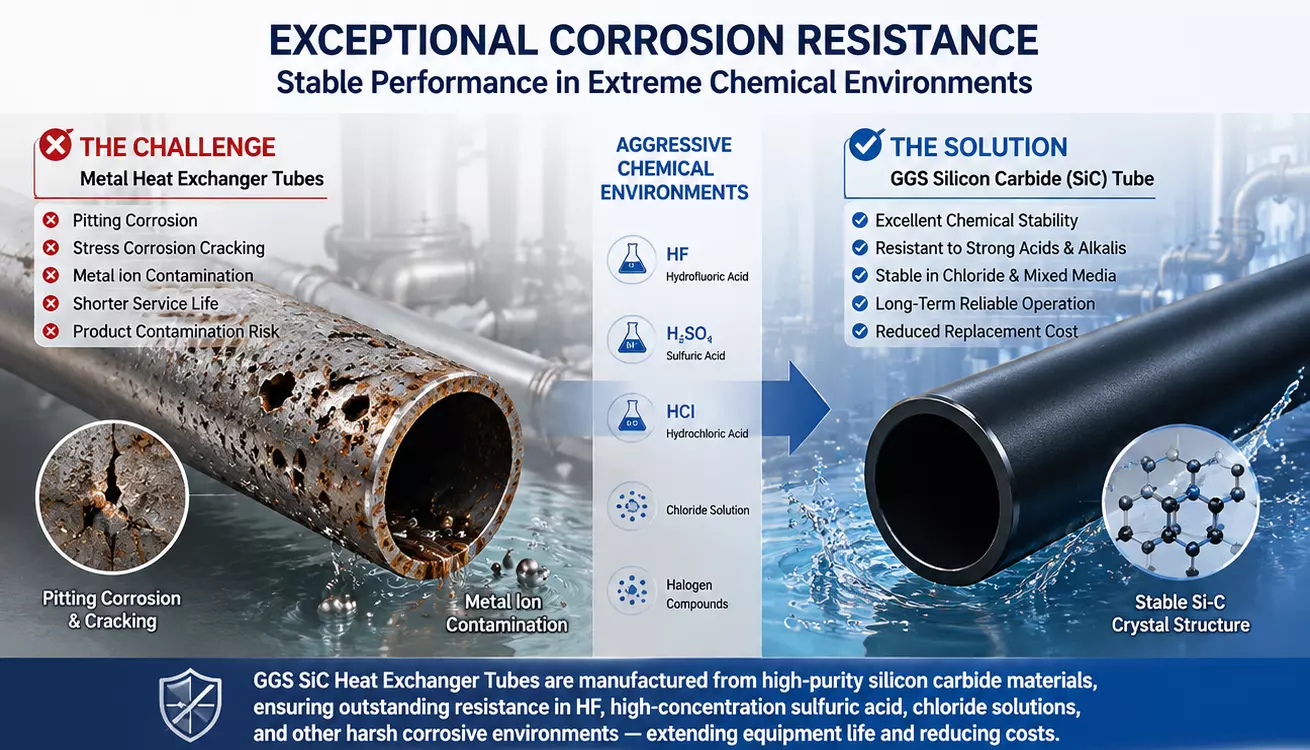
In various chemical production processes, a common pain point for customers is that heat exchange equipment needs to be in long-term contact with corrosive substances such as concentrated sulfuric acid, hydrofluoric acid, hydrochloric acid, chloride solutions, and halogen compounds.
If you are using metal heat exchange tubes (such as Hastelloy or stainless steel), pitting corrosion, stress corrosion cracking, and metal ion contamination are likely to occur in various acidic environments. Especially under high-temperature conditions, the corrosion efficiency will increase significantly, reducing your equipment lifespan and potentially contaminating your products.
This pain point can be perfectly addressed by GORGEOUS CERAMICS (GGS Ceramic) silicon carbide heat exchange tubes. Our silicon carbide heat exchange tubes are made from high-purity silicon carbide material, which possesses excellent chemical stability. They maintain structural stability in hydrofluoric acid mixtures, high-concentration sulfuric acid environments, and chloride corrosion systems, reducing your replacement costs.
Corrosion resistance of various materials:
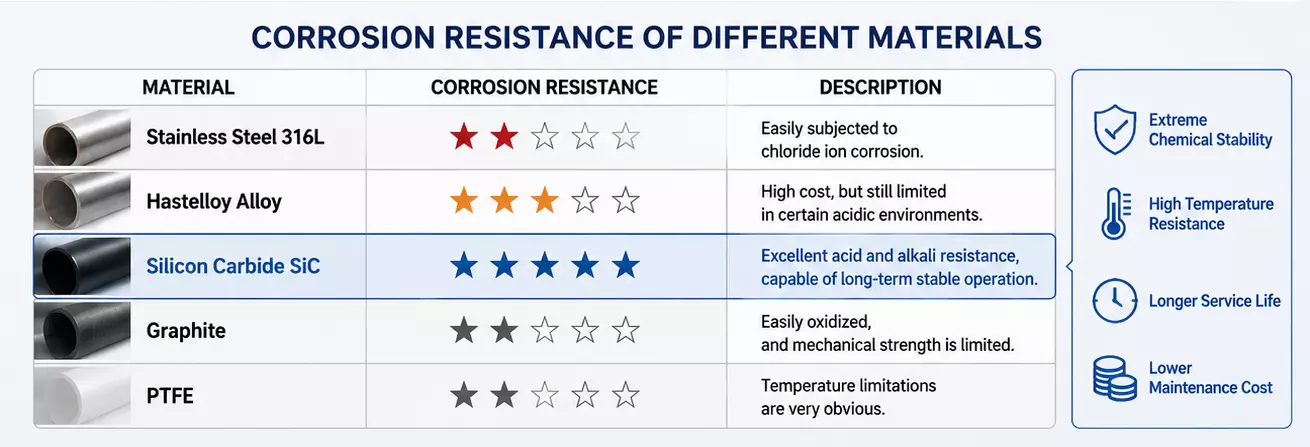
|
Material |
Korrosionsbeständigkeit |
|
316L stainless steel |
It is susceptible to corrosion by chloride ions. |
|
Hastelloy |
The cost is relatively high, but it is still limited in some acidic environments. |
|
Siliziumkarbid (SiC) |
Extremely resistant to acid and alkali corrosion, enabling long-term stable operation. |
|
graphite |
It is susceptible to oxidation and has limited mechanical strength. |
|
PTFE |
Temperature limitations are obvious |
A thermal conductivity of 140 W/m·K helps you significantly improve heat exchange efficiency
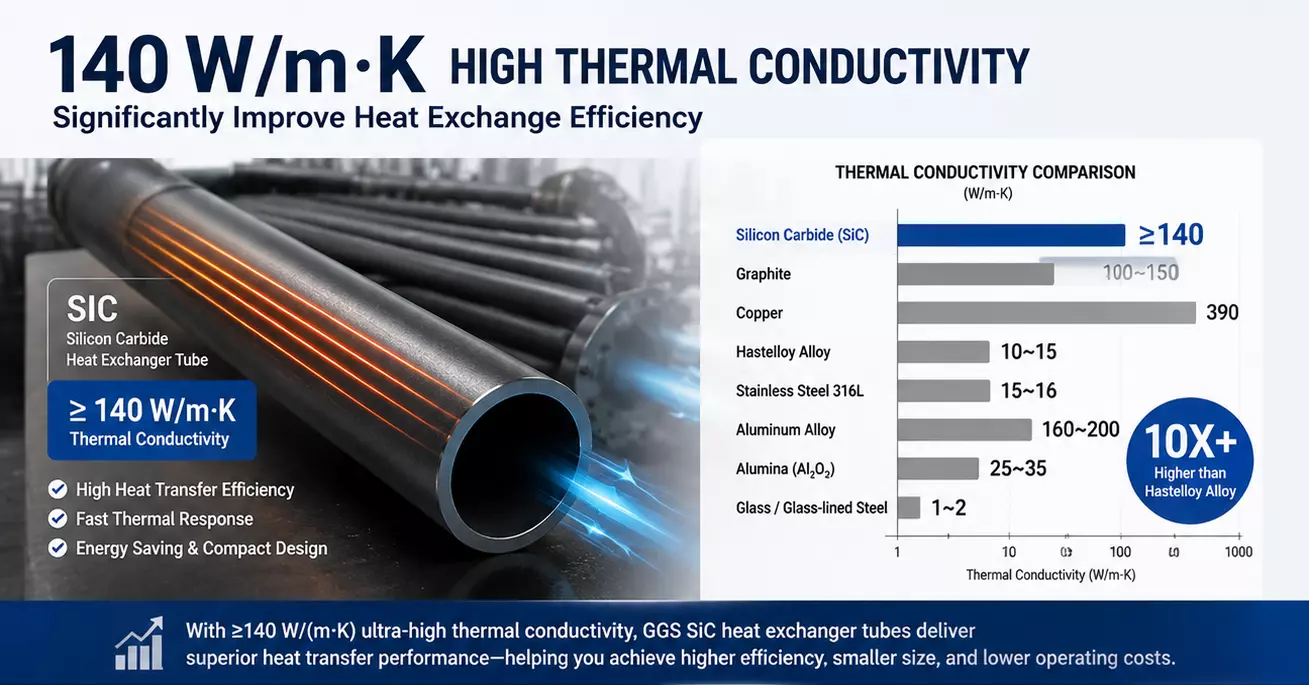
The core goal of heat exchanger design is to achieve higher heat exchange efficiency within a more compact volume. Using materials with low thermal conductivity not only reduces the thermal response cycle but may also require a significant increase in heat exchange area, resulting in additional costs.
GORGEOUS CERAMICS (GGS Ceramic) silicon carbide heat exchange tubes possess an ultra-high thermal conductivity of ≥140 W/(m·K), far exceeding the performance of most heat exchange materials.
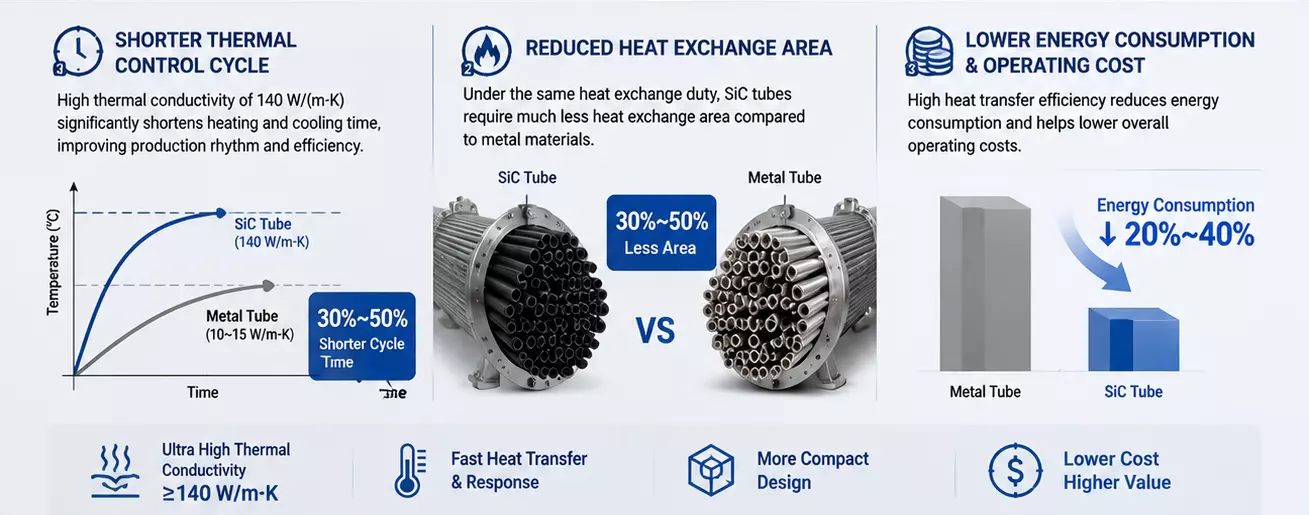
- Thermal conductivity advantage: Silicon carbide’s thermal conductivity is several times that of common heat exchange materials, such as Hastelloy, which is more than 10 times higher.
- Shorter temperature control cycle: A thermal conductivity rate of 140 W/(m·K) significantly shortens the heating and cooling time of materials, improving your production pace.
- Reduced heat exchange area: For the same heat exchange power requirements, using silicon carbide significantly reduces the required total heat exchange area compared to materials with low thermal conductivity. It reduces the area by approximately 30%–50% compared to metal materials and saves 70% of installation space compared to glass-lined heat exchangers.
Thermal conductivity of various materials
|
Material |
Wärmeleitfähigkeit |
|
Quartz glass |
1.4 W/m·K |
|
Enameled glass |
1-2 W/m·K |
|
Edelstahl |
15-25 W/m·K |
|
Aluminiumoxidkeramik |
25-35 W/m·K |
|
Siliziumkarbidkeramik |
≥140 W/m·K |
|
graphite |
80-150 W/m·K |
High-pressure reliability of 100 Bar prevents heat exchanger tube rupture and leakage
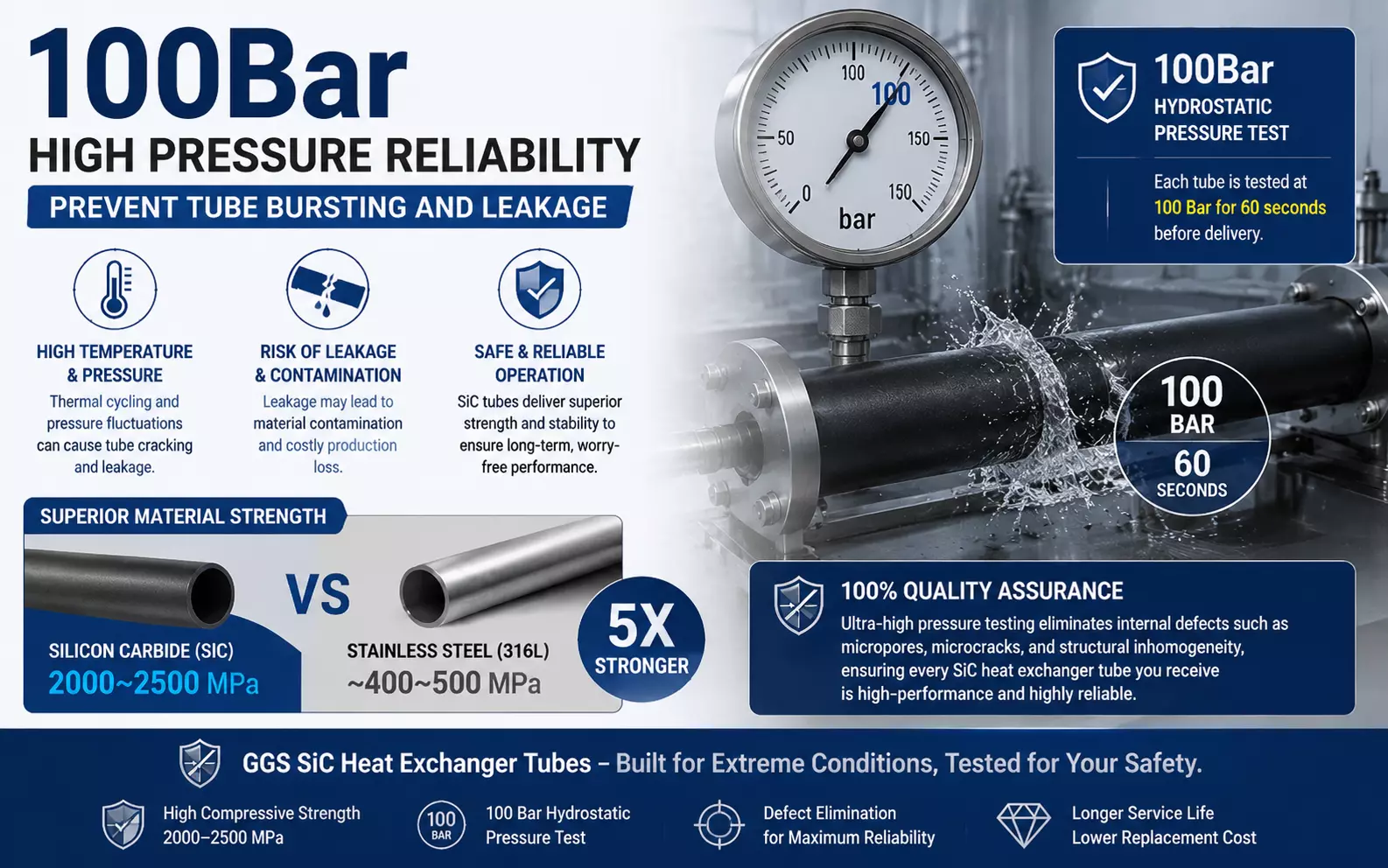
In chemical heat exchange processes (especially evaporation and reaction cooling systems), heat exchange tubes are prone to severe pressure fluctuations and thermal stress shocks due to high temperatures, high pressures, and repeated thermal cycling, leading to accidents such as tube wall cracking, leakage, and contamination. Such accidents can result in material contamination and the scrapping of entire batches of high-value products.
Silicon carbide, a material with extremely high compressive strength (2000-2500 MPa), five times that of ordinary stainless steel, addresses the problem at its source.
Every silicon carbide heat exchange tube from GORGEOUS CERAMICS (GGS Ceramic) undergoes a 100-bar extreme water pressure test before leaving the factory, enduring a 100-bar pressure exceeding the standard for 60 seconds on a high-pressure testing platform. This ultra-high-pressure water pressure test 100% triggers and eliminates potential hidden dangers such as micropores, microcracks, or structural inhomogeneities within the heat exchange tube, ensuring that every reaction tube delivered to you is high-performance and highly reliable.
High-precision dimensional control ensures proper assembly and matching of the heat exchanger
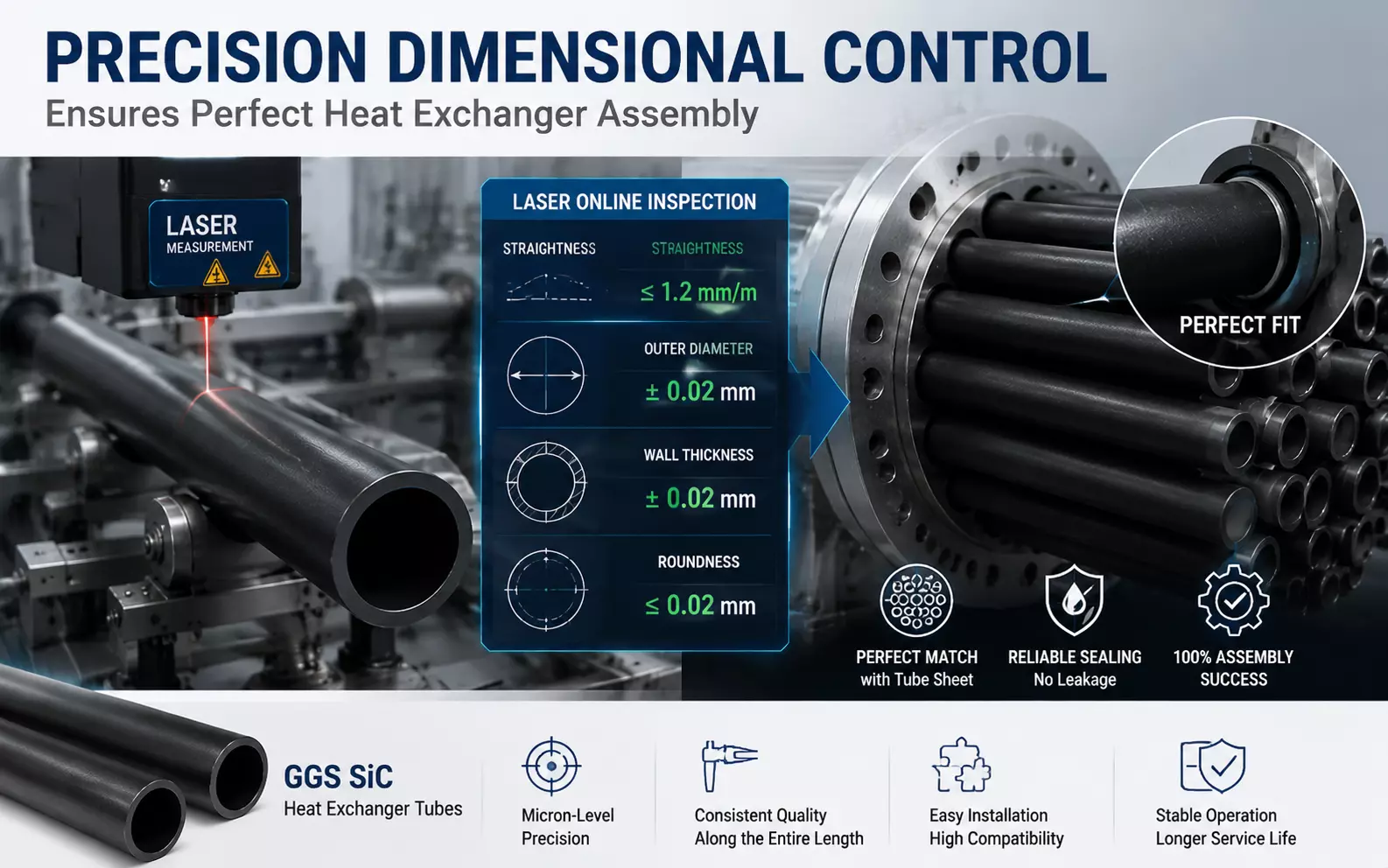
For heat exchanger manufacturers (OEMs) and system integrators, the geometric accuracy of the tubes directly determines the heat exchanger’s assembly efficiency, tube sheet sealing performance, and hydrodynamic performance.
Excessive straightness deviations can lead to difficulties in tube bundle insertion into the tube sheet, increasing the risk of breakage during operation. Deviations in outer diameter and roundness can cause uneven gaps in the tube’s sealing rings, resulting in seal failure, media leakage, or damage to the seals during installation.
GORGEOUS CERAMICS (GGS Ceramic) silicon carbide heat exchanger tubes undergo fully automated online laser monitoring before leaving the factory, ensuring straightness ≤1.2% (mm/m); guaranteeing consistent wall thickness across the entire tube section; and ensuring outer diameter tolerances are strictly locked at the micron level. This ensures perfect matching with various standard tube sheet bores and graphite/fluororubber seals, guaranteeing 100% successful assembly on the first attempt.
Häufig gestellte Fragen
What are the core advantages of silicon carbide heat exchange tubes compared to Hastelloy, titanium, or fluoroplastic heat exchangers?
Compared to metallic materials, silicon carbide is less susceptible to corrosion from strong acids and chlorides, while metals are prone to pitting corrosion and stress corrosion in these environments. Furthermore, silicon carbide has a lifespan 3-5 times longer than metallic materials and boasts a higher thermal conductivity (≥140 W/m·K).
Should I choose pressureless sintered silicon carbide (SSiC) or reaction sintered silicon carbide (RBSiC)?
Pressureless sintered silicon carbide (SSiC) boasts a purity of 99%+, contains no free silicon, and exhibits exceptional resistance to acid and alkali corrosion.
Reaction sintered silicon carbide (RBSiC) contains a small amount of free silicon, offering better cost-effectiveness and higher mechanical strength, making it suitable for treatment with low to medium concentrations of acid solutions.
Will silicon carbide heat exchange tubes crack due to thermal shock during system start-up, shutdown, or drastic temperature changes?
No, GORGEOUS CERAMICS (GGS Ceramic) silicon carbide has an extremely low coefficient of thermal expansion and extremely high thermal conductivity. Our products undergo rigorous thermal cycling testing and can withstand frequent start-ups and shutdowns, as well as the instantaneous and intense exothermic reactions (such as nitration and fluorination).
How should you clean silicon carbide heat exchange tubes if scale forms?
Silicon carbide has excellent chemical inertness and can withstand chemical cleaning (CIP) with almost all strong acid and alkali cleaning agents. You don’t need to worry about the tube walls being corroded and thinned by the cleaning solution.
What is the typical lifespan of silicon carbide heat exchange tubes?
GORGEOUS CERAMICS (GGS Ceramic) silicon carbide heat exchange tubes typically have a lifespan of 5–10 years or more, reducing your total lifespan maintenance and downtime losses by more than 80%.