Advanced Ceramics in Electrical Engineering and Electronics
Technical ceramics are characterized by their high versatility in electronic and electrical applications. GORGEOUS CERAMICS (GGS) can provide customized solutions to suit your specific needs.
Zastosowania elektryczne
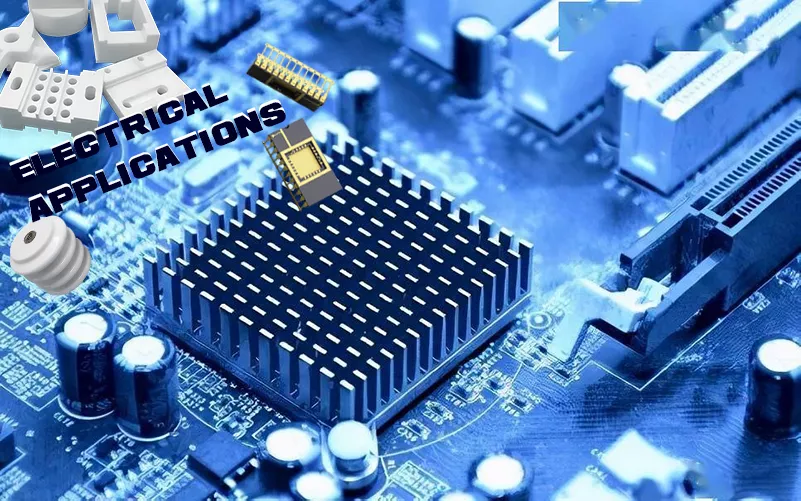
Ceramic insulators | Busshings | Piezoelectric ceramics, etc.
Advanced ceramics, with their superior dielectric strength, thermal stability, and long-term reliability, play a crucial role in electrical engineering. Products such as ceramic insulators, bushings, and piezoelectric ceramics are commonly used in transformers, switchgear, and power distribution systems, effectively improving the insulation performance, operational safety, and service life of these devices.
GORGEOUS CERAMICS (GGS) provides customers with a wide range of high-performance ceramic materials and precision machining customization solutions. Whether in power transmission, electronic packaging, or smart sensing applications, we can offer you the best solutions.
Aplikacje elektroniczne
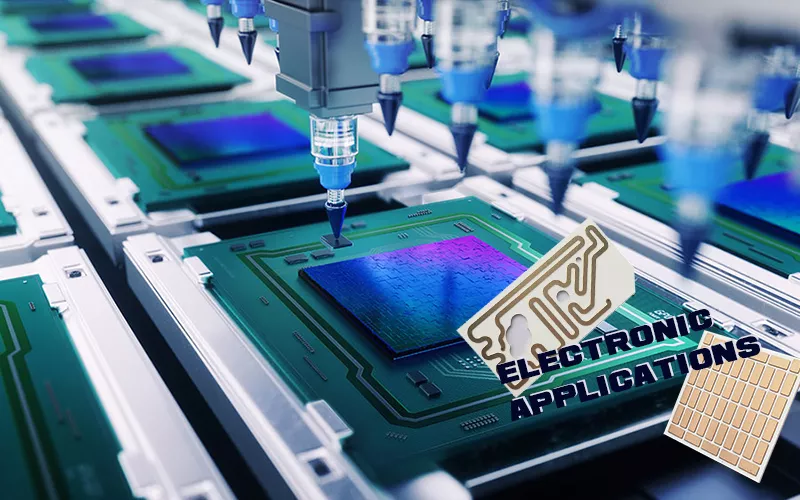
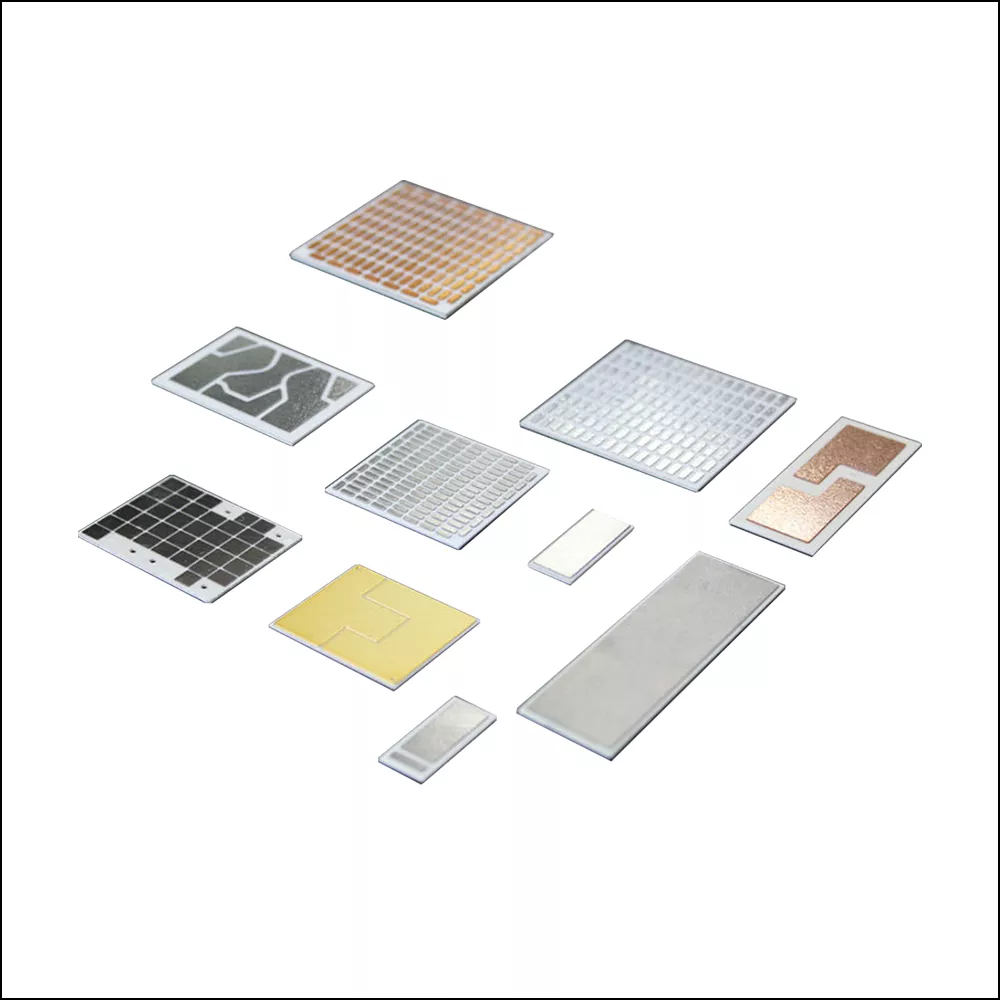
Podłoża ceramiczne | DBC substrates | AMB substrates, etc.
Advanced ceramics play an indispensable role in electronic systems, primarily used in power electronics, semiconductor packaging, and high-performance electronic modules.
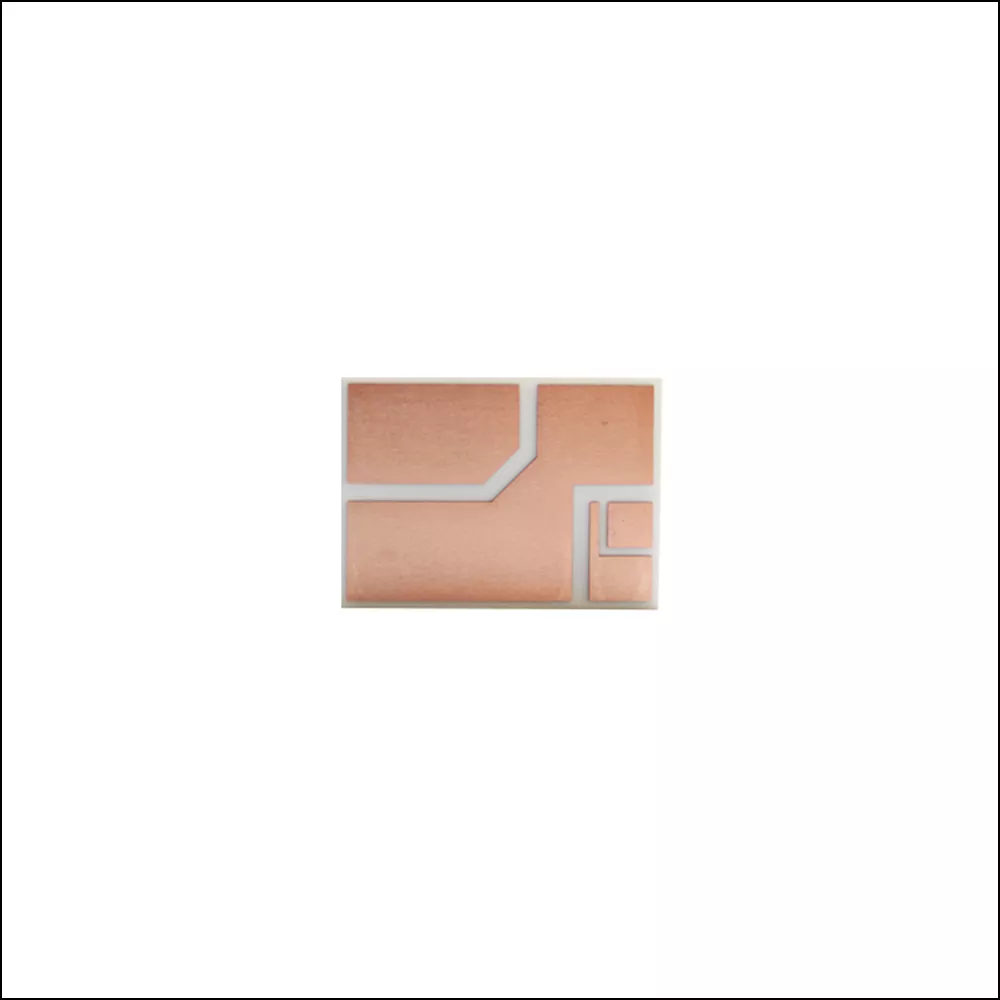
Common products include ceramic substrates, DBC (Direct Copper Bonding) substrates, and AMB (Active Metal Brazing) substrates.
GORGEOUS CERAMICS (GGS) can provide ceramic solutions that combine electrical insulation and high thermal conductivity to meet specific customer needs.
Semiconductor Applications
Electrostatic chucks (ESC) | Ceramic vacuum components | Plasma-resistant parts, etc.
In semiconductor manufacturing, the demands for extreme environments, ultra-high precision, and contamination control are extremely stringent, and the superior performance of advanced ceramics is a perfect fit.
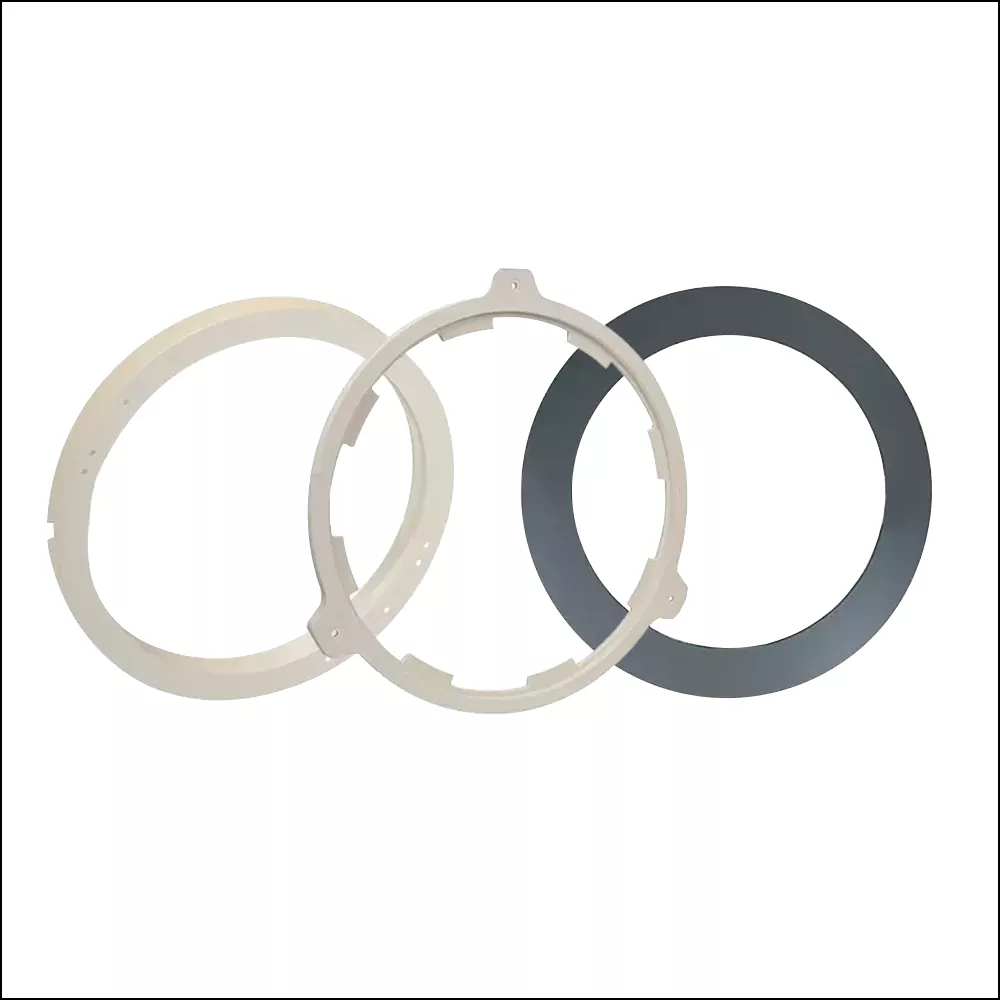
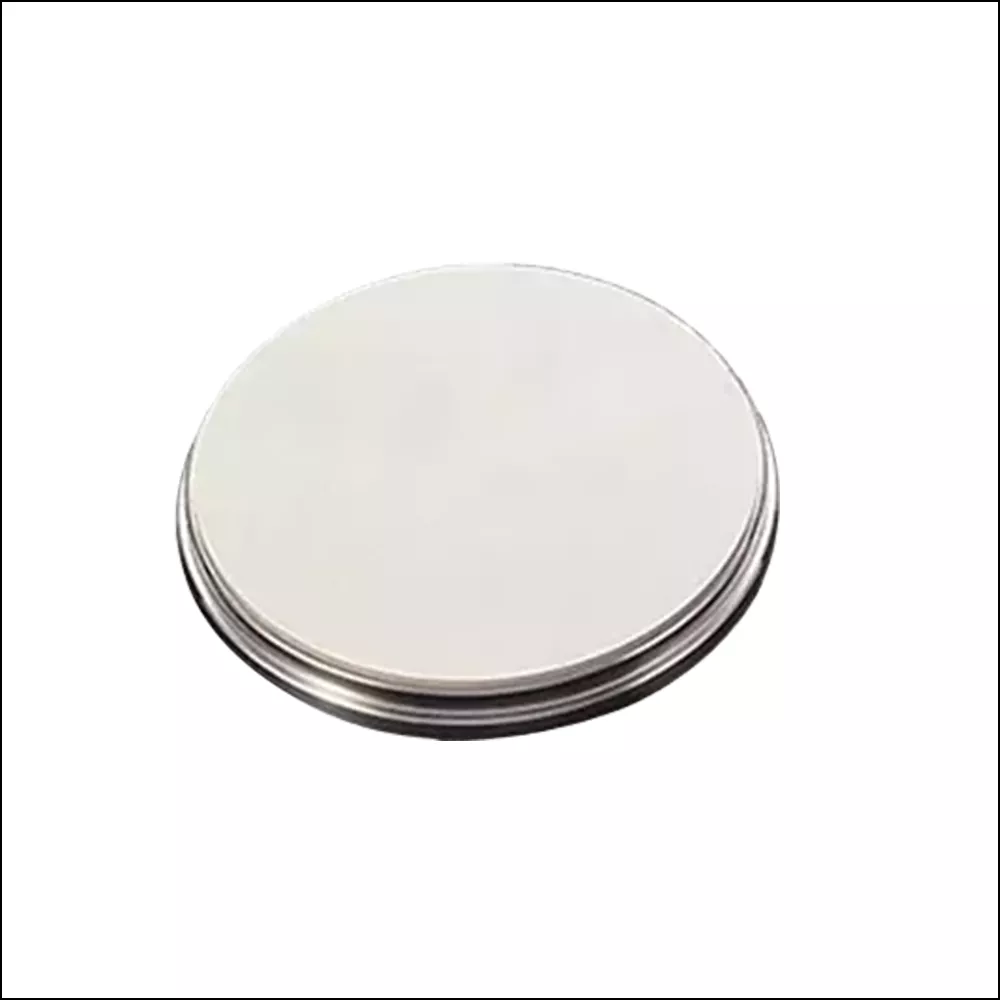
Key products include electrostatic chucks (ESCs), ceramic vacuum components, and plasma-resistant parts. ESCs are crucial for securely holding wafers during processes such as etching, deposition, and photolithography, ensuring high precision and uniformity. Ceramic vacuum components are used in vacuum chambers and processing systems, offering excellent mechanical strength and low outgassing characteristics.
GORGEOUS CERAMICS (GGS) provides the best ceramic solutions for the semiconductor industry.
Product Showcase
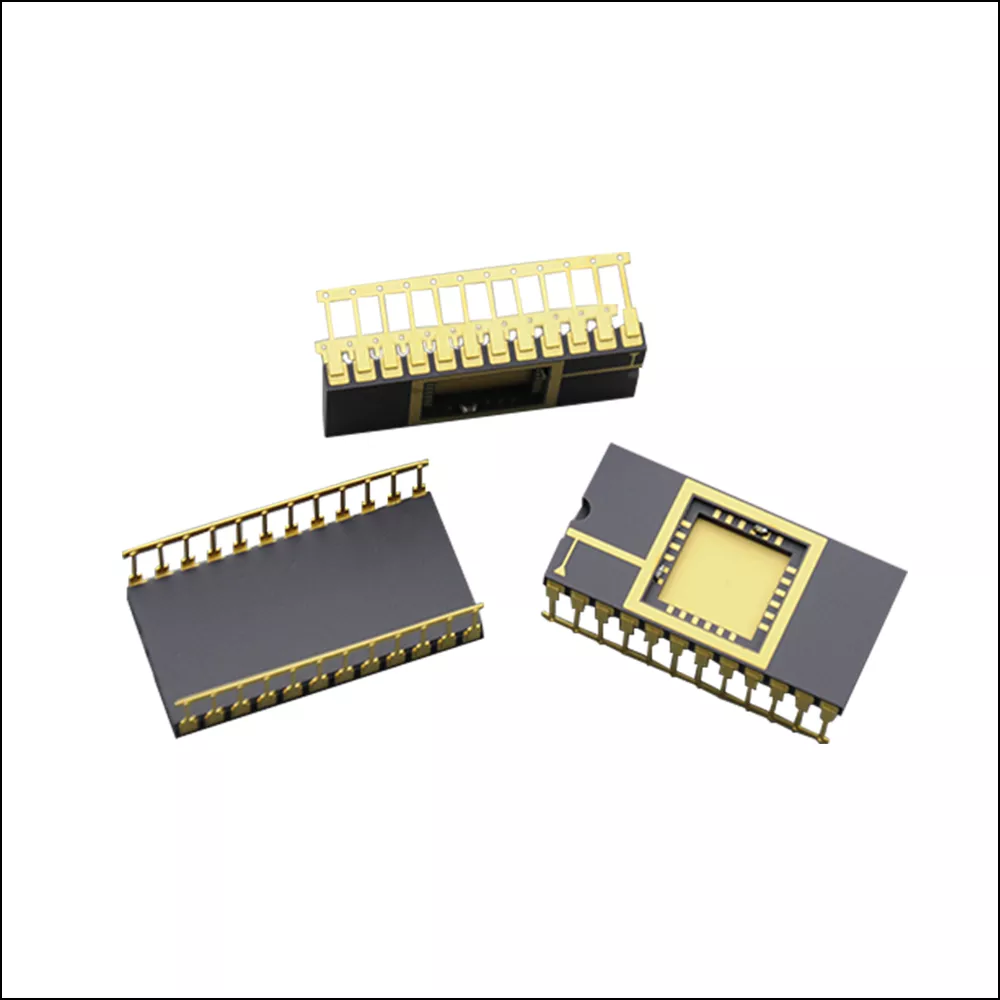
Opcjonalny proces ceramiczny półprzewodnikowy
| Typical Products | Application Scenarios | Core Functions |
|
Ceramic insulators, bushings |
Power transmission lines, transformers, switchgear | Electrical insulation and mechanical support |
| DBC substrates (Direct Bonded Copper), AMB substrates | IGBT modules, inverters, EV power control systems | Heat dissipation and electrical interconnection |
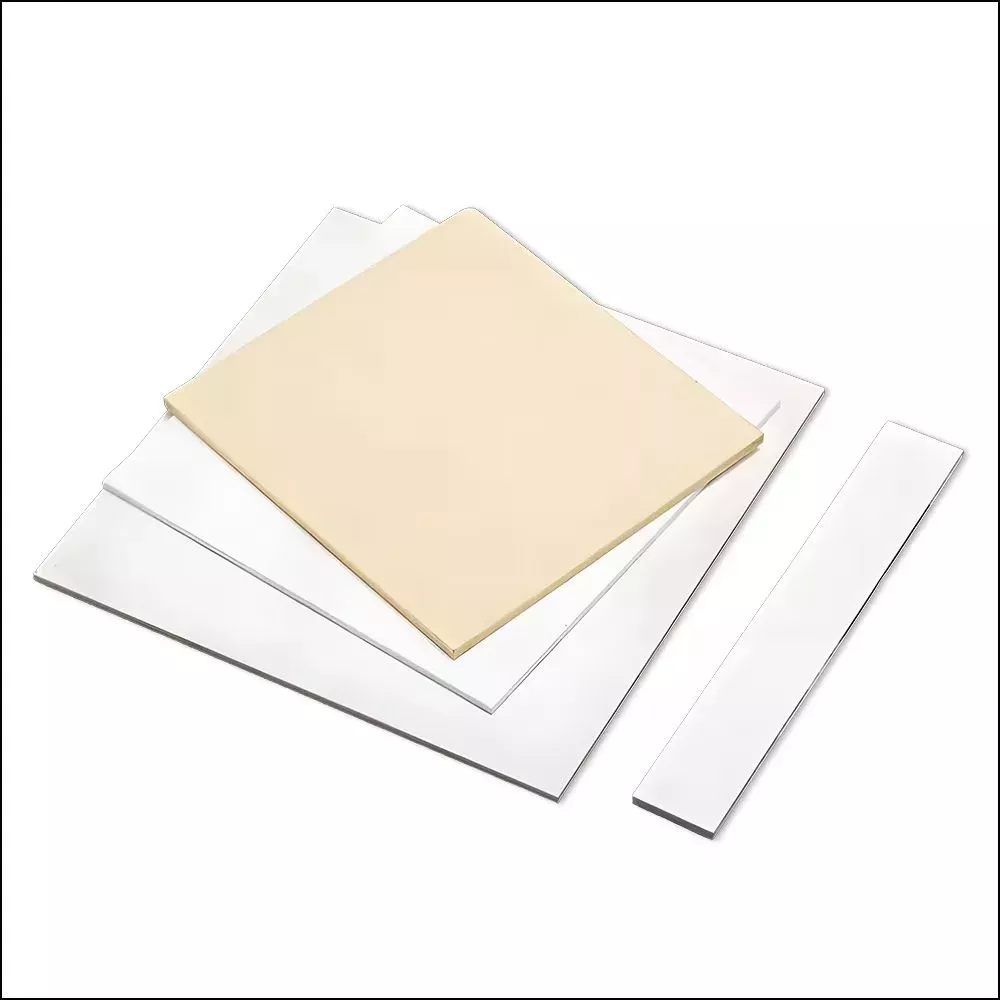
| Alumina substrates, Aluminum Nitride (AlN) substrates | IC packaging, LED packaging, power modules | Circuit carriers and heat dissipation |
| PZT ceramics, piezoelectric components | Sensors, actuators, ultrasonic devices | Electro-mechanical energy conversion |
| Microwave ceramics, dielectric resonators | Communication devices, 5G base stations, radar systems | Signal transmission and frequency control |
| Electrostatic chucks (ESC), ceramic heaters | Wafer fabrication, semiconductor equipment | Wafer holding and temperature control |
| Ceramic vacuum tubes, feedthroughs | Vacuum systems, electron tubes, accelerators | Vacuum sealing and electrical isolation |
| AlN heat sinks, ceramic heat dissipation substrates | LED lighting, power modules | Heat management |
| Zirconia components, alumina precision parts | Relays, connectors, electromechanical systems | Structural support and wear resistance |
| Multilayer ceramic capacitors (MLCC) | Various electronic circuits | Energy storage and filtering |
Często zadawane pytania
Why are advanced ceramics widely used in the electrical and electronic fields?
Advanced ceramics offer excellent electrical insulation, high thermal conductivity, and strong heat resistance, corrosion resistance, and abrasion resistance. They are ideal for harsh environments such as high-voltage systems, power electronics, and semiconductor equipment.
What are some commonly used advanced ceramic materials in the electronics field?
Aluminum oxide (Al₂O₃), aluminum nitride (AlN), zirconium oxide (ZrO₂), silicon nitride (Si₃N₄), etc.
How do advanced ceramics improve the performance of power electronic devices?
They improve heat dissipation and electrical insulation properties. For example, substrates like DBC and AMB can dissipate heat from sensitive components, reducing thermal stress and extending device lifespan.