High-Performance Ceramics for the Automotive Industry
GORGEOUS CERAMICS (GGS) is a reputable and experienced supplier of technical ceramics in the automotive industry, holding ISO 9001:2015 quality management system certification and IATF 16949:2016 automotive industry quality management system certification.
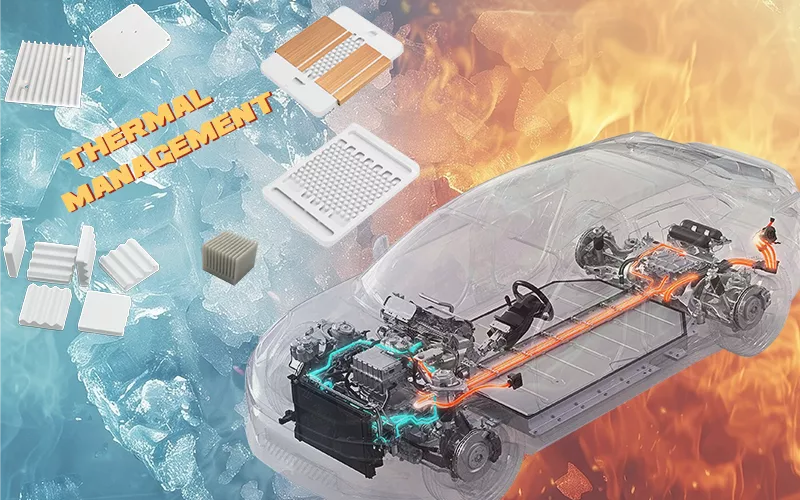
Thermal Management Applications
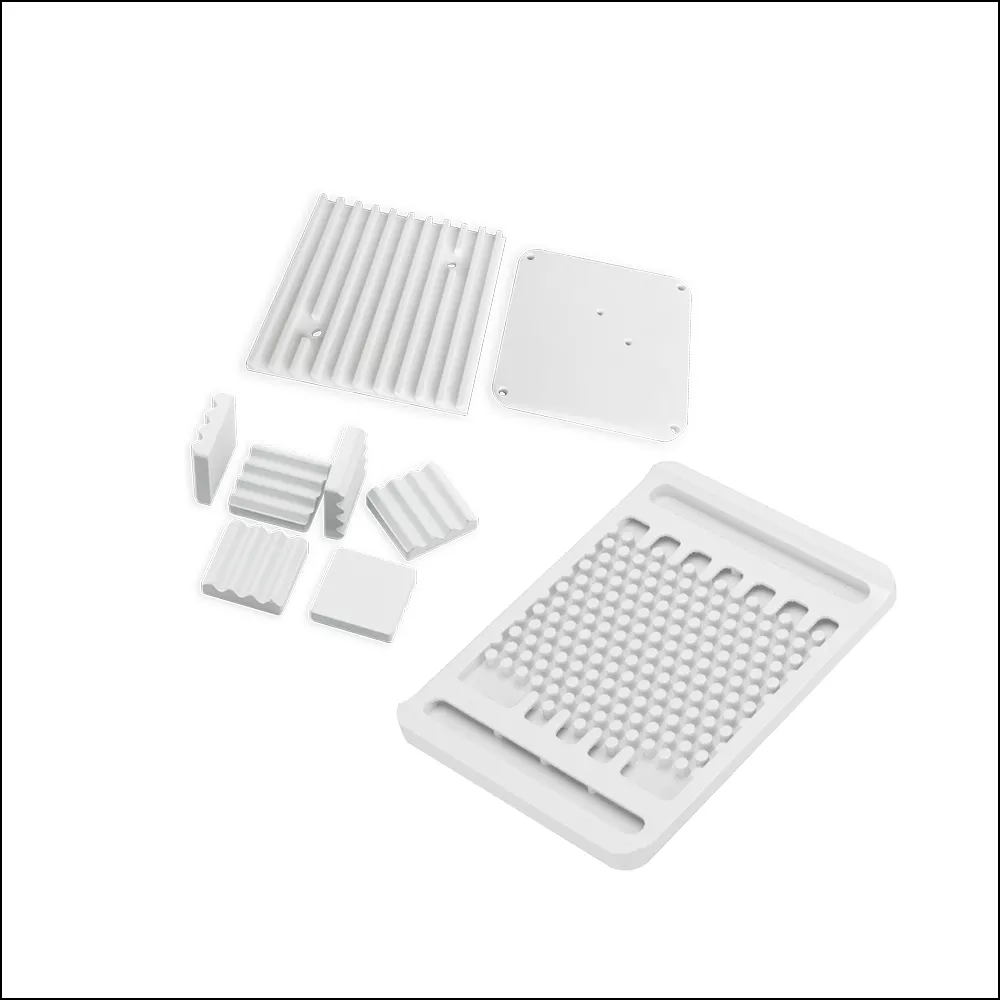
Heat sinks | Power module heat dissipation | Thermal conductive structural components, etc.
Technical ceramics possess excellent thermal conductivity, high-temperature resistance, and chemical stability, demonstrating significant advantages in automotive thermal management systems.
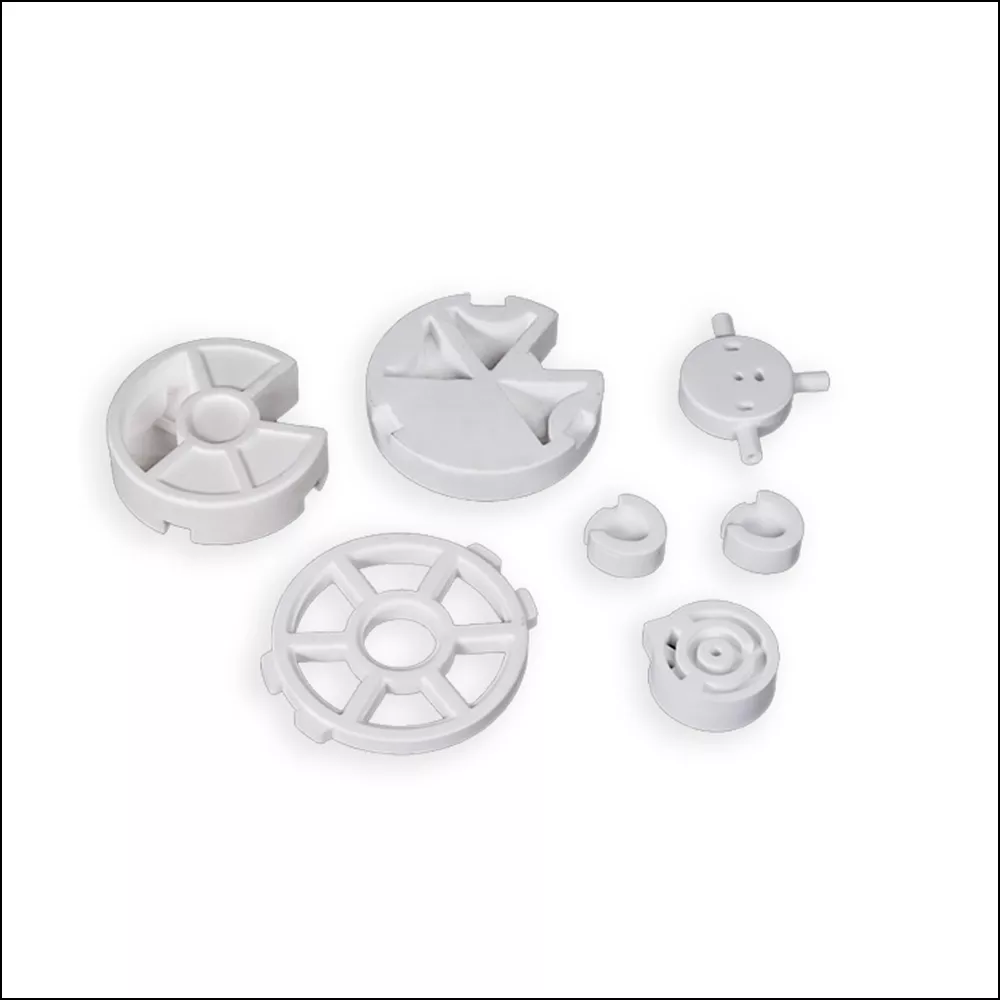
In the automotive industry, ceramic materials are used in water pumps, valves, and various wear-resistant critical components, ensuring long-term stable operation under high-temperature and complex mechanical stress environments, thus contributing to the reliability and lifespan of automotive thermal management systems.
GORGEOUS CERAMICS (GGS) specializes in the customized development and precision machining of high-performance ceramics, providing professional ceramic solutions tailored to customers’ specific thermal management needs.
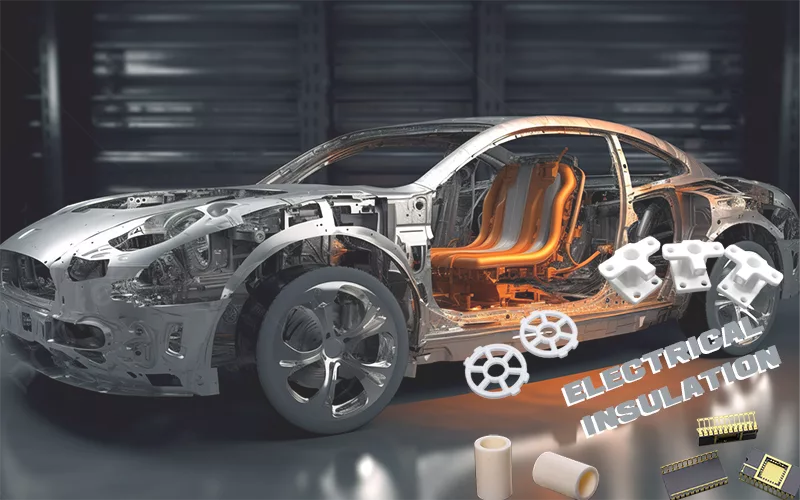
Electrical Insulation and High Voltage System Applications
Insulating ceramic structural components | electronic packaging | sleeves/supports, etc.
Advanced ceramics play a crucial role in automotive electrical insulation and high-voltage systems. Thanks to their superior electrical insulation properties, technical ceramics maintain stable and reliable performance in the automotive industry.
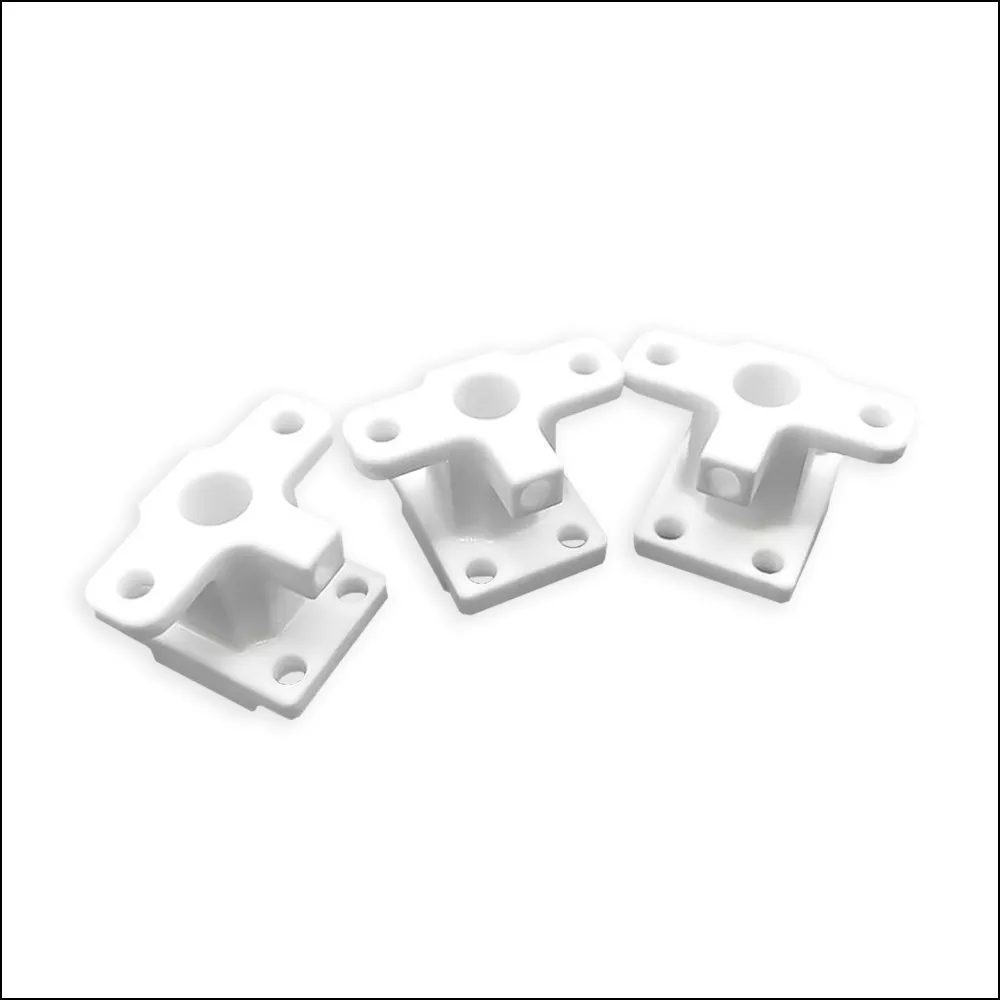
In the high-voltage systems of new energy vehicles, ceramic materials are used in critical components such as insulating sleeves, connectors, and sensor housings. These ceramic components effectively prevent electrical breakdown and leakage risks and operate stably in high-temperature, high-humidity, and highly corrosive environments.
GORGEOUS CERAMICS (GGS) offers custom processing of advanced ceramics, providing professional and reliable ceramic insulation solutions.
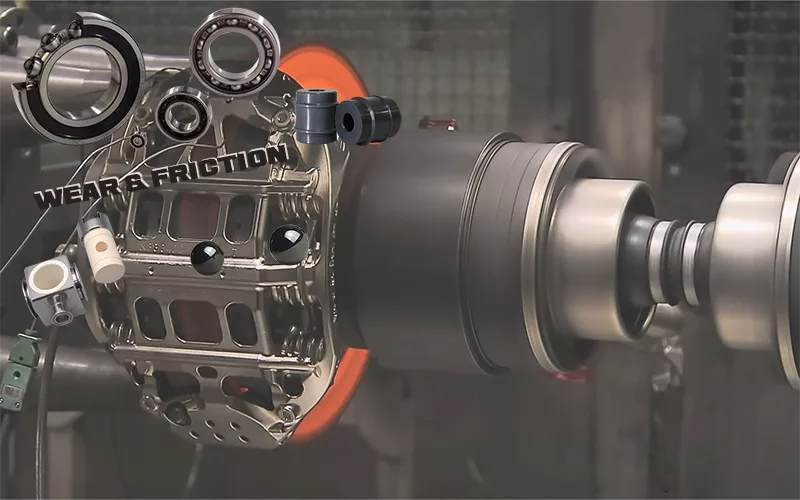
Structural Wear-Resistant and Low-Friction Applications
Namiar | sealing rings | valve seats | water pumps, etc.
Advanced ceramics continue to demonstrate superior performance in automotive applications requiring structural wear resistance and low friction. Some ceramic materials possess extremely high hardness, wear resistance, and a low coefficient of friction, effectively reducing wear and energy loss under long-term high-speed operation and high-load conditions.
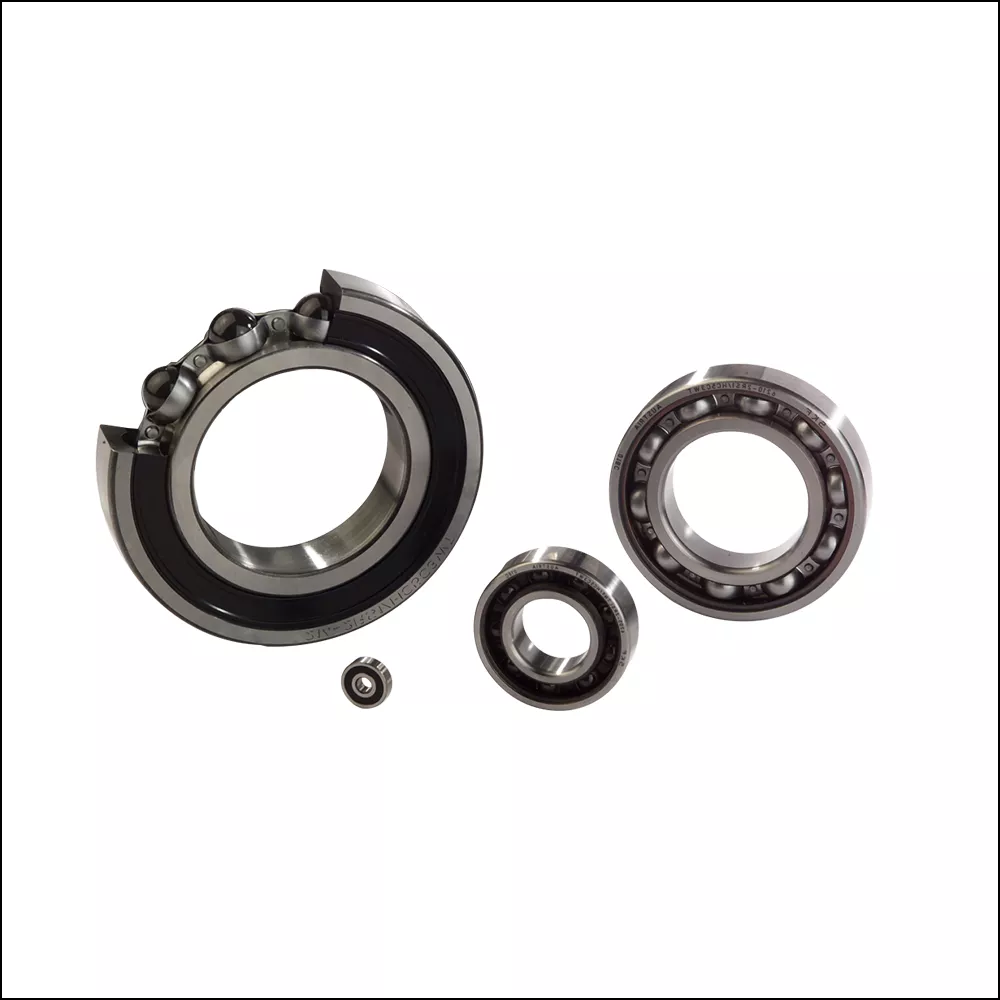
In automotive systems, ceramic materials are widely used in critical structures such as bearing components, sealing rings, sliding components, and pump bodies. These structural components maintain stable dimensional accuracy and surface properties even in high-temperature, insufficiently lubricated, or highly corrosive environments, thereby extending service life and reducing maintenance frequency.
GORGEOUS CERAMICS (GGS) specializes in the custom machining of high-precision ceramic structural components, providing high-wear-resistant, low-friction ceramic solutions tailored to customers’ diverse operating conditions.
Products and Solutions
GORGEOUS CERAMICS (GGS) provides products and solutions for the automotive industry.
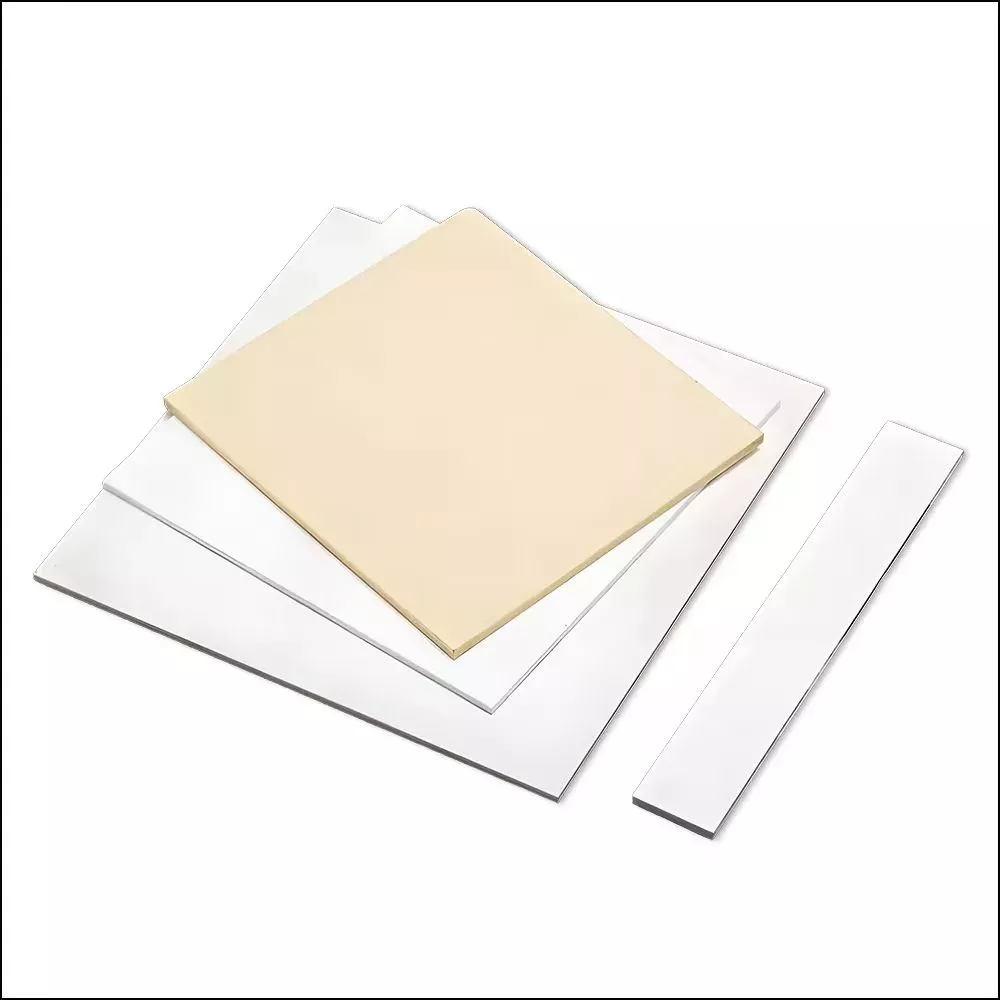
Ceramic substrates and key electronic components such as DBCs: Ceramic substrates and DBCs, as highly reliable carriers for automotive electronic circuits, are used in power modules, electronic control systems, and sensor components of new energy vehicles, ensuring stable and safe operation.
Ceramic pumps, valves, and static functional components: In engine systems, exhaust systems, and vehicle thermal management systems, pump bodies, valves, and various static structural ceramic components maintain long-term stable operation under harsh conditions.
Ceramic bearings, braking components, and roller assemblies: In high-speed and high-load automotive applications, ceramic materials exhibit excellent low-friction and wear-resistant properties, making them suitable for manufacturing ceramic components such as bearings, braking systems, and conveyor rollers. Compared to traditional metal materials, ceramic components effectively reduce friction loss, improve operating efficiency, and reduce maintenance frequency, making them ideal for new energy vehicle applications.
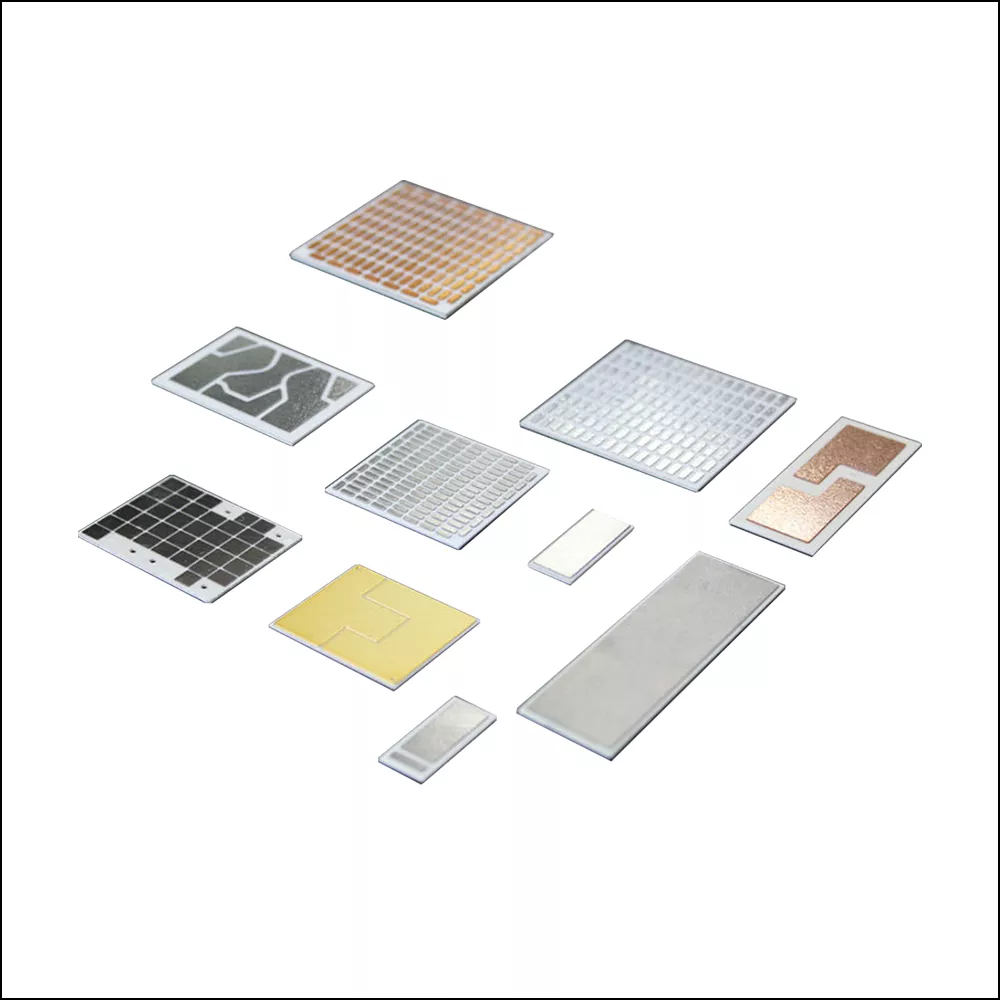
Applications of High-Performance Ceramics in Electric Vehicles
| Systems Domain | Typowe zastosowania | Pain Points of Traditional Materials | Ceramic Solutions |
| Thermal Management System | Radiator, braking resistor | Prone to fatigue and corrosion | Al2O3 and AlN ceramics |
| Electric Drive System | Power module, insulation, charging system | Insufficient insulation, thermal runaway | Ceramic substrates and structural components |
| Battery System | Battery isolation, thermal management | Aging, deformation and corrosion | Corrosion-resistant ceramic structural components |
| Sensing system | Pressure/Oxygen Sensor | Corrosion can affect accuracy | High-performance functional ceramics |
| Electronic systems | Inverter, passive components | Insufficient heat dissipation | Ceramic substrate (DBX/AMB) |
| Mechanical system | Bearings, structural components | Wear and high temperature failure | Zirconia, silicon nitride and other structural ceramics |
Często zadawane pytania
What are the advantages of using technical ceramics in automotive applications?
Technical ceramics possess strong high-temperature resistance, allowing for long-term stable operation in high-temperature environments, such as in engines, turbochargers, and exhaust systems.
They exhibit strong wear and corrosion resistance, effectively extending component lifespan and reducing maintenance costs, as seen in various corrosion-resistant ceramic parts.
They possess strong electrical insulation properties, making ceramic insulating components suitable for critical components in new energy vehicle battery systems, electronic control systems, and power electronic devices.
High thermal conductivity and controllable thermal conductivity contribute to improved heat dissipation efficiency in automotive electronics and battery systems.
They offer lightweight advantages, with a lower density than metal materials, reducing overall vehicle weight.
How are ceramics used in electric vehicle manufacturing?
Technical ceramics are mainly used in electric vehicles in three main areas: electrical insulation, thermal management and heat dissipation, and wear-resistant and highly reliable structural components. These are key to supporting the development of high voltage, high power and high reliability in new energy vehicles.
How can the use of ceramics in automobile manufacturing help improve fuel efficiency?
Lightweight design is employed because ceramic materials, with their low density, can replace some metal components, reducing overall vehicle weight and fuel consumption.
Reduced friction loss is achieved through ceramic bearings and wear-resistant parts, which have extremely low coefficients of friction, minimizing energy loss in the powertrain and improving mechanical efficiency.
Ceramics offer high-temperature thermal efficiency, resulting in more stable and complete combustion in the engine’s high-temperature regions.
Some ceramic materials also possess excellent heat insulation or thermal management capabilities, reducing heat waste.