Selecting the right heating solution is crucial for your home or office. This article is to help you find a safe electric heater with an in-depth discussion. Here, we cover the operating principles, advantages, and disadvantages of calentadores de cerámica and electric heaters, along with a comparison table. Let’s start.
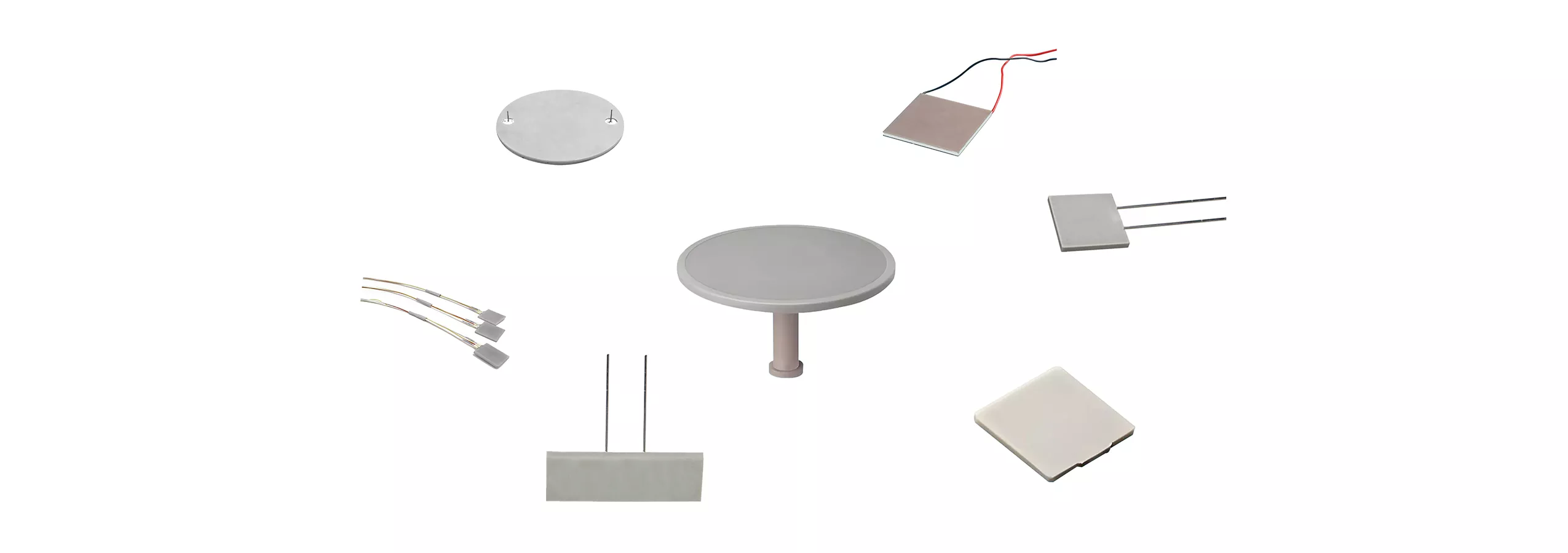
What is a Ceramic Heater?
A ceramic heater is a heating device that features a Positive Temperature Coefficient (PTC). Ceramics are the main manufacturing element of the ceramic heater.
Ceramic heaters generate heat through resistive heating. The resistance of this PTC heating equipment increases with its internal temperature increase. Ceramic heaters have high electrical resistance, heat transfer performance, durability, and strength.
Mayoría calentadores de cerámica are made of refined ceramics, but some are made of composite materials to gain the properties of both ceramics and metals. Popular uses of ceramic heaters are in space heating and industrial applications such as melting, boiling, molding, and drying.
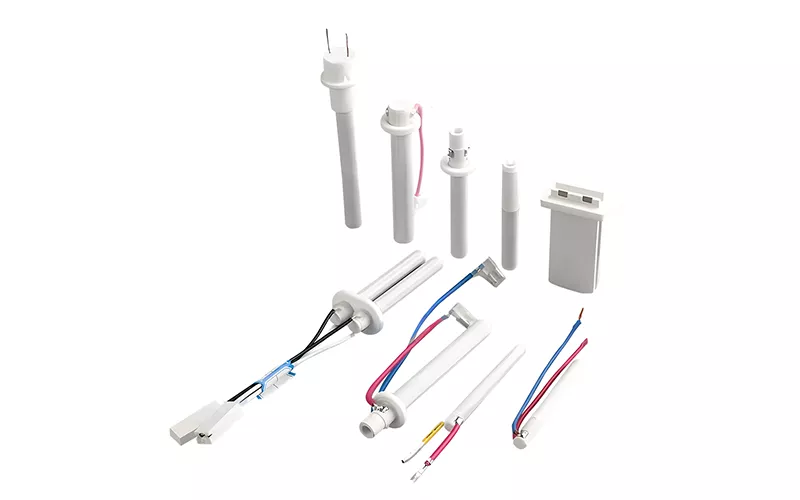
Alumina ceramic heating elements
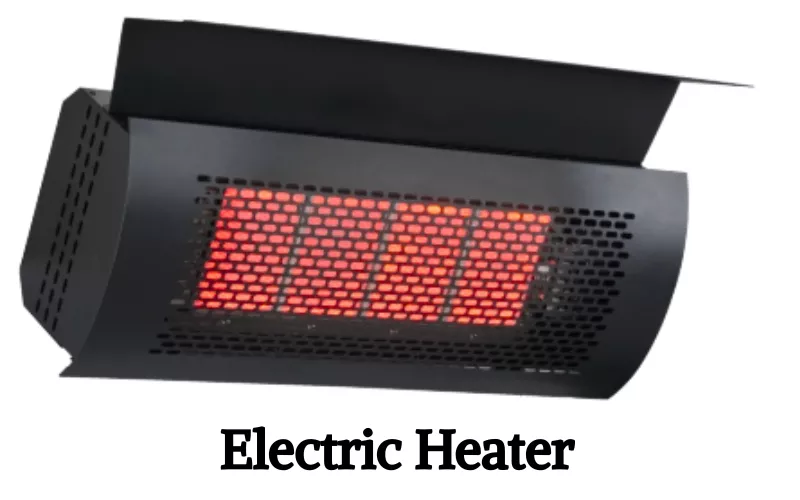
What is an Electric Heater?
An electric heater is a heating device that converts electricity into heat energy through a resistive circuit. This device has a few free electrons and high resistance. The heater coil cannot carry electricity smoothly. When electrons try to pass through the coil, they encounter extreme resistance, which results in heat energy.
El electric heater is highly efficient but expensive due to the substantial energy consumption. They usually require lower upfront and installation cost that makes them popular among consumers. Electric heaters are generally coated with plastic to minimize energy loss and prevent electric shocks, especially for household use.
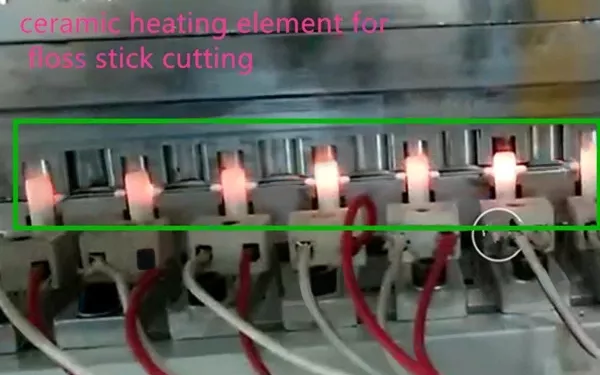
water-flosser-ceramic-heater-usage
What is The Operating Principle of a ceramic heater?
The basis of ceramic heater operation is the Joule-Lenz law and resistive heating. Joule-Lenz law also clarifies how ceramic heaters transform electricity into heat.
Joule-Lenz law states that when electricity passes through conductors, electric energy is converted to heat energy (Q). This heat energy is directly proportional to the square of the current flow, the conductor resistance, and the time. This relationship is represented as Q = I²Rt, which is the basis of fast, efficient, and compact ceramic heater manufacturing.
What is The Operating Principle of an Electric Heater?
The coil of an electric heater is made of high-resistance material such as nichrome and is placed in a housing. The whole system works together to convert electrical energy into thermal energy. When electricity is applied to the electric heater, an electric current passes through the coil, which faces high resistance.
This high resistance of the coil resists electron-flow and generates heat inside. This heat goes through the space by radiation and raises the temperature. Modern electric heaters use a thermostat to prevent overheating. They are also equipped with overheat protection and a tip switch for safety.
There are two basic electric heaters based on heat dissipation method, i.e., radiant and infrared heaters. Radiant electric heaters convey heat directly by emitting infrared; convection-type heaters have fans for circulating air through the space.
What are the Advantages and Disadvantages of ceramic heaters?
Advantages of the ceramic heaters-
-
Easy Operation: The ceramic heaters’ operation is easy. They start warming your space just after turning on the power. If you use the right type with proper rating and properties, ceramic heaters can warm up your objects and rooms faster.
-
Environmentally Friendly: Ceramic heaters are environmentally friendly both in their construction and operation. They run using electricity, which is a clean source of energy. Ceramic heaters do not generate any toxic gases or smoke, unlike fuel-powered heaters.
-
Seguridad: Safe operation is one of the main advantages of a ceramic heater. There are fewer fire risks using ceramic heaters than fuel-powered heaters. Because they don’t need combustion to generate heat. Ceramic heaters are equipped with a ceramic heating element, which has no risk of sparking.
-
Compact Design: Modern ceramic electric heaters are compact. They can generate more heat compared to their size and allow easy placement in a small space.
-
Advanced Control System: Ceramic heaters have a control panel, thermistors, thermocouples, and thermostats for safety and control. The thermostats stop the current flow to the coil when the maximum preset temperature is reached.
-
Eficiencia energética: Ceramic electric heaters consume less energy than other heaters, and lower your energy consumption.
-
Cost Savings: As the ceramic heaters need less power, they lower your electric bills and save money. They have a longer life than other heaters, which also contributes to substantial installation costs.
Disadvantages of ceramic heaters-
-
Unwanted Noise: Ceramic convection heaters may create unwanted noise due to the built-in fans inside them.
-
Uneven Heating: Fan-driven ceramic heaters may not heat consistently and cause hot spots.
-
Not Suitable For Large Rooms: The ceramic heating device is best for small spaces and may struggle to warm up large rooms.
-
Limited Controlling and Operational Settings: Lower-priced ceramic heaters may have limitations in control systems and settings.
What Are the Advantages and Disadvantages of Electric Heaters?
Advantages of electric heaters include –
-
Sleek and Modern Design: Electric heaters are modern in design with minimal panels. They have elegant ladders and an excellent appearance that increases the beauty of your room.
-
Lower Installation Cost: Electric heaters require lower installation costs than fuel-based systems. They don’t need pipes, chimneys, and flues like the gas and oil-based heating systems. Hence, it reduces your settlement costs.
-
Smart Ecology: Modern electric heaters are smart and integrable with PV installation. They can be operated using renewable energy.
-
Minimum Maintenance: Electric heaters are compact in design and have no rotating or moving parts. That’s why they don’t require frequent repair and maintenance.
-
Consistent Performance: Consistency is one of the main advantages of Electric heaters. They can generate stable heat throughout their lifetime.
Disadvantages of electric heaters-
-
Higher Operational Costs: Electric heaters operation costs a lot, if the electric bill is high in your area. Even the energy consumption costs may be higher in peak hours.
-
Slower Heating Performance: Some electric heaters take longer to produce the necessary heat compared to oil or gas-based heaters.
Ceramic Heater vs. Electric Heater: A Comparison Table
|
Differences In |
Ceramic Heaters |
Electric Heaters |
|
Heating Technology |
Ceramic heaters use ceramic plates and aluminum baffles to generate and retain heat. |
Electric heaters have metal coils as heating elements. |
|
Disipación de calor |
They have even and consistent heat dissipation and retain temperature for a longer period |
They have uneven heat distribution and usually cool down quickly after turning off |
|
Eficiencia energética |
Ceramic heaters are more efficient |
Electric heaters are less efficient than ceramic heaters and consume more power |
|
Durabilty |
These heaters are durable with a long-lasting ceramic element |
Metallic electric heaters wear out and are not as durable as ceramic heaters |
|
Costo |
Higher initial costs |
Cheaper than ceramic heaters |
|
Poratbilty |
Ceramic heaters are portable, compact, and lightweight. |
They are usually bulkier. |
Preguntas frecuentes.
Are Ceramic Heaters Safe?
Yes, ceramic heaters are safe for home and industrial use. They have several stages of protection and safety.
Which is The Safest Electric Heater?
The safest electric heaters are the modern ceramic electric heaters.
Conclusión: The comparison of a modern ceramic heater and tatraditional electric heater shows you the differences between them. These will help you make an informed and confident decision when purchasing heaters. Don’t forget to comment or contact us if you have any further queries.