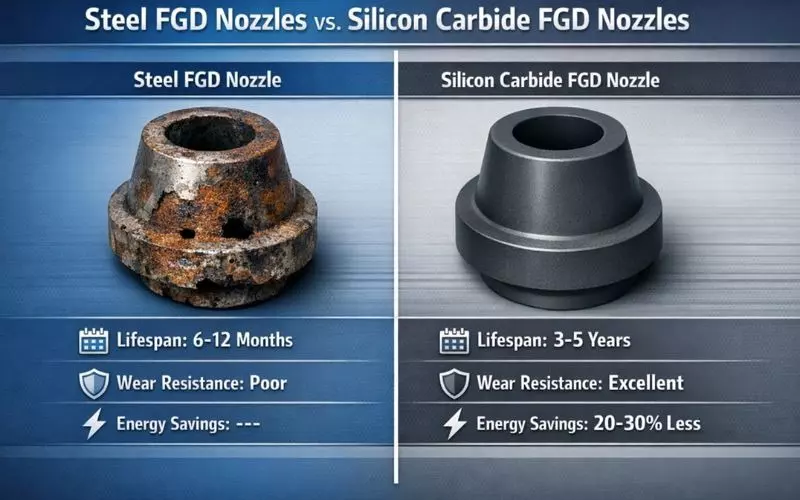
Steel desulfurization nozzles fail in 6-12 months due to wear and clogging. Silicon carbide nozzles last 3-5 years with excellent corrosion resistance. This guide covers performance comparison, total cost of ownership, supplier selection, and maintenance of FGD systems at power plants and steelworks.
What Are Silicon Carbide Desulfurization Nozzles?
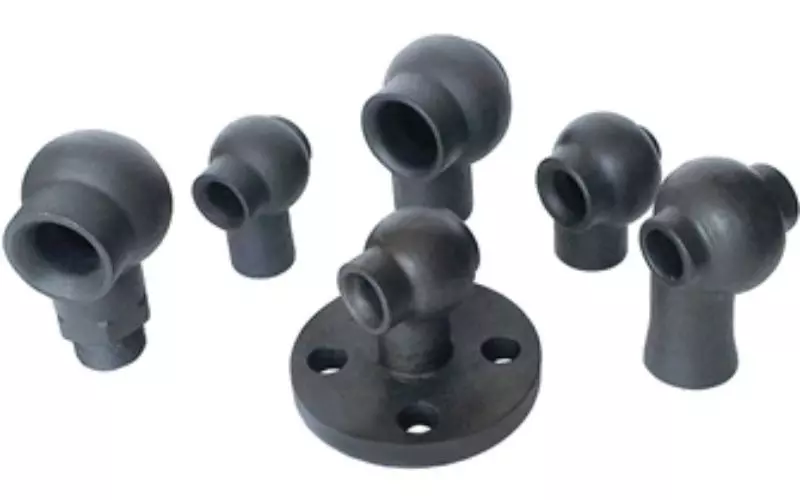
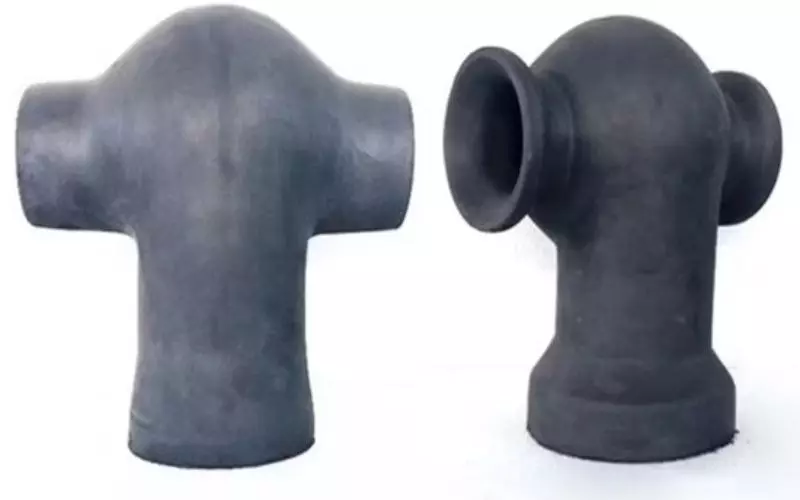
Silicon carbide nozzles spray limestone slurry in the FGD tower to remove sulfur dioxide from exhaust gas. In the design of silicon carbide desulfurization nozzles, advanced ceramics are used instead of steel.
The FGD system brings harsh environments to the nozzle. Limestone slurry acts like liquid sandpaper and acidic gas corrodes metal. Steel nozzles wear out in months. Reaction bonded carboneto de silício handles this far better.
Desulfurization silicon carbide nozzle types include reaction bonded and sintered. Both have better wear resistance and acid resistance than steel.
How Does Silicon Carbide Compare to Steel Nozzles?
Here’s how silicon carbide nozzle performance stacks up against traditional materials:
|
Propriedade |
Carboneto de silício |
Aço inoxidável |
Cerâmica |
|
Typical Lifespan |
3-5 years |
6-12 months |
12-18 months |
|
Resistência ao desgaste |
Excelente |
Poor |
Moderado |
|
Resistência à corrosão |
Excelente |
Moderado |
Bom |
|
Clogging Frequency |
Very Low |
Alto |
Moderado |
|
Spray Consistency |
Stays stable |
Degrades fast |
Slowly declines |
|
Relative Cost |
Higher (3-4x) |
Lower (baseline) |
Moderate (2x) |
Note: Actual cost depends on size and supplier. Please contact the manufacturer to calculate specific prices and return on investment.
The numbers are only part of the story. Steel nozzles need to be replaced three to four times a year. Silicon carbide nozzles are replaced once every three to five years.
A power plant that operates for 8,000 hours a year provides substantial savings. One facility calculates annual savings of $45,000 for parts and downtime. Initial investment is high, but typical payback period is only 18 months.
Why Use Silicon Carbide in FGD Systems?
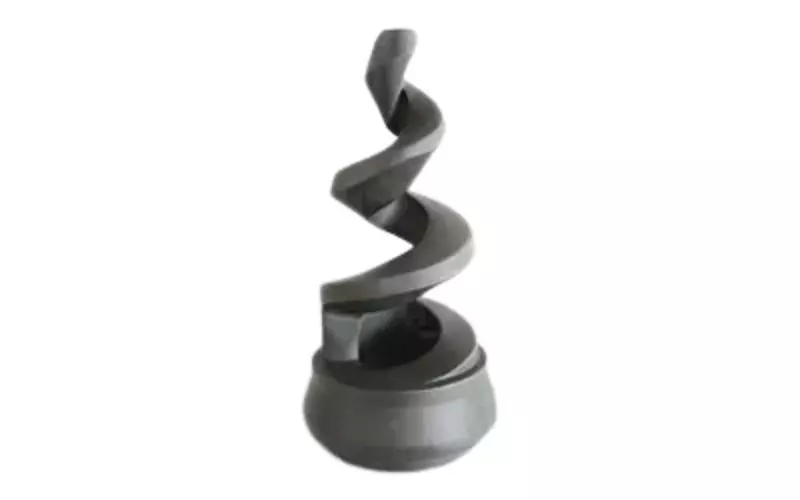
Long-lasting wear resistance
Limestone slurry moves fast in the nozzle. Steel wears rapidly. Spray holes get bigger, patterns go crooked, and the desulfurization efficiency is reduced.
The hardness of silicon carbide nozzles is Mohs hardness 9 (hardness comparable to diamond). This material resists particles that destroy steel in months.Even silicon carbide dust due to slight wear is much less than metal deterioration. Spray patterns stay consistent for several years, not weeks.
No corrosion
When sulfur dioxide and water react, acid is generated. The pH inside the scrubber drops from 1 to 2, eroding the steel from the inside.
Silicon carbide desulfurization nozzle material does not react with acid at all. Ceramic bonds are maintained even when exposed to corrosive slurry for many years, and you won’t see the pitting and holes that kill metal nozzles.
Solving clogging problems
Coarse surfaces accumulate sediment rapidly. Steel nozzles form sediments to block the spray holes.
Smooth silicon carbide seal prevents particle adhesion. Slurry keeps flowing without clogging. One steelworks reduced cleaning frequency from weekly to quarterly, reducing maintenance time to eliminate nozzle clogging by 75%.
Reduce downtime
A part of the system stops every time the nozzle changes. The true cost is not the $500 nozzle cost. $15,000 worth of production losses that workers lose while replacing parts.
The long life of silicon carbide nozzles makes maintenance time predictable. You can schedule a replacement, rather than a rushed response at the time of an emergency. After switching from steel, the facility reported a 70% reduction in emergency stoppages.
What Are the Pros and Cons?
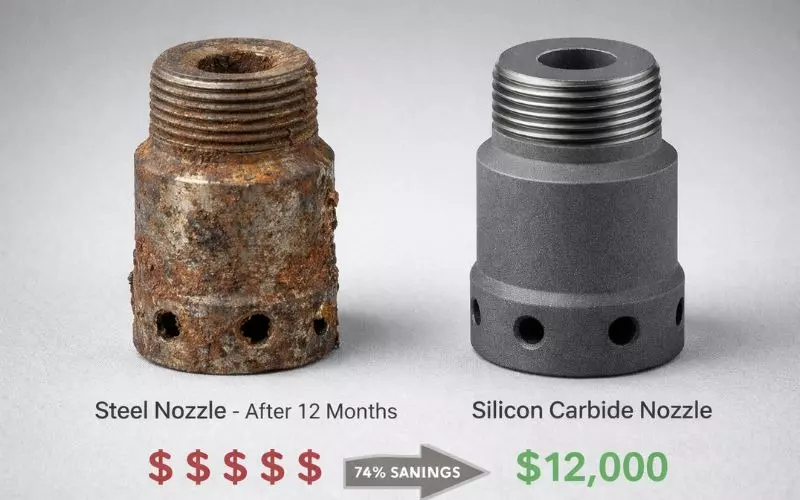
Steel/Ceramic Nozzles: Cheap Now, Expensive Later
Benefits:
-
Steel nozzles have the cheapest initial cost
-
All suppliers hold stock
-
Next Day Delivery Available
-
No special handling required
Disadvantages:
-
Limestone slurry wears steel rapidly
-
Acid corrosion attack from inside
-
Replacement is required every 6-12 months
-
Spraying pattern deteriorates at interchange intervals
-
Sulfur removal efficiency decreases over time
Example: One power plant spends $12,000 a year on steel nozzles and $35,000 more on replacement and downtime. The nozzle alone brought the total annual cost of ownership to $47,000.
Silicon Carbide Nozzles: Higher Price, Lower Long-Term Cost
Vantagens:
-
Silicon carbide nozzles run for 3-5 years without problems
-
Zero corrosion problem
-
Spraying pattern stabilized
-
Sulfur removal efficiency does not decrease
-
Lifecycle costs reduced by 60-70% compared to steel
Drawbacks:
-
Initial cost is three to four times higher
-
Ceramic damaged by falling or excessive tightening
-
Prolonged lead time
-
Pre-planning is required instead of last-minute orders
The investment recovery period is calculated in 5 years instead of 5 months. Includes replacement costs ($150/hour). Additional $8,000 per production loss during outage. SiC pays for itself in 18-24 months. After that, the cost reduction effect occurs every month.
Where Do These Nozzles Work Best?

Coal-fired power plant
FGD systems run 24 hours a day at large power plants. High sulfur coal produces harsh conditions. The downtime results in a loss of several thousand dollars per hour.
Silicon carbide mechanical seals and nozzles do not fail while enduring continuous limestone spray. Stable performance suppresses emissions. You can schedule maintenance when planning is stopped instead of an emergency stop.
Optimal Application Areas:
-
Wet scrubber
-
Limestone Slurry System
-
High Sulfur Coal Treatment
Steel Mill Emission Control
Sinter plants and coke furnace produce sulfur dioxide mixed with dust. This mixture rapidly damages the normal nozzle. Steel mills cannot tolerate production delays due to nozzle exchange.
Silicon carbide mechanical seals and nozzle units for desulfurization endure both wear and corrosion simultaneously. It continues to operate in environments where steel parts are destroyed in weeks. In steel mills, maintenance is reported to be reduced by 80% compared to conventional materials.
Main Application Areas:
-
Scrubber for sintering plant
-
Coke furnace gas cleaning
-
Integrated Steel Manufacturing Facility
Industrial Boiler Systems
Reliable emissions control is essential for chemical plants, waste-to-energy facilities and heavy oil combustion equipment. These operations have low profit margins and directly hit revenue every time there is a halt.
The reliability of silicon carbide mechanical seals and nozzles reduces maintenance requests and unexpected failures. The plant can plan annual inspection instead of monthly replacement, maintaining the predictability of the operating budget.
Main Application Areas:
-
Chemical Processing Plant
-
Waste incineration facility
-
Heavy Oil Boiler System
FGD System Upgrades
Older scrubbers are difficult to meet modern emission standards. Silicon carbide seals and nozzles are upgraded to improve performance without total reconstruction. If fine particulation is improved, sulfur removal efficiency is also improved.
A nozzle-only upgrade also improves removal efficiency by 5-10%. This often makes it possible to meet new regulations without major system renovations.
Main Application Areas:
-
Renovation Project
-
Regulatory Compliance Upgrade
-
Improvement of aging system
How Do You Pick the Right Supplier?
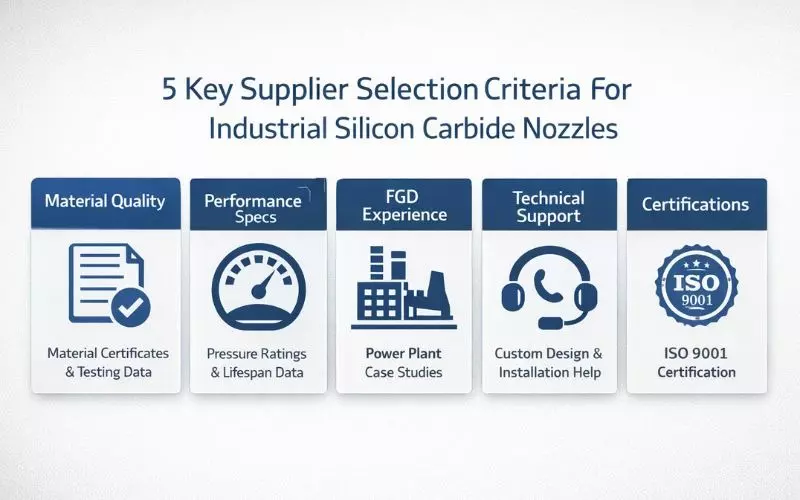
Do not choose just by price. What really matters is this:
Verifiable material quality
Contact your supplier for structural specifications and material testing processes for silicon carbide. High quality silicon carbide nozzles require uniform density and purity. Get a certificate before ordering. If there is no test data, the quality per lot is unstable and causes early failure.
System Performance Data
Request specific specifications:
-
Maximum injection pressure rating
-
Slurry Concentration Limit
-
Expected lifetime under conditions of use
-
Surface load capacity
The specification of reaction bonded silicon carbide must match perfectly with the customer’s flue desulfurization (FGD) parameters. Ensure that silicon carbide seals are compatible with your specific system pressure and temperature requirements. Suppliers with no power plant experience cannot understand your needs.
Actual FGD performance
-
See Case Studies in Industry
-
Request Direct Contact Customer Referral
-
Confirmation of supply to other power plants and steel plants
Excellent suppliers help you select nozzles and troubleshoot them. The average supplier simply ships the box.
Technical Support System
Can custom nozzle design, installation guidance, trouble response Silicon carbide mechanical seals and nozzles require installation adjustments - choose a problem solver rather than order acceptance.
Acquisition of appropriate certification
Minimum ISO 9001 certification confirmed. Consistent manufacturing process ensures stable nozzle performance per lot.
How Can You Make Nozzles Last Longer?
Handle Installation Carefully
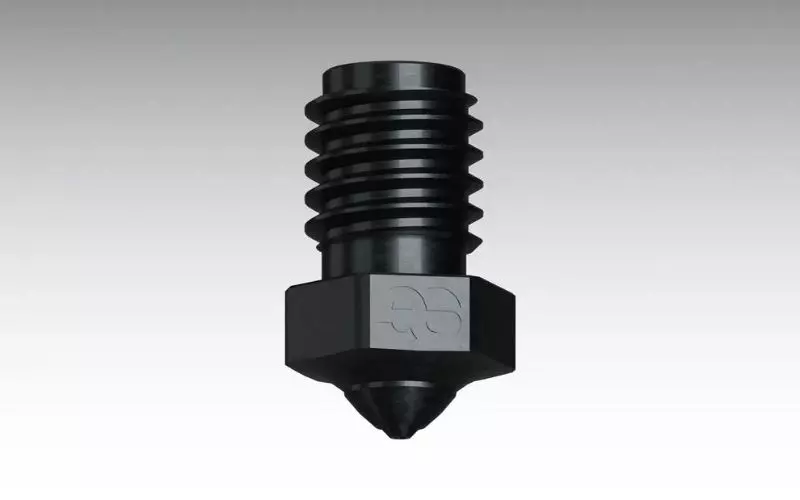
Silicon carbide mechanical seals and nozzles are damaged by falling and cross-threading during installation. Violent handling creates weaknesses and causes failure at system startup.
Installation Notes:
-
Use padded tools when moving the nozzle
-
Follow torque specs exactly - Do not tighten forcibly
-
Check gasket position before bolting
-
Never force anything
The replacement cost of a single nozzle is $800-1,500. Careful handling is effective immediately.
Follow Operating Guidelines
Operating outside the design parameter greatly reduces nozzle life. Slurry solids excess accelerates wear. Excessive pressure puts stress on ceramic materials.
Best Practices:
-
Maintains recommended slurry concentrations (10-15% solid content)
-
Hold injection pressure within manufacturer design range
-
Monitor rapid changes in pressure gauges
-
Do not run the system empty (cause of choque térmico)
Periodic inspection
Discover the problem before causing a forced stop. Set a regular inspection schedule.
Monthly Inspection:
-
Check the injection pattern in operation
-
Check for uneven patterns (signs of wear and clogging)
-
Inspect leaks around gaskets
Quarterly Maintenance:
-
Remove sample nozzle and measure orifice dimensions
-
Compare measured values with reference data
-
Check for cracks and chips
-
Inspect silicon carbide seals for wear or damage
Annual tasks:
-
Replace all gaskets even if they look okay
-
Track silicon carbide dust deposition in injection area
-
Analyze pressure log trends
Proper cleaning
Lime deposits and silicon carbide dust accumulate over time. Use approved chemical cleaning agents instead of wire brushes or metal scrapers. Soaking works better than scraping. There is also a plant with excellent results in ultrasonic cleaning.
Don’t blast nozzles with high-pressure washers. The impact may cause cracks in ceramic materials.
Know When to Replace
Do not wait for a catastrophic breakdown. Replace the nozzle if you see the following symptoms:
-
Spraying pattern distortion (uneven coating in the tower)
-
Reduced atomization quality (formation of large droplets)
-
When wear of nozzle hole diameter exceeds 10% of initial diameter
-
When visible cracks or chips occur in the ceramic part
-
Sudden pressure changes in spray header
Plan the replacement during the planned suspension period and not during emergency shutdowns. Emergency nozzle replacement costs three to four times as much as planning maintenance.
Common Questions
Why silicon carbide nozzles are more expensive than steel?
The production of silicon carbide by reaction bonding requires ultra-high purity materials and special processing, but because it has a life span of 3-5 years for 6-12 months of steel, SiC is cheaper when considering replacement frequency and downtime cost.
What is the life span of SiC nozzles in FGD systems?
Typical limestone slurry systems have a lifespan of 3-5 years. There are reports of more than 6 years depending on the power plant, and 2-3 years depending on the dust load at the steel mill.
Is silicon carbide nozzle compatible with high solids slurry?
Yes, silicon carbide desulfurization nozzle design can accommodate up to 20% solid concentration. However, most FGD systems operate with a solid concentration of 10% to 15% for optimal balance.
What is the payback period by switching to SiC?
If you calculate by adding labor costs and downtime losses to the amount that multiplied the replacement frequency to the cost of steel nozzles, most facilities break even within 18-24 months. For plants with high downtime, the payback period is less than 12 months.
How should I determine when to change the nozzle?
If the spraying pattern is disturbed, the orifice wear exceeds 10%, or the crack is visually confirmed. In many plants, 80-90% of the expected service life is replaced during planned maintenance.
Do SiC nozzles work in FGD systems?
Yes, the corrosion resistance of silicon carbide nozzles is in the saltwater environment and does not react with chloride unlike stainless steel, which is vulnerable to chloride stress corrosion.
Which power plants are used successfully?
More than 500MW large coal-fired power plants in the United States and Europe adopt silicon carbide desulfurization nozzle technology, and are widely used in steel mills in China, Japan and Germany.
Conclusão
Silicon carbide nozzles provide 3-5 years of service life for 6-12 months of steel nozzles, reducing the cost and downtime of replacing FGD systems. If operating costs and system reliability are of utmost importance at power plants and steel plants, choose SiC.
Please consult about FGD application. For nozzle specifications and performance analysis, please contato our engineering team.