Proper ceramic heater selection ensures safety, reliability, efficiency, and long-term performance. If you struggle to choose the right 陶瓷加热器, this guide will help you. Here, you will learn about importance, types, and key selection factors. Let’s begin.
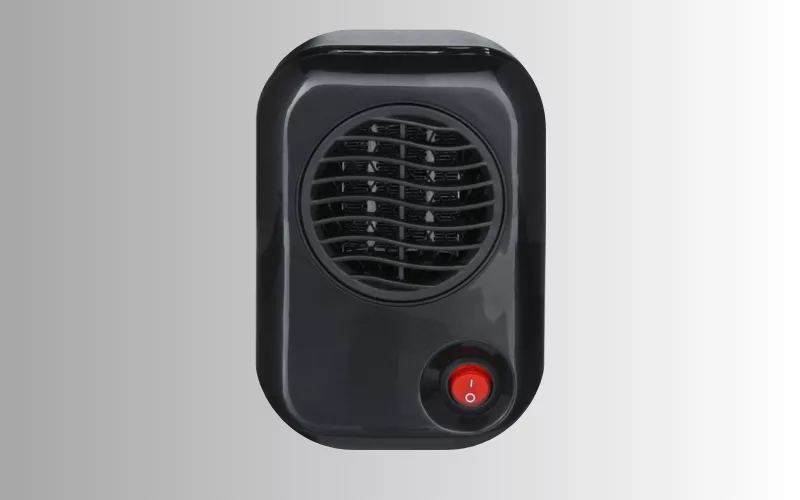
Why Is the Right Ceramic Heater Selection Important?
Choosing the right ceramic heater elements directly influences your heater performance, comfort, and electric bills. Here are the explanations to assist you with your heating device selection.
-
能源效率: The energy efficiency of a heater indicates the rate at which electrical energy is converted into thermal energy. A higher-efficiency advanced ceramic heater reduces your energy consumption in many ways.
Hence, try to choose your heater with 85-90% of electric power to heat energy conversion efficiency.
-
Safety Issues: Safety is the main concern with a heating element. Selecting a heater with UL and ETL certification may ensure the safety of your heating device.
A safe heater has safety features such as tip-over switches, overheat protection, and a cool-touch exterior. Generally, a ceramic heater does not have any open heating coils or elements for safety.
-
Size and Performance: Choosing the proper size is essential for heating performance. A too-small heater may fail to heat a large room, and an oversized one can consume more power than you require.
-
Comfort: Only the right heater selection can ensure comfort for your home or office. When you select perfect heaters, they heat consistently through their self-regulating technology to maintain a comfortable temperature.
Ceramic heaters use positive temperature coefficient (PTC) technology for temperature regulation and hot and cold spot prevention in your spaces.
-
可移植性: Sometimes you may need to change the heater location. Hence, consider the portability of the 陶瓷加热器 to move it as required.
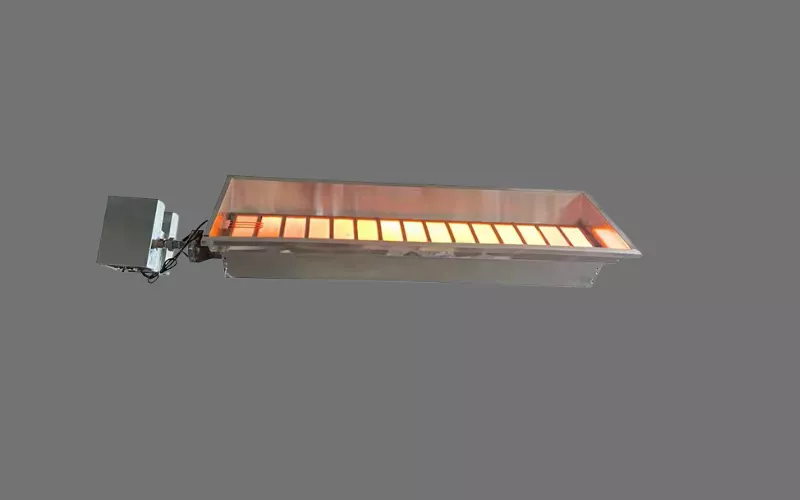
What to Know When Choosing a Ceramic Heater?
You have to consider several factors when selecting a ceramic heater for any specific applications. Because different heaters are better for different heating purposes. Matching the right model and proper temperature ranges to your needs ensures you get efficient performance and prevents overheating.
Necessary Temperature: First, learn the required maximum temperature for your space. The heater you select must be rated for the required temperature for the intended use. There are heaters for high-temperature applications and moderate uses. Hence, consider:
-
The maximum temperatures you need to maintain
-
What stable temperature do you need
-
How fast temperature changes are suited to your application.
Environmental Issues: The location and the environment of the ceramic heater where you use your heater should be considered seriously. Because humidity, moisture, chemical exposure, and vacuum conditions may mean you need a special-featured ceramic heater.
For example, some 陶瓷加热器 are specially designed for harsh industrial applications to prevent corrosion.
Rated Power: The heating capacity of a ceramic heater depends on its rated power, expressed in watts or kilowatts. Generally, high-rated heaters have more capacity than lower-rated ones. You will find a small space needs a few watts, or a large hall room a high-wattage heater.
-
Rated power in wattage
-
Heating time
-
Efficiency (electrical energy converting capacity to heat energy)
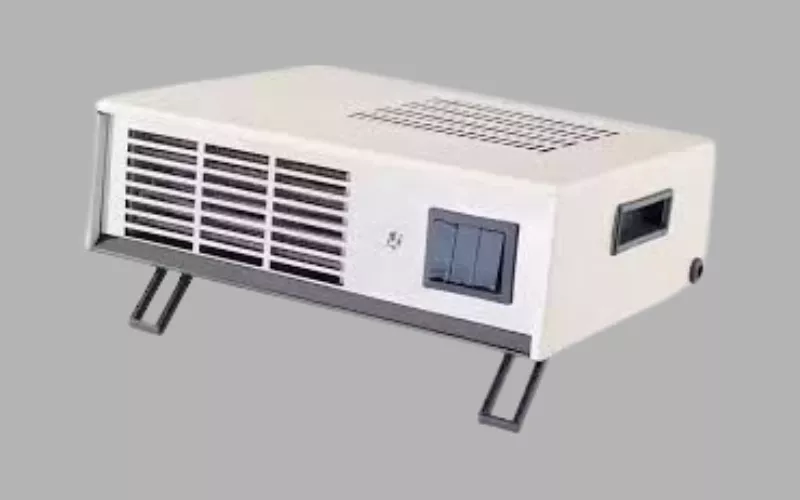
Size and Model: The shape and size of the ceramic space heater are important to ensure compatibility with your space or device. So, you have to consider the design, model, shape, and size for the heater placement.
For small critical systems or congested areas, choose a compactly designed, efficient model. Key considerations regarding the physical dimensions of the heater are:
-
Size of the heater
-
Compatibility
-
Installation requirements
Costing: You need to balance cost and performance when purchasing a ceramic heater. Select a budget-friendly model for less necessary short-term use and a high-performance, expensive one for long-term critical use.
Moreover, don’t forget to consider maintenance and replacement expenses during your heater selection process. Your overall budget regarding costing may include:
-
Purchasing cost
-
Maintaining costs over time
-
Cost vs. performance balance check
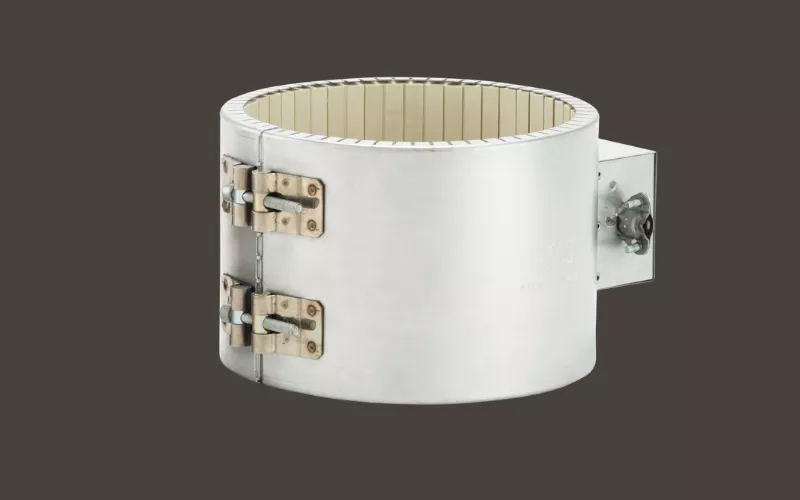
Key Consideration Table for Ceramic Heater Selection:
|
Considering Factors |
Consideration |
Standard Example |
Why it Matters |
|
温度 |
Max required temperature |
20-22°C for home and office, and 1200 °C for industrial applications |
To avoid overheating and performance issues |
|
Environmental Conditions |
Exposure to humidity, moisture, chemicals, and corrosive agents |
Commercial kitchens, food processing plants, greenhouses, laboratories, fertilizer plants |
To learn the heater types and specialization |
|
Rated Power & Efficiency |
Power rating, heating speed (heat-up time), energy conversion efficiency |
Industrial ceramic heaters may be rated up to 10000 watts (10 kW). |
For selecting the perfect capacity of the heater |
|
Size, Shape & Model |
Physical dimensions relative to space, design, and fitting compatibility, installation requirements |
A semiconductor etching chamber require thin and flat ceramic heater |
For preventing size mismatch with your system |
|
Cost & Budget |
Purchase cost vs. performance |
A plastic extrusion factory needs a low-cost ceramic heater |
To balance between investment and performance over time. |
|
Safety Features |
Built-in overheat protection, tip-over or automatic shutoff, and thermostatic controls |
Bedrooms, home offices, dorms, living rooms, and bathrooms require ceramic heaters with advanced safety features |
For human safety and stable warming |
|
额定电压 |
The heater’s rated voltage matches your power supply |
120V for the US and North America, 230/240V for Europe and other regions’ offices and homes |
Avoids electrical mismatches and damage |
What Are The Types of Ceramic Heaters?
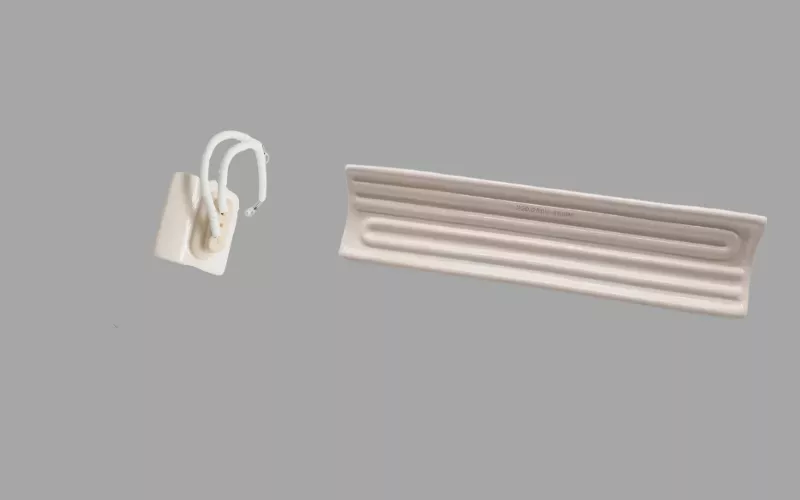
Infrared Ceramic Heaters: The heaters that dissipate heat through radiation, conduction, or convection are known as infrared heaters. You will find it is one of the most popular heating elements with diverse applications in many industries.
Infrared heaters can create heat up to 750°C by generating 2-10 micron wavelengths. The rated voltage of it is usually 230V, and the wattage ranges from 100W to 1000W.
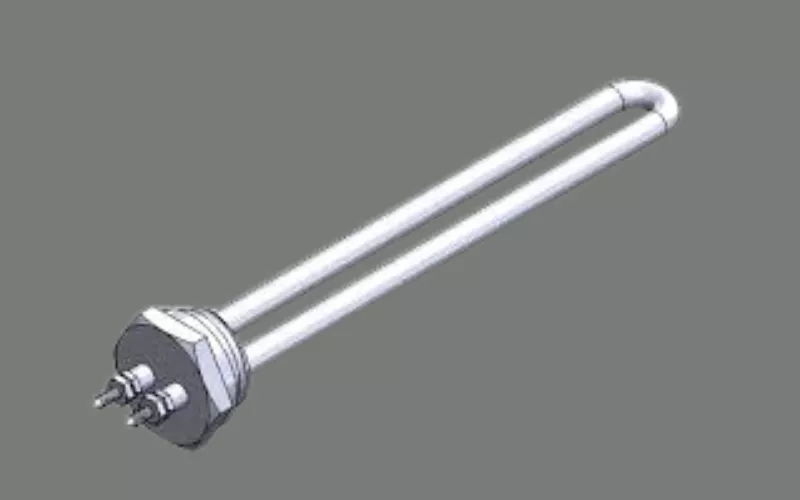
Plate Heaters: Plate ceramic heaters are simple in design and easy to install. Its manufacturing process is easier than that of other heaters.
PTC ceramic heaters: You should note that the PTC electric heaters have PTC 陶瓷加热 technology for heat generation. The PTC stands for Positive Temperature Coefficient, which indicates the inherent material’s property.
Ceramic Immersion Heaters: Immersion heaters are used in industrial applications to directly heat liquids (chemical solutions, oil, and water). Titanium, steel, copper, stainless steel, and some alloys such as Incoloy 800 and Incoloy 600 are the key materials of immersion heaters.
常见问题
Are ceramic heaters better than others?
Ceramic heaters are safe, efficient, and advanced in features. They perform better than other traditional heaters.
What type of heater is best?
Radiant 陶瓷加热器 are the best for quick heating, and the convection heater is for warming the entire space of your room. Combination heaters are also popular for everyday use.
What are the advantages of ceramic heaters?
Ceramic heaters offer many advantages for you. Some of the most common advantages are:
-
Clean heating source
-
Easy operation
-
Safe for you and your family
-
Model and design flexibilities
-
Compact size
-
Advanced controlling and safety systems.
Where to buy a heating element for a dryer?
You can buy heating elements from different places, such as online marketplaces, specific manufacturers, and others.
结论: We expect you now understand the importance of choosing the right electric 陶瓷加热器. Never forget to cross-check the properties and capabilities of the ceramic heaters with your requirements before you make any purchase.
Otherwise, you are risk affecting your comfort, wasting your money, or falling into safety issues in the future.