Ceramic Manufacturing - Injection Molding
Ceramic Injection Molding (CIM) is a manufacturing process that utilizes injection molding technology to produce complex engineering ceramic parts.
GORGEOUS CERAMICS (GGS) has been deeply involved in the CIM manufacturing field for many years, focusing on the research and development and production of complex structures and high-precision ceramic parts, and is committed to providing customers with stable and reliable mass production solutions.
Injection molding first involves uniformly mixing ceramic powder with an organic binder to prepare a material suitable for injection molding. After molding in an injection molding machine, the material undergoes debinding and high-temperature sintering to achieve mass production of high-density, highly consistent ceramic parts.
Compared to traditional ceramic processes, CIM (Ceramic Injection Molding) can efficiently achieve the integrated molding of complex structures and ceramic parts that are difficult to produce using traditional methods. Therefore, CIM is one of the most important solutions among many molding processes.
CIM Technology
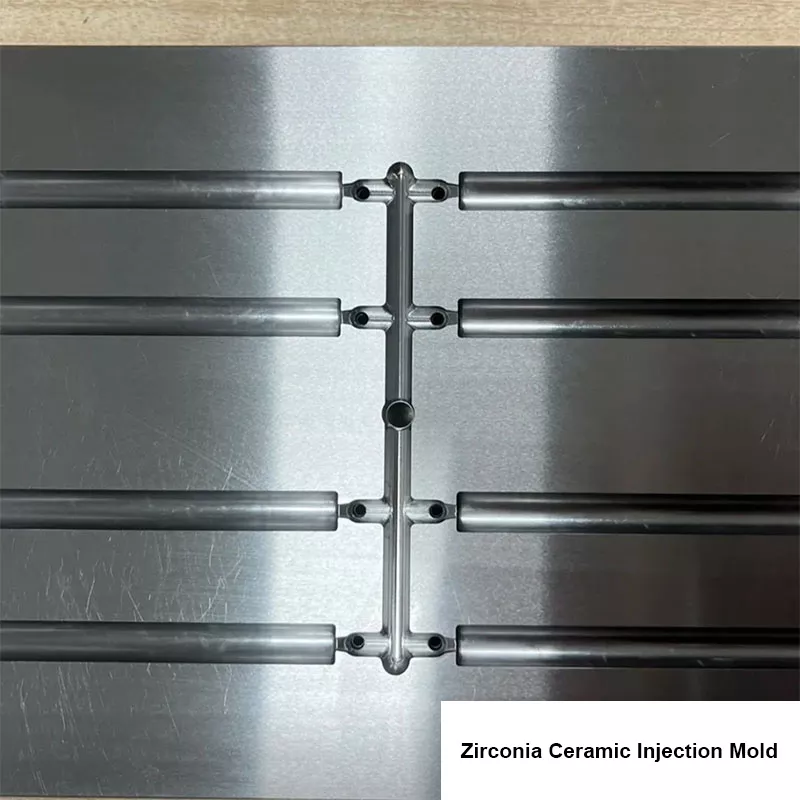
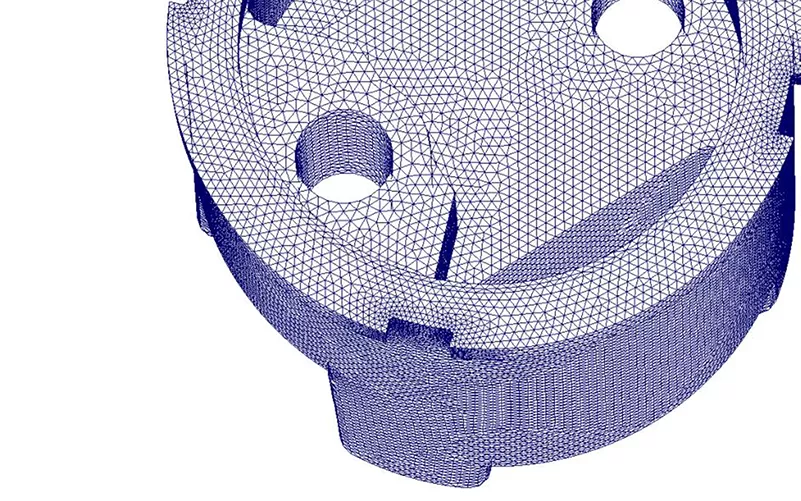
Mold Design Analysis
Traditional precision molds have long lead times and high processing costs. For small-batch production, Великолепная керамика (GGS) uses rapid mold making to validate production, resulting in shorter lead times and lower prices, offering a significant advantage.
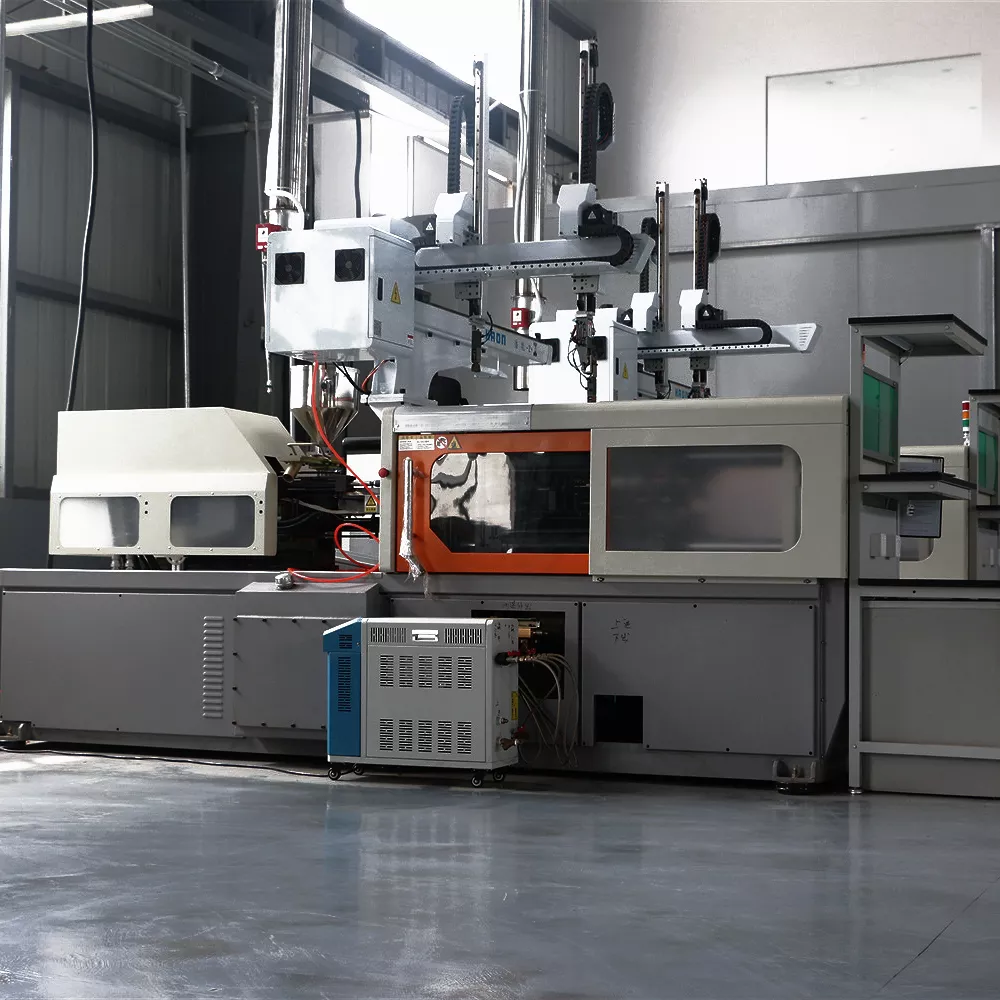
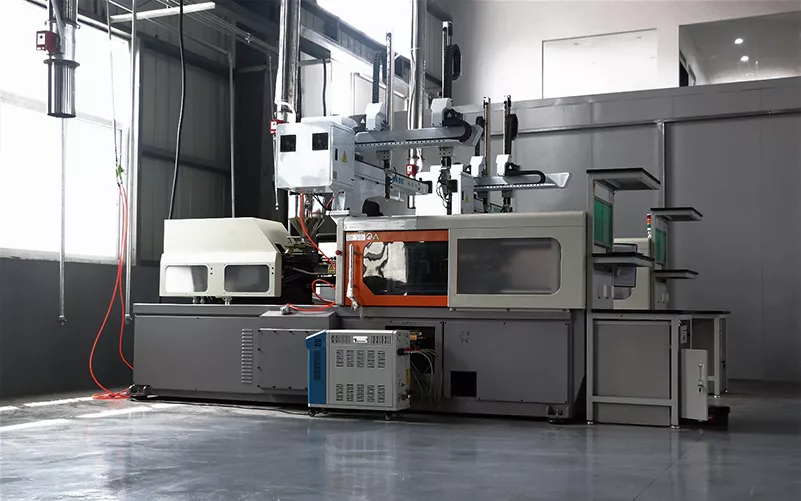
Leveraging mature ceramic injection molding (CIM) technology and multi-cavity precision mold systems, our automated CIM production lines can flexibly meet customers’ production needs from medium to large batches.
Complex ceramic structural parts: Annual capacity of 50,000 to 200,000 pieces
Small precision ceramic parts: Annual capacity of 1 million to 5 million pieces
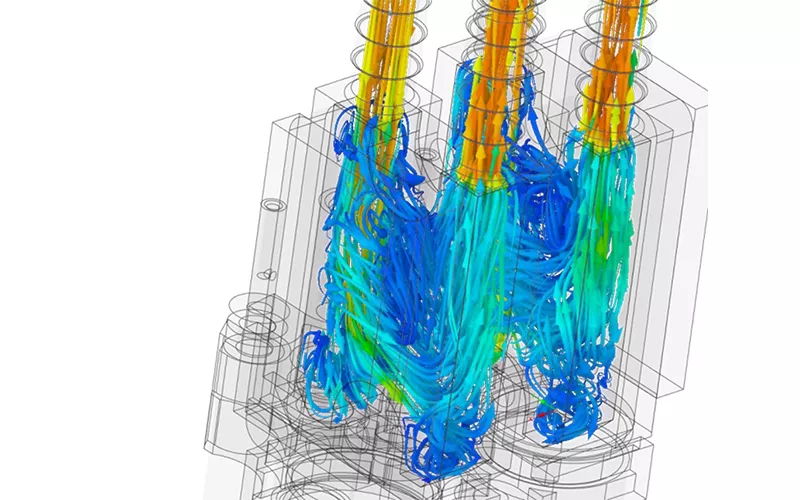
Model Flow Analysis
In CIM (Chemical Injection Molding) processes, flow and filling analysis is crucial for ensuring product quality. Великолепная керамика (GGS) utilizes precise numerical simulation technology to accurately predict material flow behavior in the mold before actual production, effectively identifying potential defects in ceramic products, including microcracks, trapped air, and bubbles.
Furthermore, based on the analysis results, we optimize the design of key structural areas of the product, such as gate location and runner design, mitigating molding defects from the design stage.
Application Analysis
Великолепная керамика (GGS) performs multiphysics simulation analysis on ceramics based on the customer’s actual application, ensuring the reliable and stable performance of key mechanical, thermal, and fluid properties of ceramic products under real-world operating conditions.
In this way, we can identify potential failure risks in advance during the product development phase and optimize the ceramic structure accordingly, reducing trial-and-error costs and accelerating the development process.
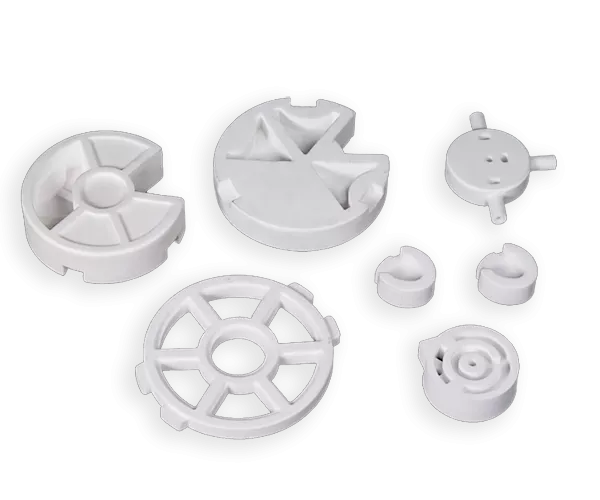
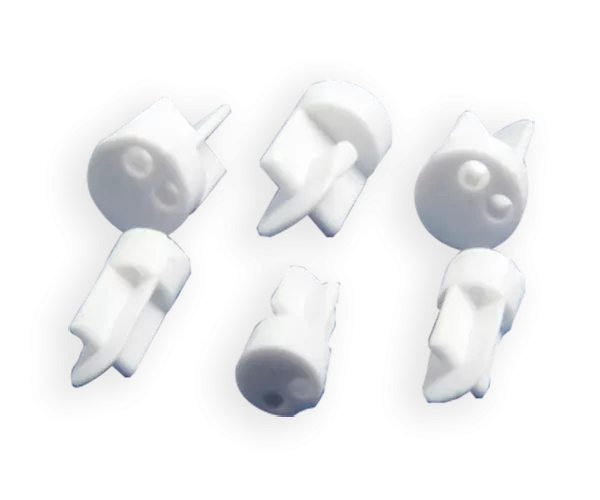
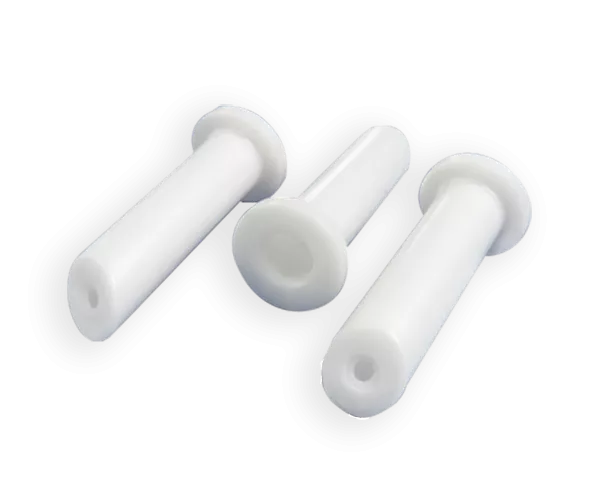
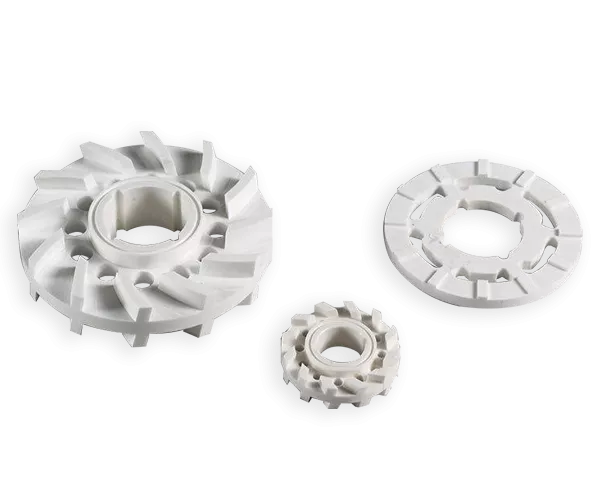
Various Complex Ceramic Components Can be Customized
Ceramic injection molding (CIM) enables the fabrication of complex geometries and precision designs that are difficult to achieve with traditional ceramic molding processes, making it an ideal solution for manufacturing highly complex and consistent ceramic parts.
With advanced injection molding equipment and mature process control capabilities, GORGEOUS CERAMICS (GGS) can reliably produce ceramic parts with high precision and high tolerance requirements. Tolerance accuracy can reach 0.3%, minimum wall thickness can reach 0.2 mm, and minimum feature size can reach 0.1 mm.
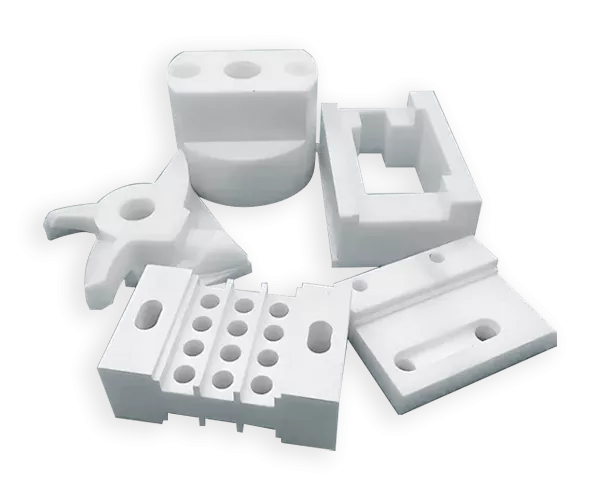
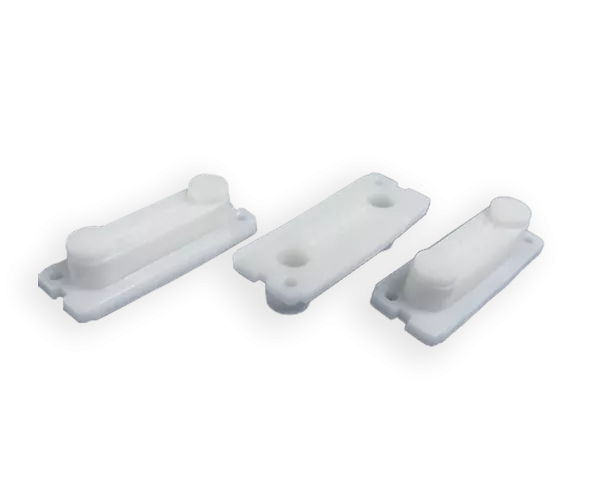
Below are injection-molded products manufactured by GORGEOUS CERAMICS (GGS).
Ceramic Injection Molding Process Flow
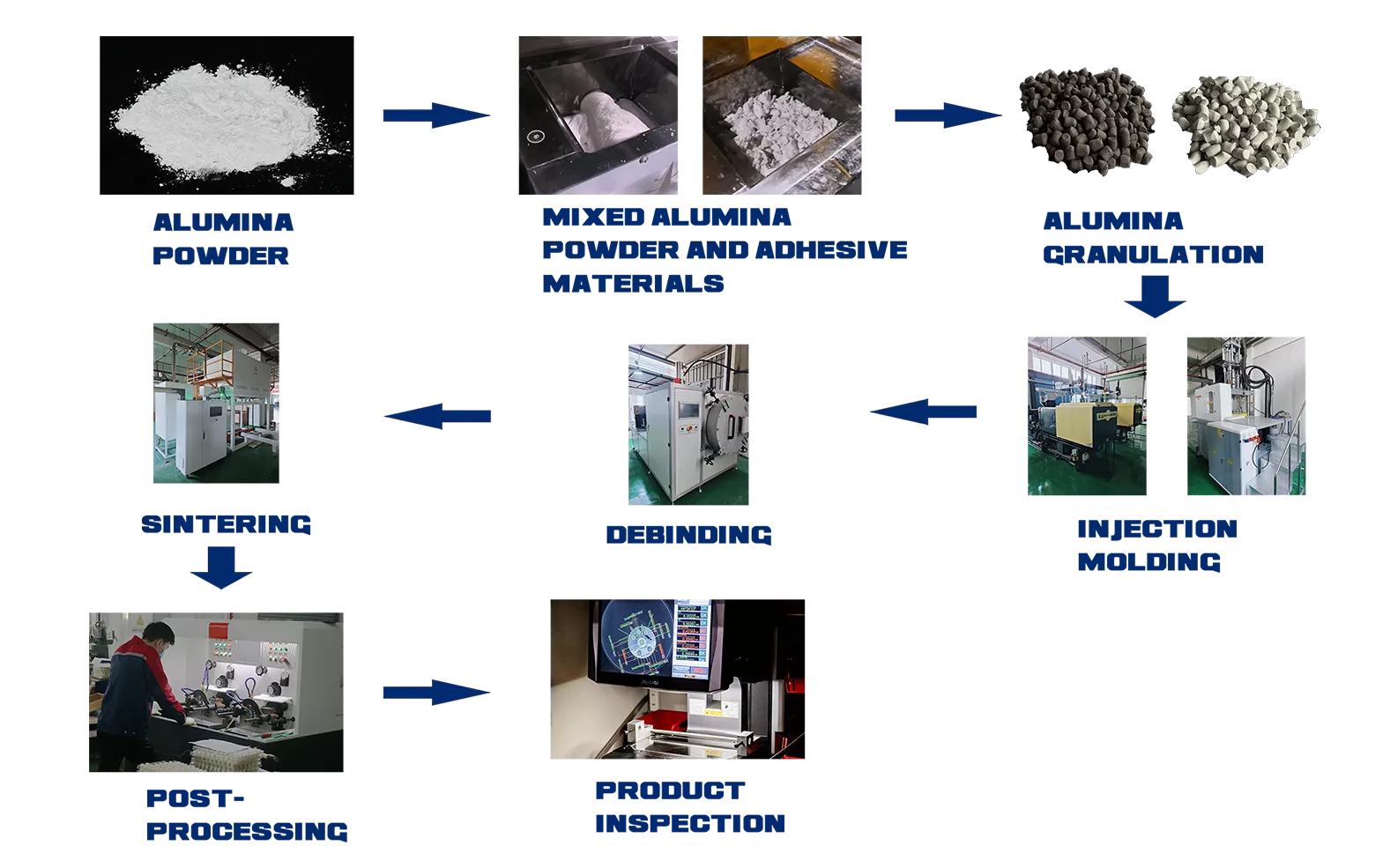
Key steps explained:
- Granulation- The ceramic powder and organic binder are precisely mixed and granulated in a controlled ratio to prepare granular raw materials suitable for injection molding.
- Injection- The raw materials are heated and melted using an injection molding machine, and then injected into a mold to form a ceramic green body of the desired shape. We support thin-walled, microporous, and other fine ceramic structures, as well as one-piece molding.
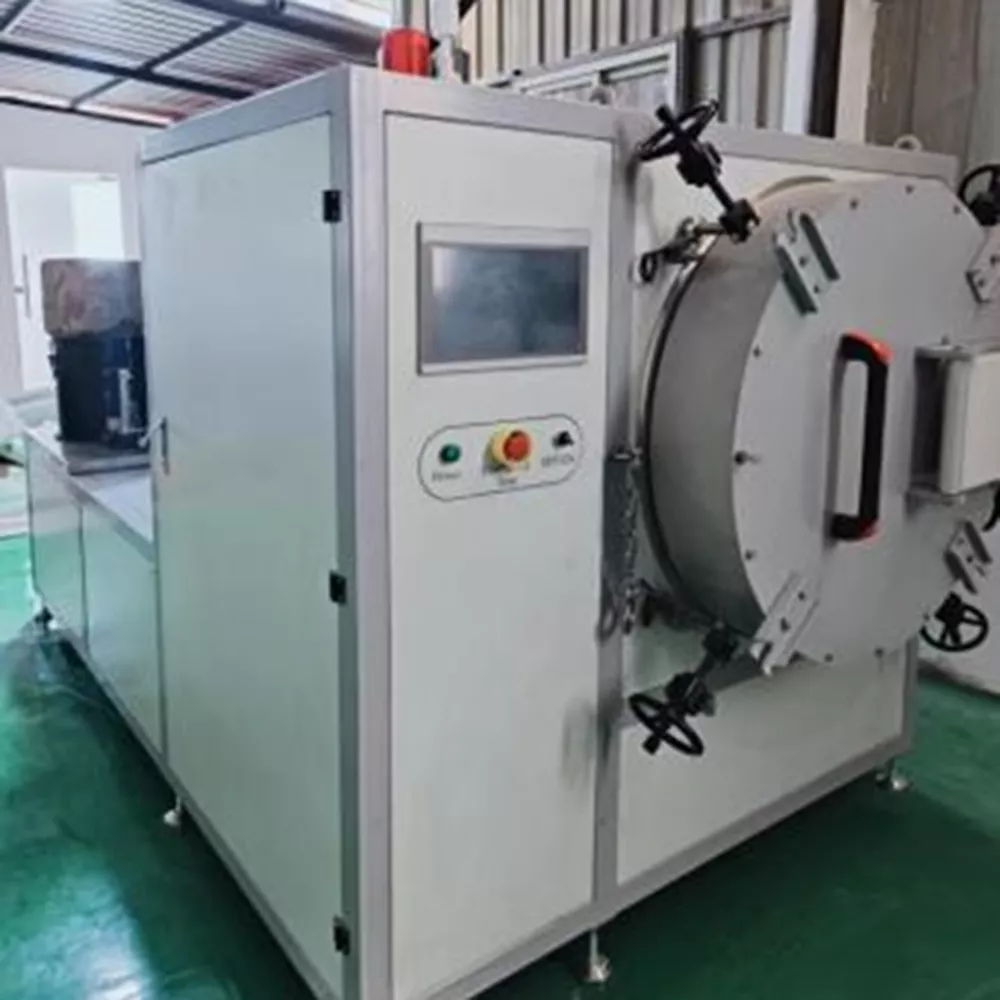
- Debinding- Precisely control the temperature and rate to remove organic binders from the ceramic body, transforming it into brown part with a certain strength.
- Sintering- The green body undergoes high-temperature densification treatment, which is then sintered under high-temperature conditions. The temperature curve is precisely controlled to ensure the performance of the ceramic product.
- Inspection- Sintered products undergo rigorous quality system testing (including dimensions, appearance, performance, etc.). Data is traceable, and quality is guaranteed.
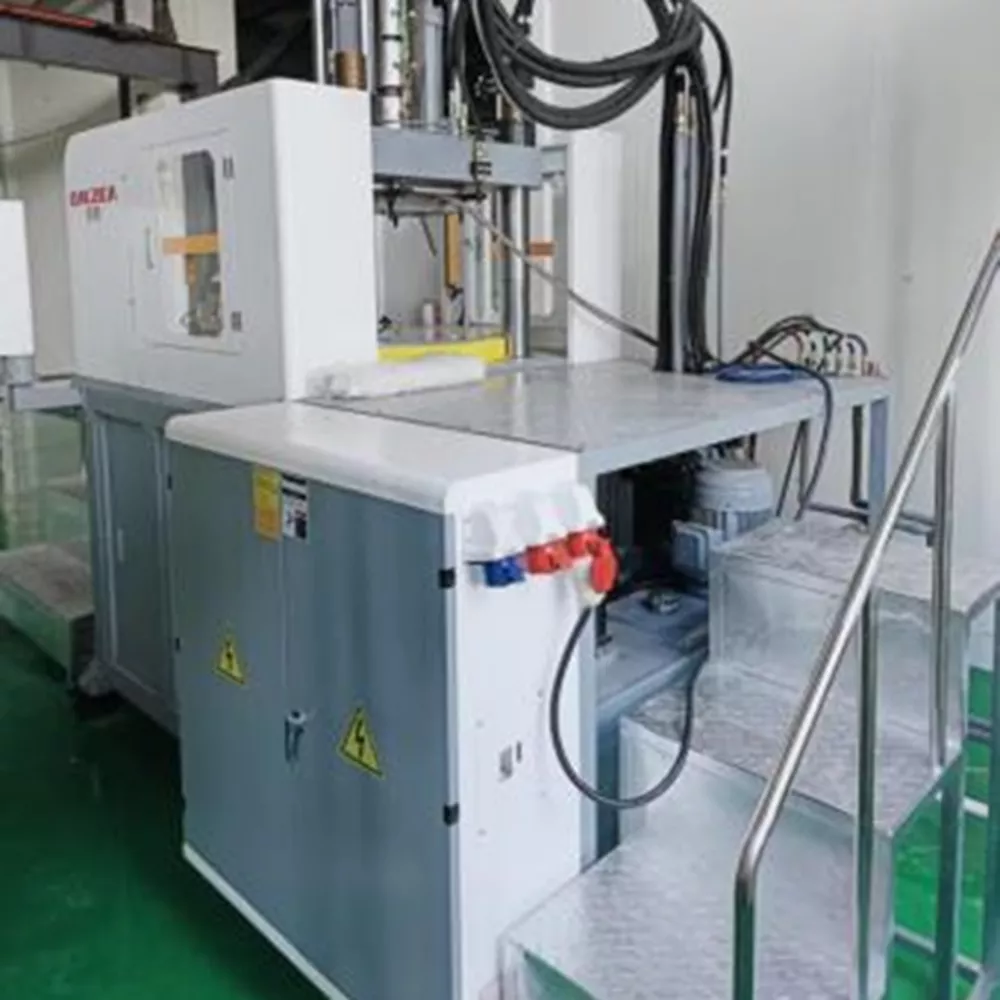
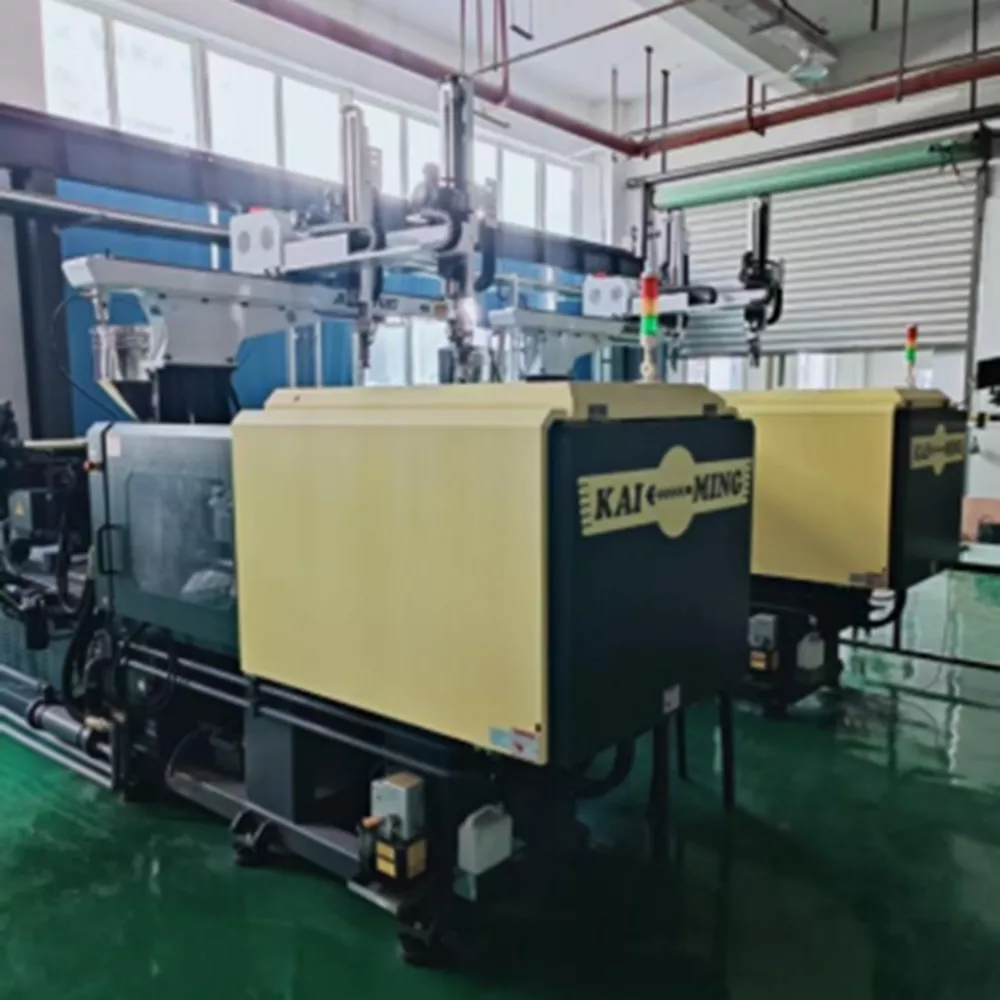
Injection Molding Equipment Display