Custom Ceramic Bearing Manufacturing Supplier
Leveraging the supply advantages of our family-owned factory, we offer highly competitive wholesale prices for ceramic bearings and customized products (including your logo) to enhance product quality and meet your customers’ needs.
What are Ceramic Bearings?
Ceramic bearings are high-performance bearings primarily made of advanced ceramic materials. They can be divided into all-ceramic bearings and hybrid ceramic bearings. Hybrid bearings combine ceramic balls with a steel bearing inner ring.
Compared to traditional steel bearings, ceramic bearings offer superior speed and performance, and can operate in humid, chemically corrosive, acidic, and seawater environments.
These bearings are mainly used in electric vehicle motors, high-speed motors, CNC machine tools, dental handpieces, MRI-compatible systems, seawater systems, pumps and valves, and food and pharmaceutical machinery, making them critical core mechanical components.
Ceramic Bearing Product Display
A professional Chinese manufacturer of ceramic bearings, serving the global market.
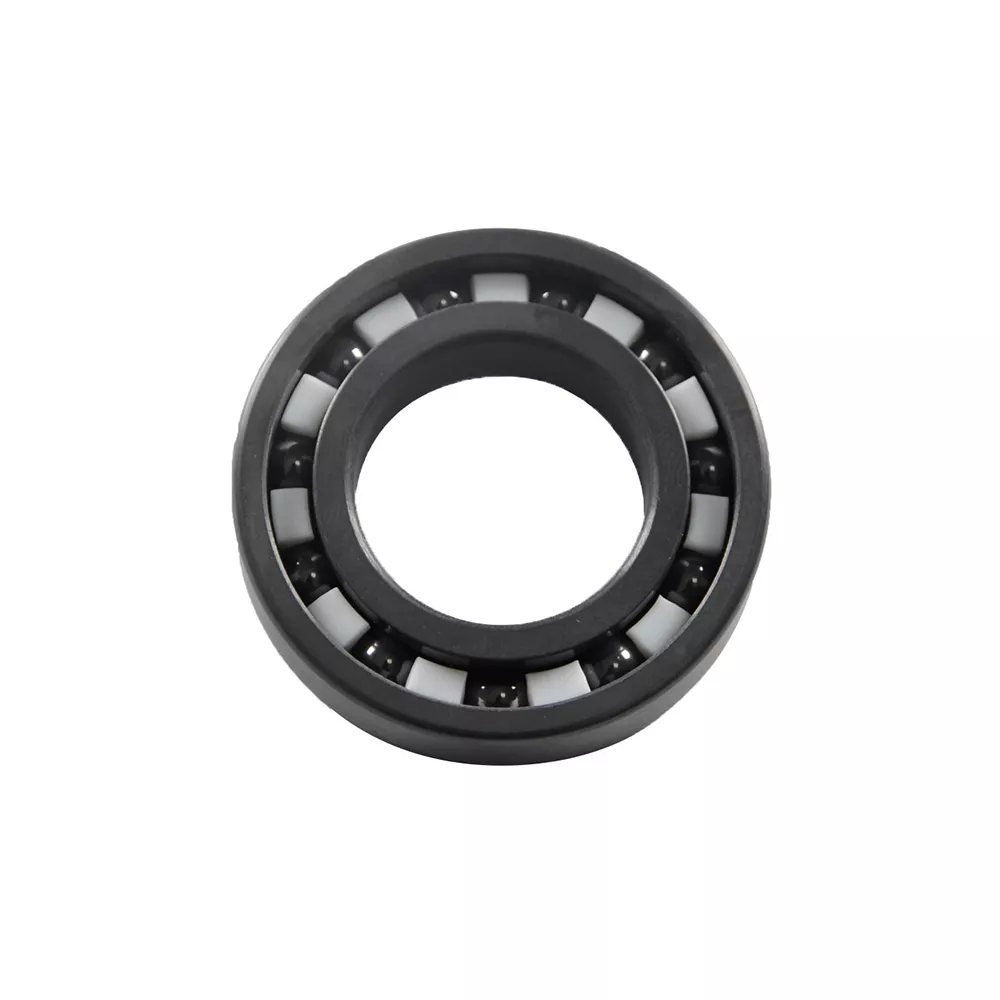
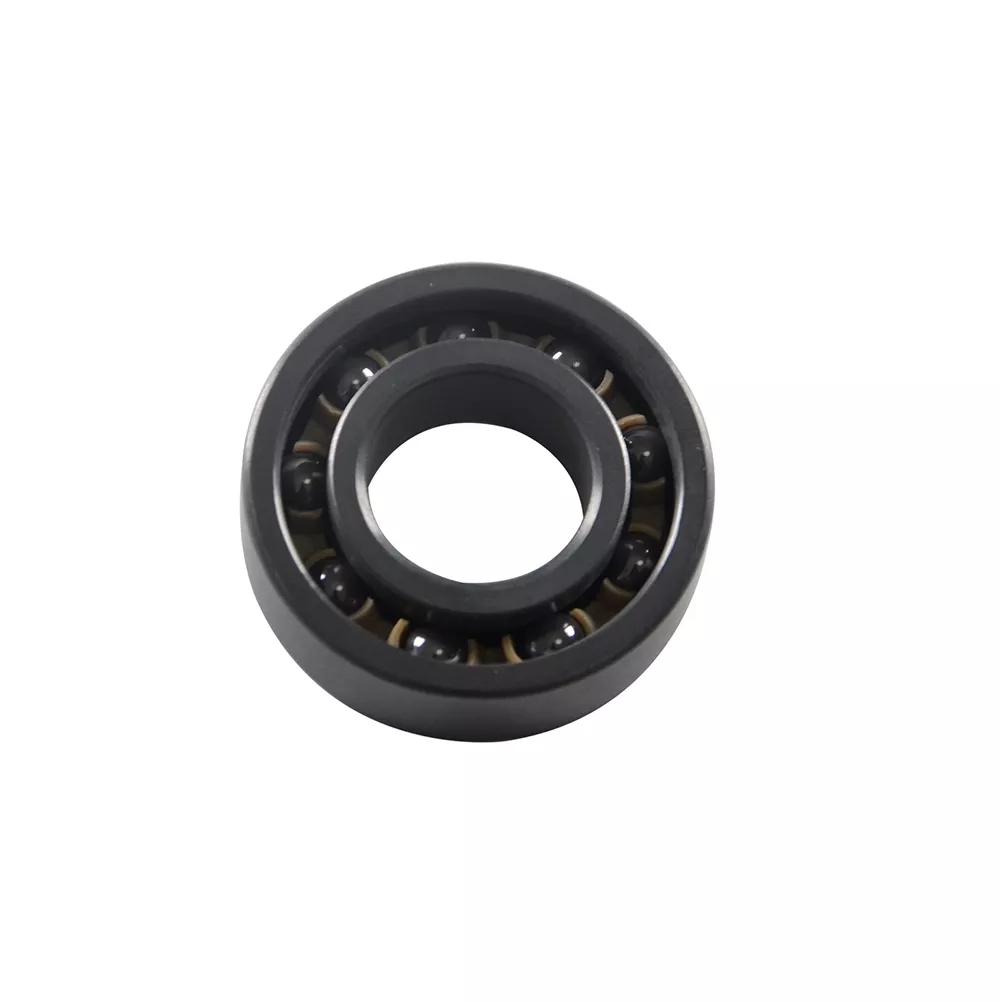
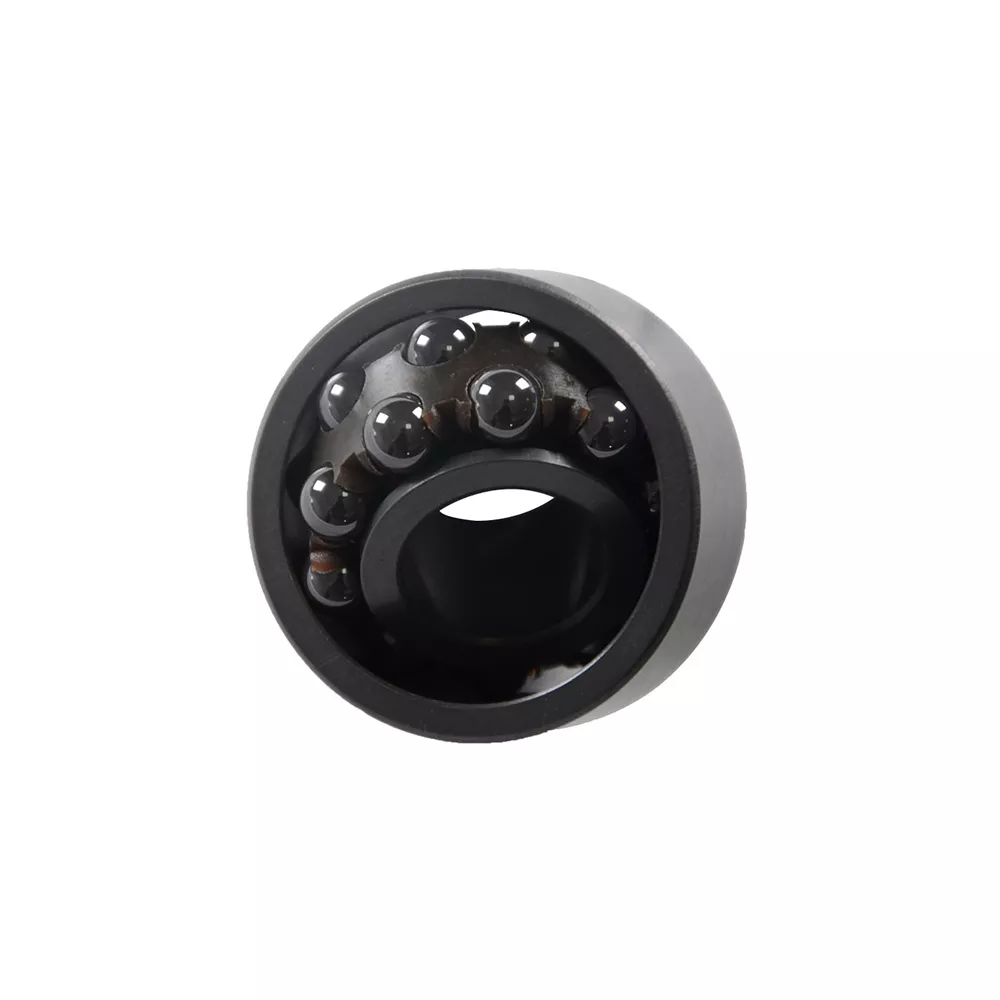
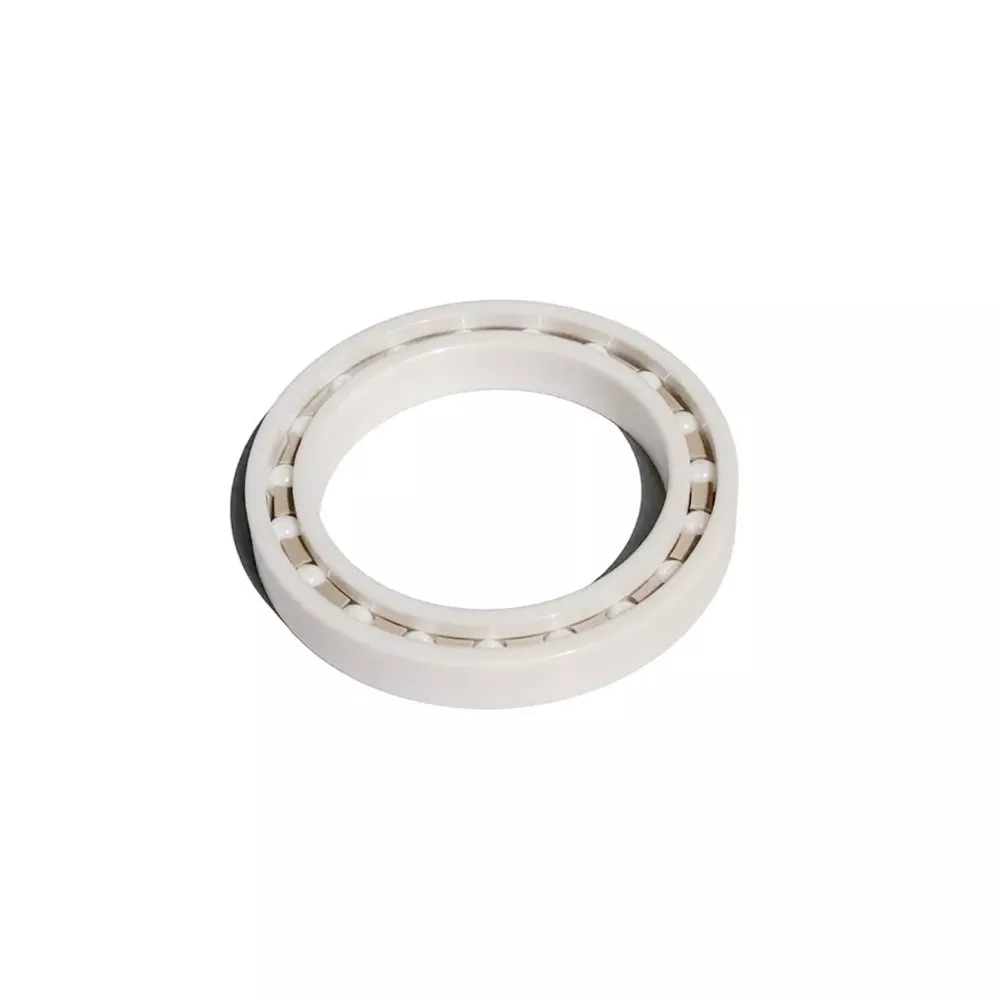
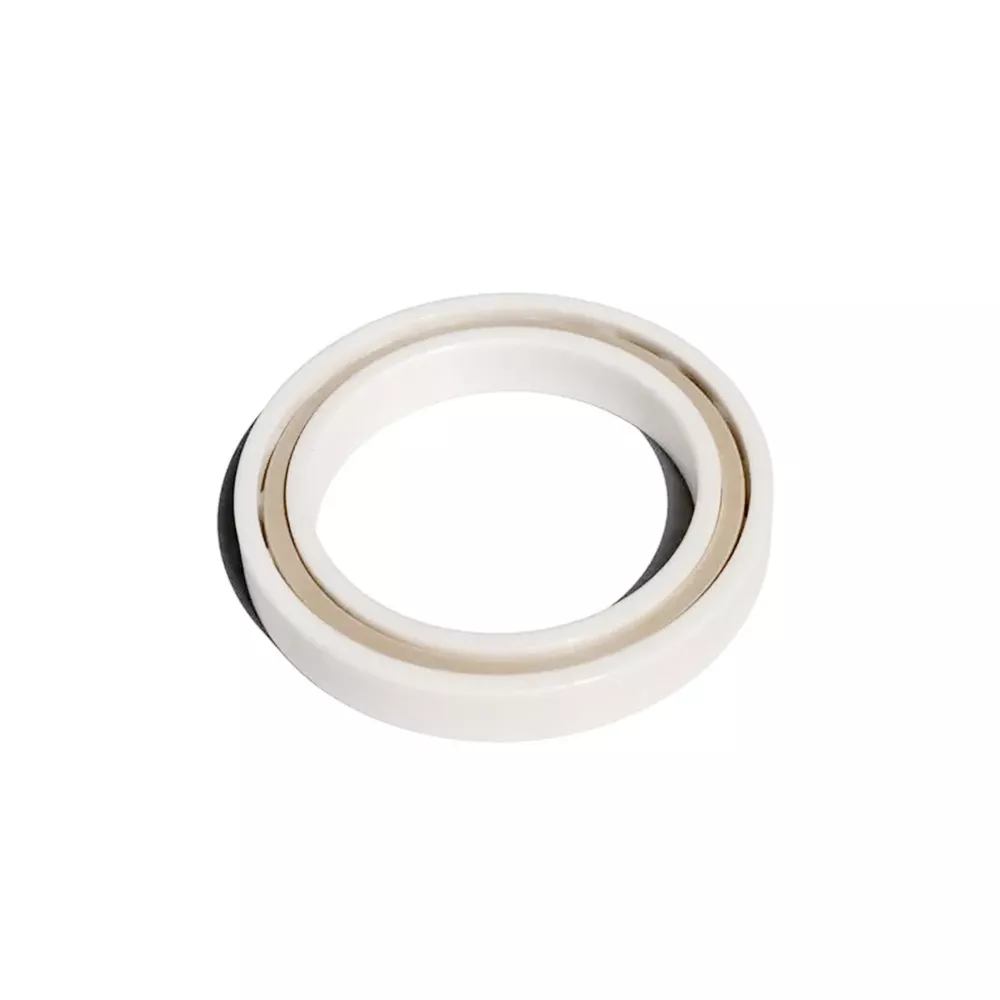
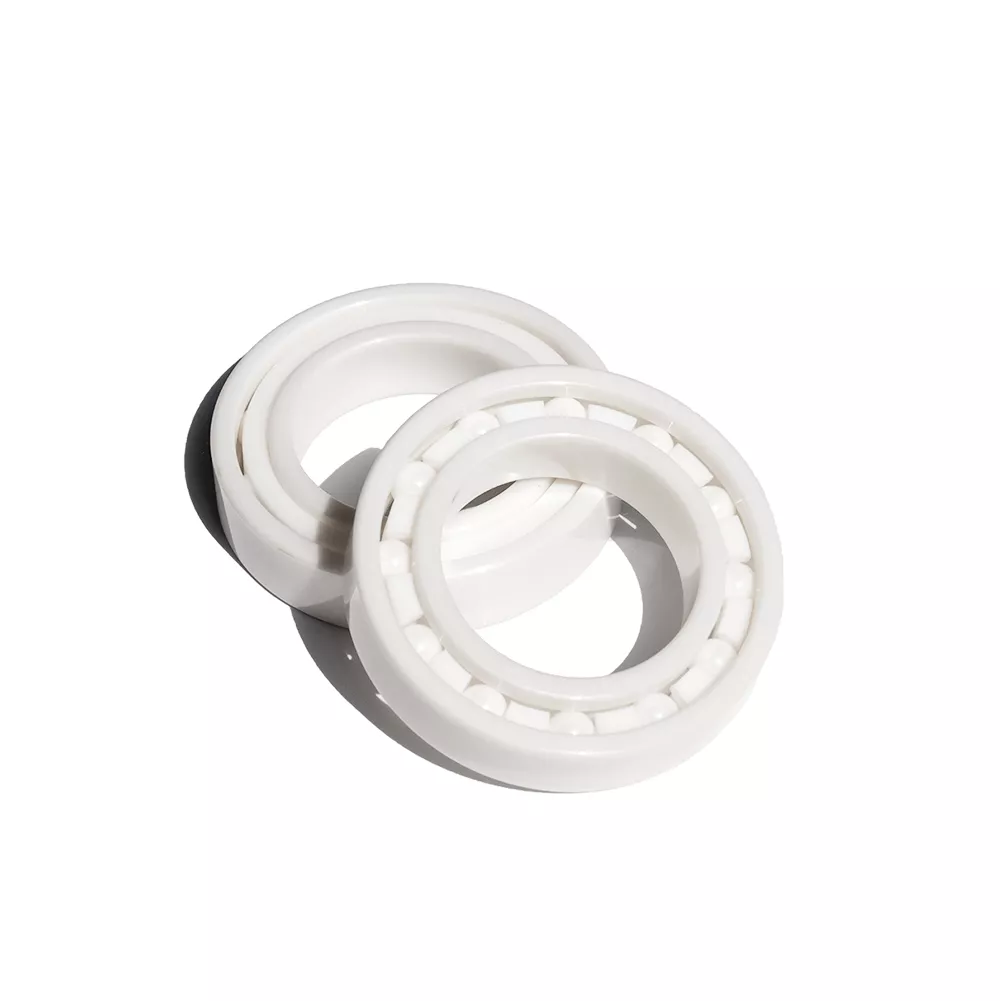
Supply of ceramic rings for various applications
Full Ceramic Bearing
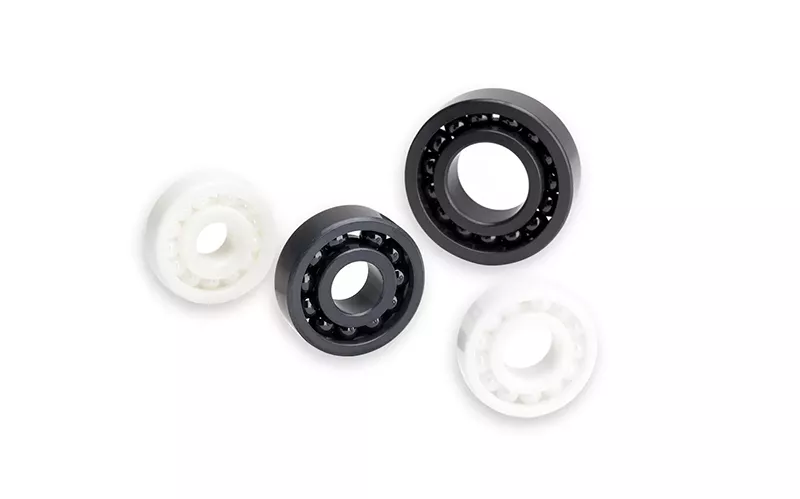
All-ceramic bearings have all core components, including the inner ring, outer ring, and balls, made of ceramic materials. These bearings possess superior corrosion resistance, complete insulation, non-magnetic properties, and ultra-low lubrication requirements. They are commonly used in various acidic, alkaline, seawater, insulating, and high-temperature environments, primarily in semiconductor equipment, chemical equipment, vacuum equipment, medical equipment, food machinery, marine equipment, and high-temperature furnace equipment.
GORGEOUS CERAMICS (GGS) can customize ceramic bearings in various materials to provide customers with optimal bearing solutions.
Hybrid Ceramic Bearing
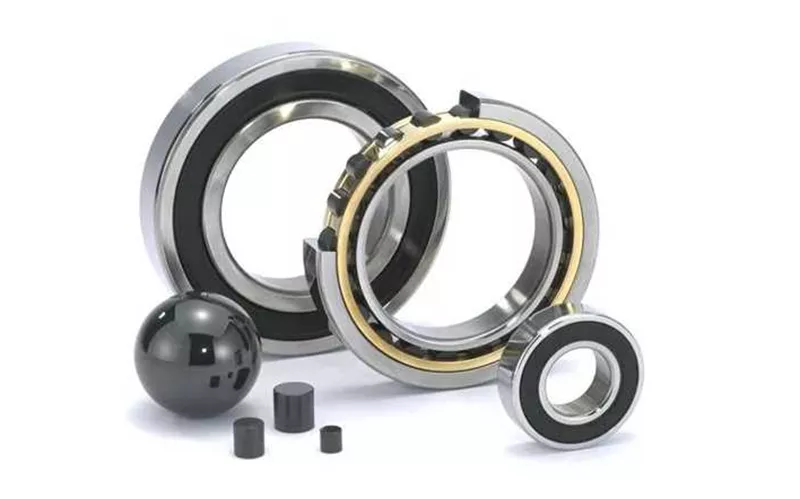
Hybrid ceramic bearings consist of ceramic balls while the inner and outer rings remain bearing steel. These are the most common type of ceramic bearing used in industry today.
Hybrid ceramic bearings offer higher speeds, longer lifespans, and resistance to electrochemical corrosion. Compared to all-ceramic bearings, they are more impact-resistant, easier to install, and less expensive, making them ideal for high-speed motors, CNC spindles, turbine equipment, and variable frequency motors.
Waarom voor ons kiezen
GORGEOUS CERAMICS (GGS) specializes in the precision manufacturing of advanced ceramic bearing assemblies, providing professional, customized ceramic bearing solutions, including all-ceramic and hybrid ceramic bearings.
We offer a full range of ceramic bearings, hybrid bearings, and ceramic balls, with a variety of materials selected based on the application’s speed, load, temperature, and corrosion requirements, including silicon nitride (Si₃N₄), zirconium oxide (ZrO₂), alumina (Al₂O₃), and silicon carbide (SiC).
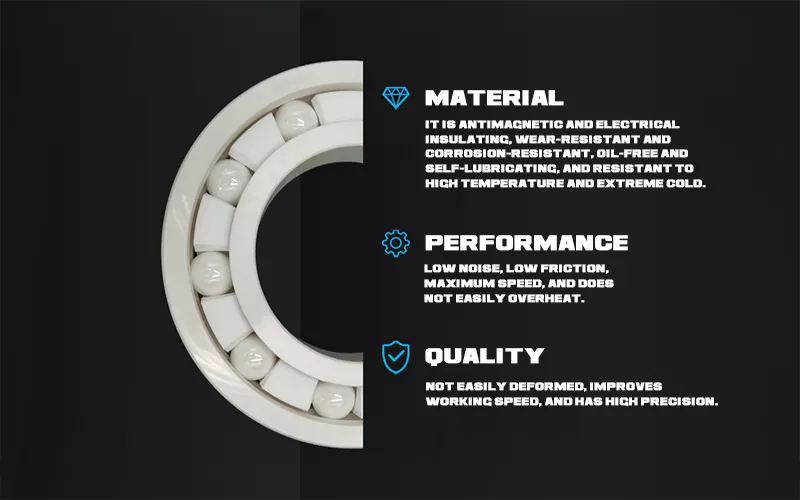
Why Choose GORGEOUS CERAMICS (GGS) Custom Ceramic Bearings?
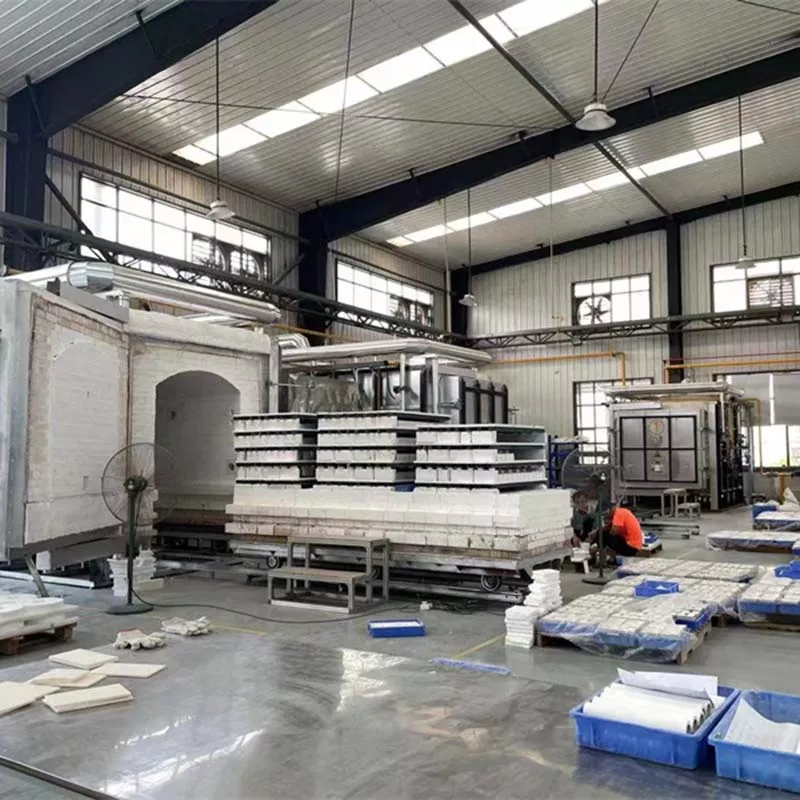
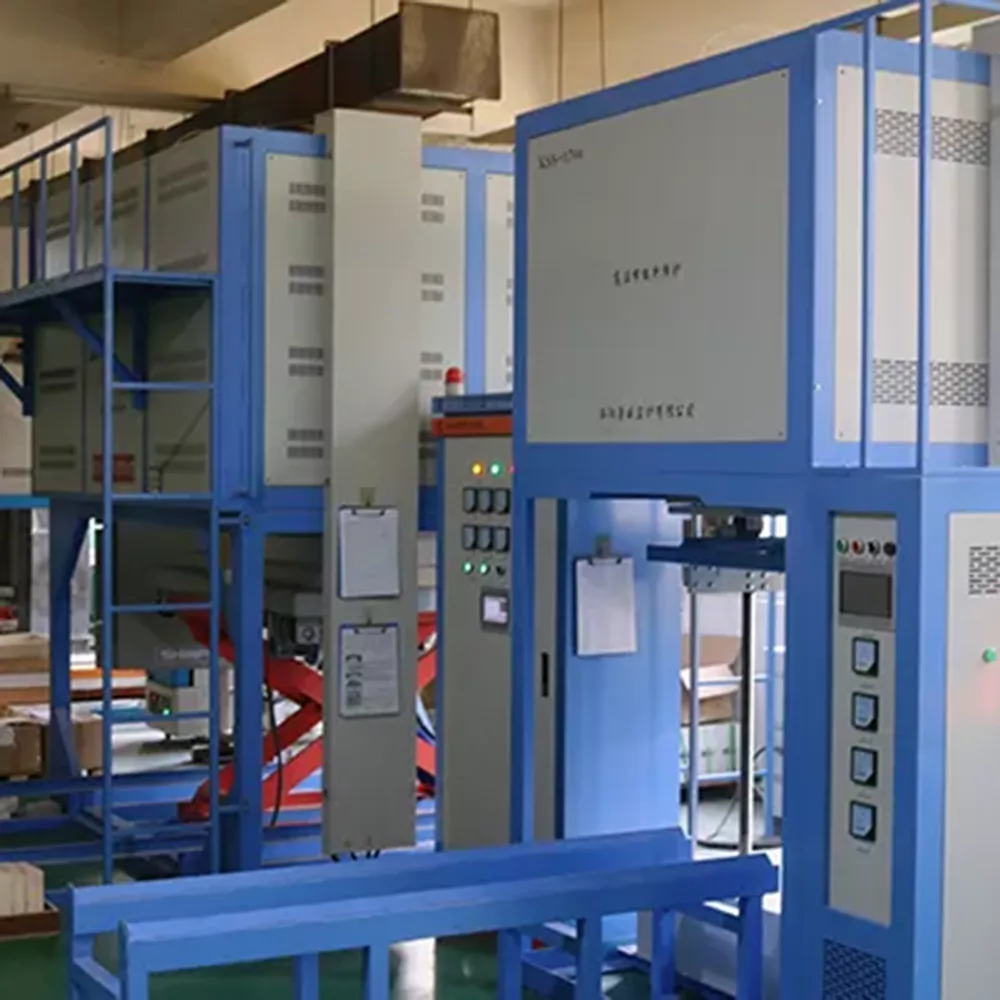
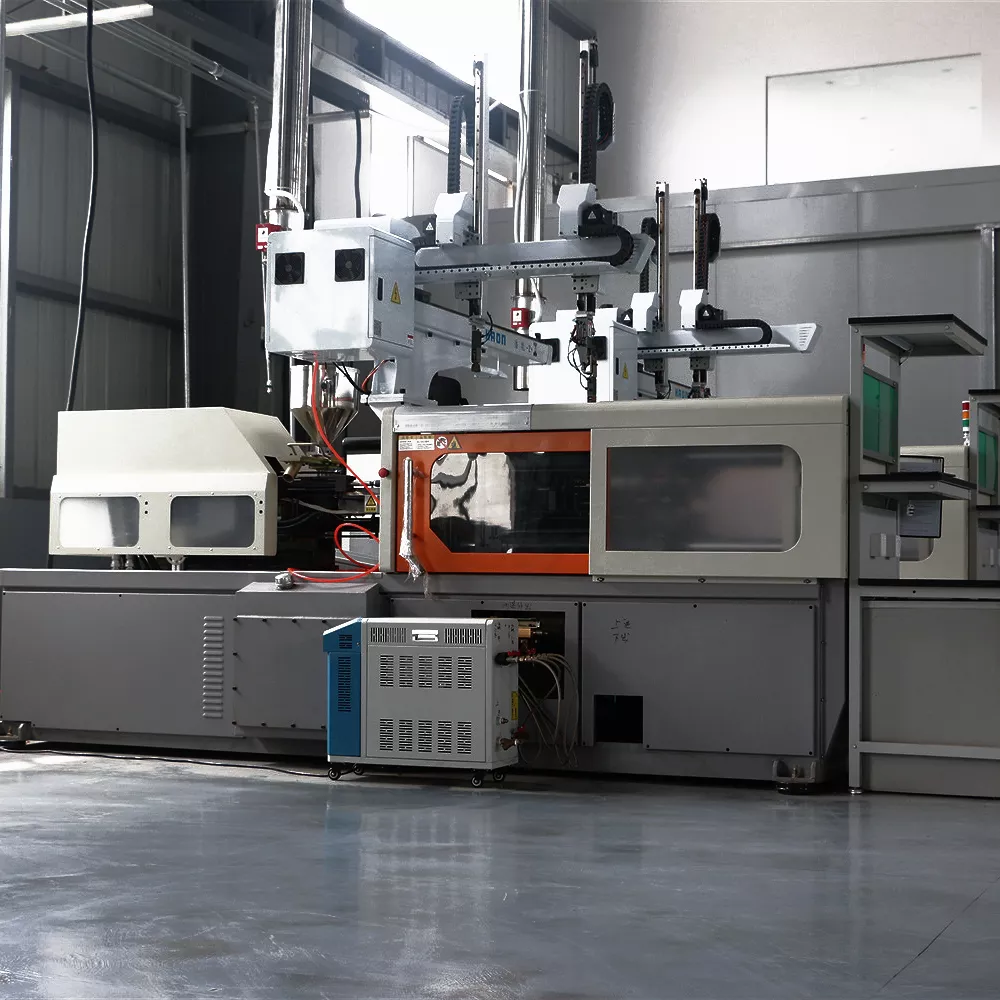
With 15 years of experience in ceramic manufacturing, GORGEOUS CERAMICS (GGS) has obtained ISO 9001:2015 quality management system certification, IATF 16949:2016 quality management system certification, and ISO 14001:2015 environmental management system certification. This means that GGS can provide customers with higher quality ceramic bearings.
Veelgestelde vragen
What are the differences between ceramic bearings and steel bearings?
Ceramic bearings use advanced ceramic materials to manufacture their rolling elements or bearing rings, while traditional bearings are typically made entirely of steel.
Compared to steel bearings, ceramic bearings offer higher speed capability, better corrosion resistance, better electrical insulation, and a lower coefficient of friction.
What are the advantages of hybrid ceramic bearings?
Hybrid ceramic bearings combine ceramic balls with steel rings, resulting in higher rotational speeds, lower heat generation, less friction, better electrical insulation, and longer bearing life.
Which ceramic material is best suited for ceramic bearings?
Silicon nitride (Si₃N₄), zirconium oxide (ZrO₂), aluminum oxide (Al₂O₃), silicon nitride, etc.