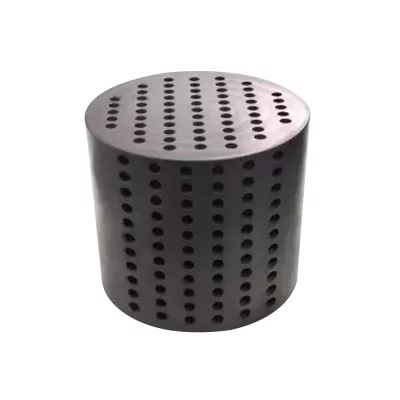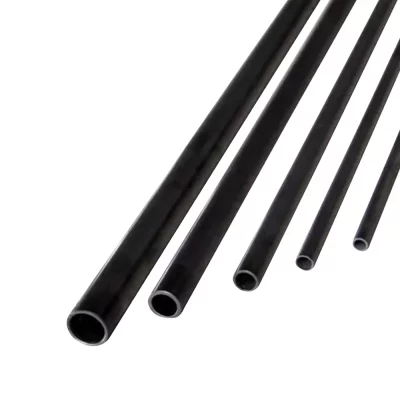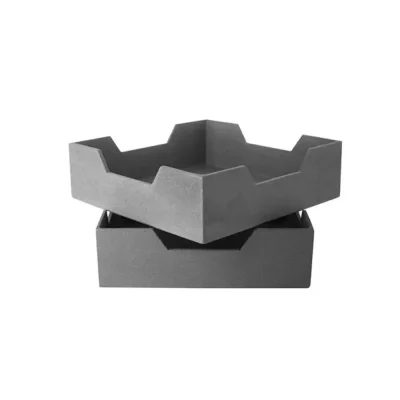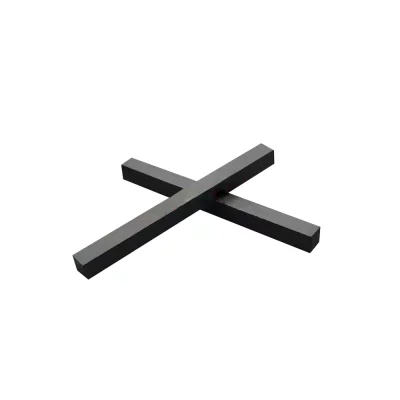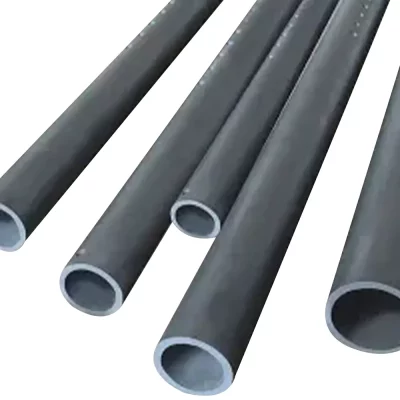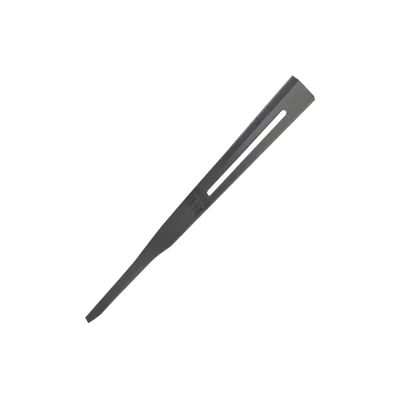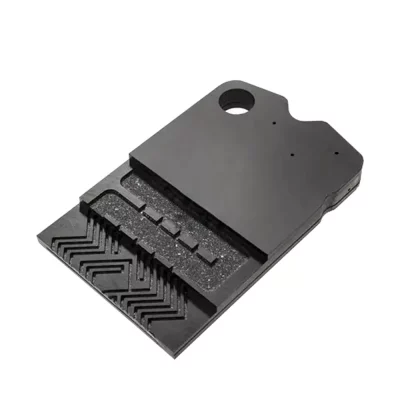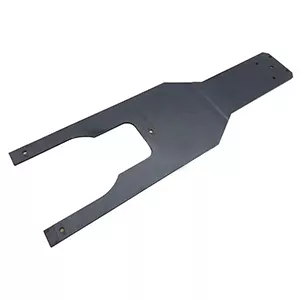
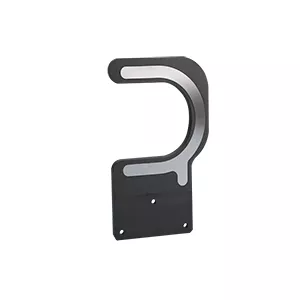
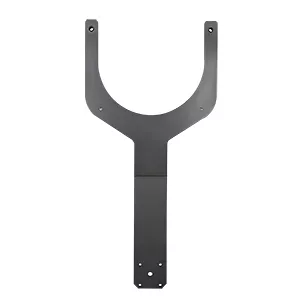

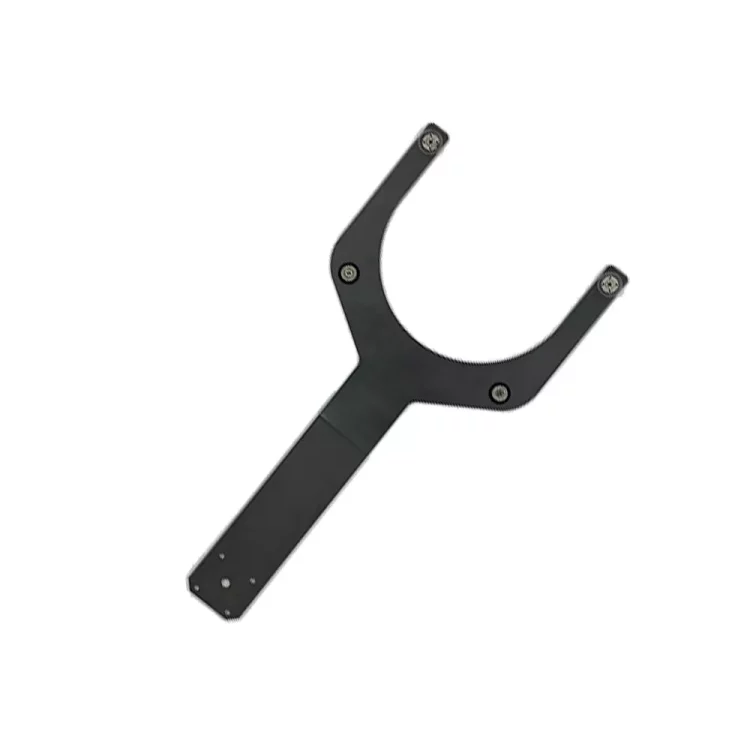
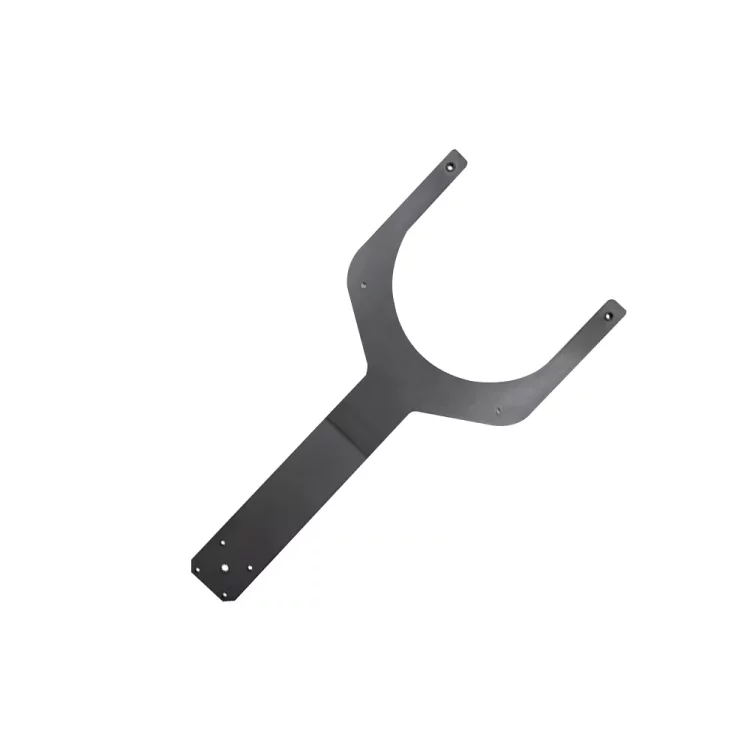
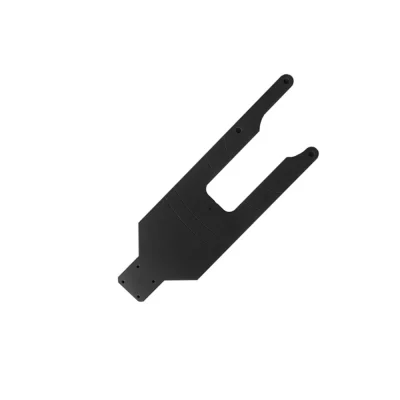
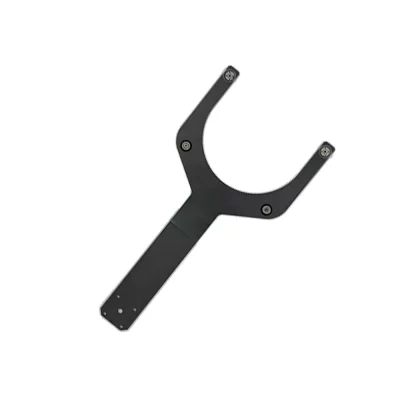
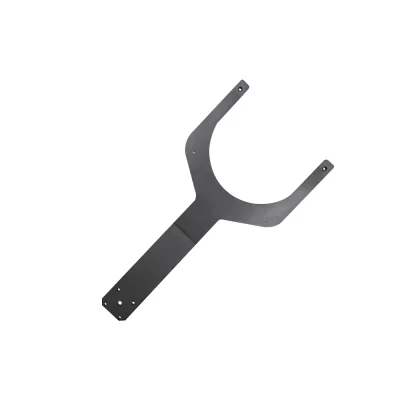
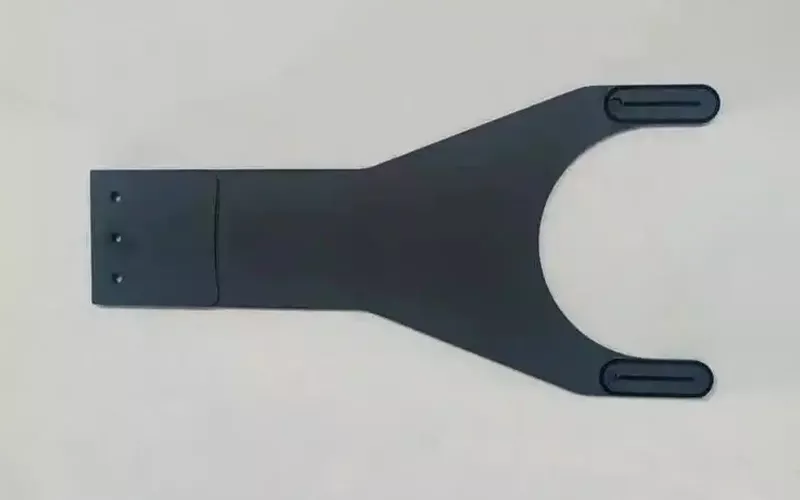
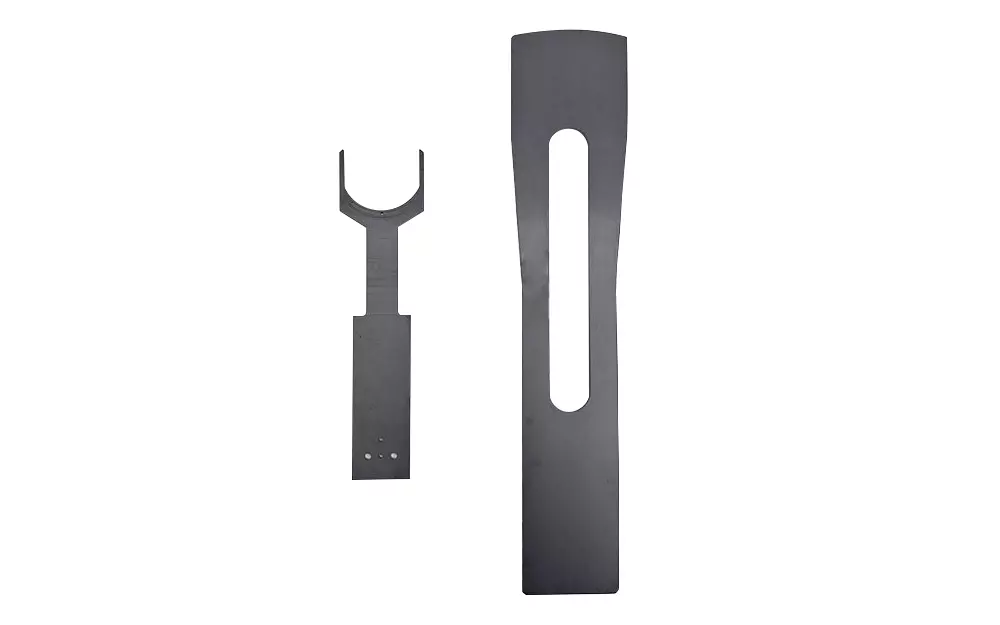
The silicon carbide robotic arms from GORGEOUS CERAMICS (GGS Ceramic) are manufactured using an isostatic pressing process followed by high-temperature sintering. They can be precision-machined—regarding external dimensions, thickness, and shape—in accordance with customer design drawings to meet specific application requirements.
Conditionnement
To prevent issues such as secondary particle contamination, electrostatic damage, and mechanical shock during transit, all GORGEOUS CERAMICS (GGS Ceramic) products are rigorously packaged in a cleanroom environment prior to shipment.
Ultra-clean cleaning: Before leaving the factory, our products undergo ultrasonic cleaning in a Class 100 cleanroom to remove microscopic dust and ionic residues.
Double-layer vacuum anti-static packaging: We use clean, anti-static materials for double-layer vacuum packaging; the inner layer isolates contaminants, while the outer layer blocks moisture and dust.
Foam mold securing: We secure the silicon carbide ceramic arm using a high-density, anti-static EPE foam mold to prevent damage from drops or vibrations.
Lead Times
Product prototyping: 2–3 weeks
Custom complex parts: 3–5 weeks
For urgent orders, we offer a “green channel” service to fast-track production.
Advantages of ceramic arms
Machining of Thin-Walled and Lightweight Structures
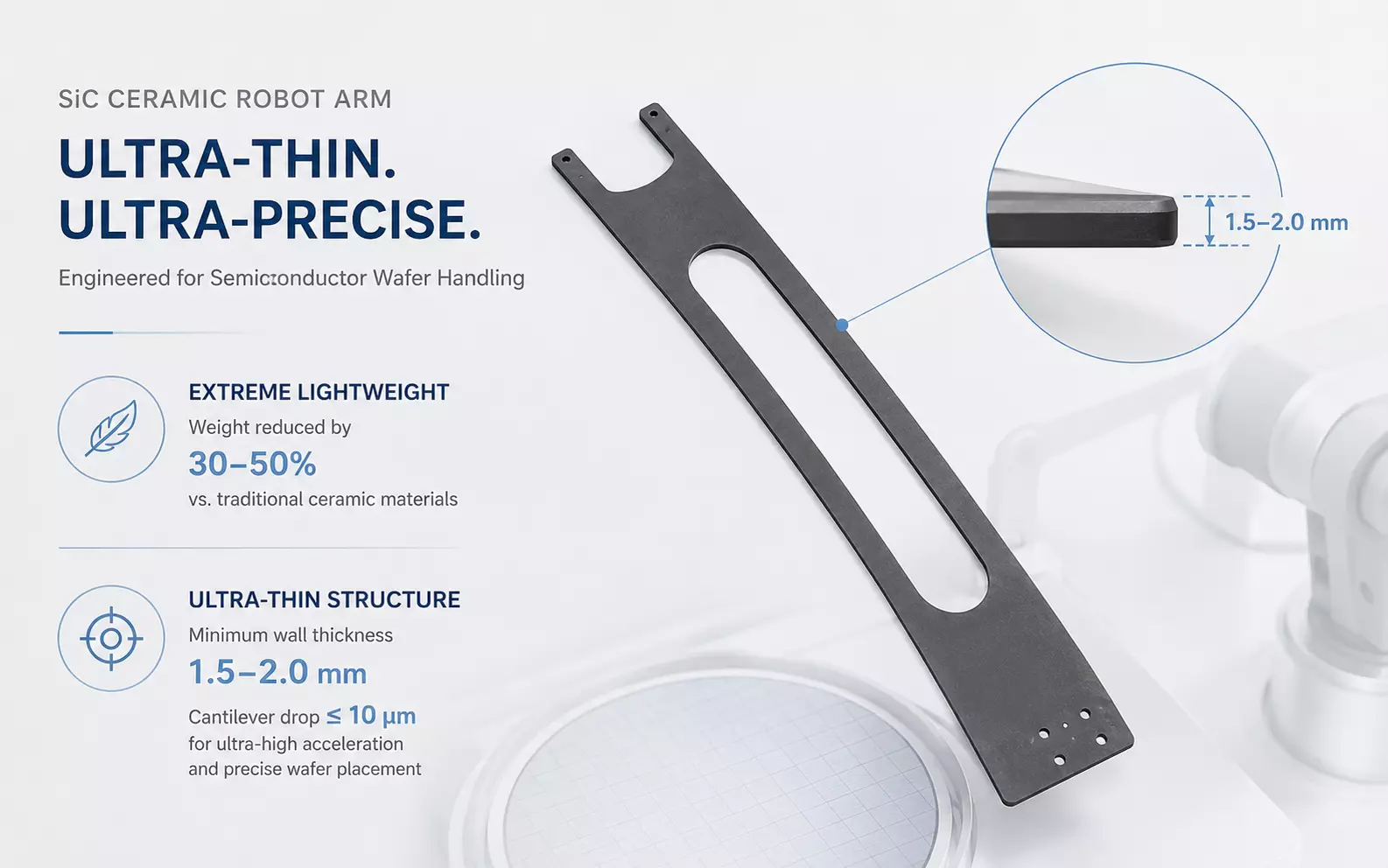
During semiconductor wafer transfer, ceramic robotic arms must strike an optimal balance between low inertia, high rigidity, high strength, and exceptional dimensional precision.
GORGEOUS CERAMICS (GGS Ceramic) manufactures silicon carbide ceramic arms using a combination of isostatic pressing and 5-axis precision machining, effectively overcoming the tendency of ceramics to crack during processing. Our precision machining capabilities allow for the creation of complex internal cavities, streamlined cutouts, reinforcing ribs, and long cantilevered structures. By employing a lightweight design without compromising structural rigidity, our silicon carbide arms weigh 30–50% less than those made from traditional ceramic materials; this reduction helps minimize motor drive overload and inertial impact during high-speed start-stop operations.
Our silicon carbide arms achieve a minimum local wall thickness of 1.5 mm to 2.0 mm. With rigorous control over cantilever deformation—limiting tip deflection to ≤ 10 μm across the full length—we ensure precise wafer pick-and-place operations, even under conditions of ultra-high acceleration.
Ultra-high rigidity, reducing robotic arm deflection and deformation
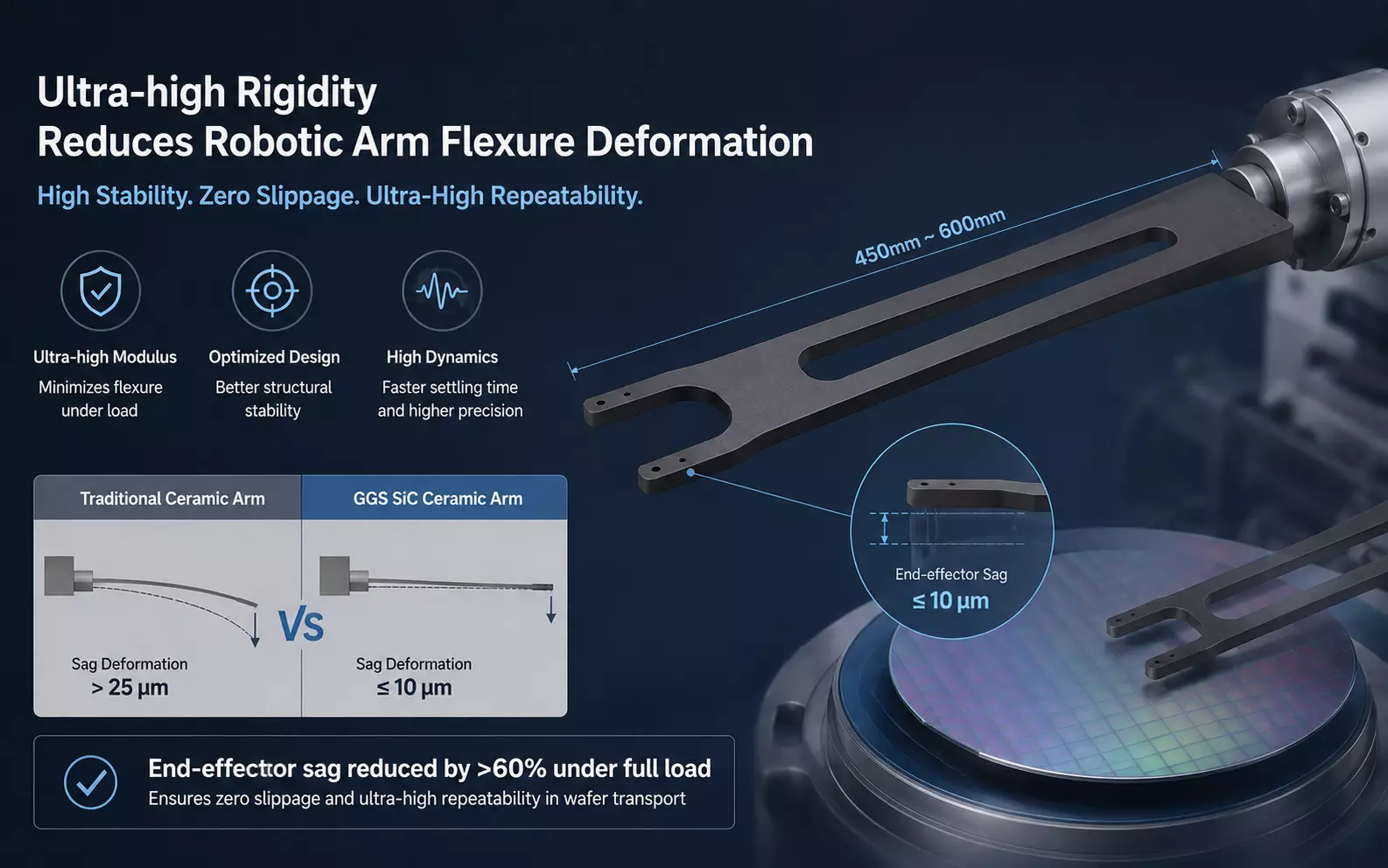
In wafer transfer applications, robotic arms typically employ a long-cantilever structure. During high-speed translation, vertical movement, and frequent start-stop cycles, the arm is subjected to gravitational loads and significant inertial forces resulting from high acceleration, making it prone to flexural deformation.
Leveraging a material with an exceptionally high modulus and an optimized design, the silicon carbide ceramic arm from GORGEOUS CERAMICS (GGS Ceramic) minimizes end-effector deformation and settling time in long-cantilever configurations. At full extension (450 mm–600 mm) and under full load, end-effector sag is reduced by more than 60%—with deformation controlled to ≤ 10 μm—thereby ensuring zero slippage and ultra-high repeatability in positioning during wafer transfer.
High-temperature resistant; suitable for temperatures up to 1700°C
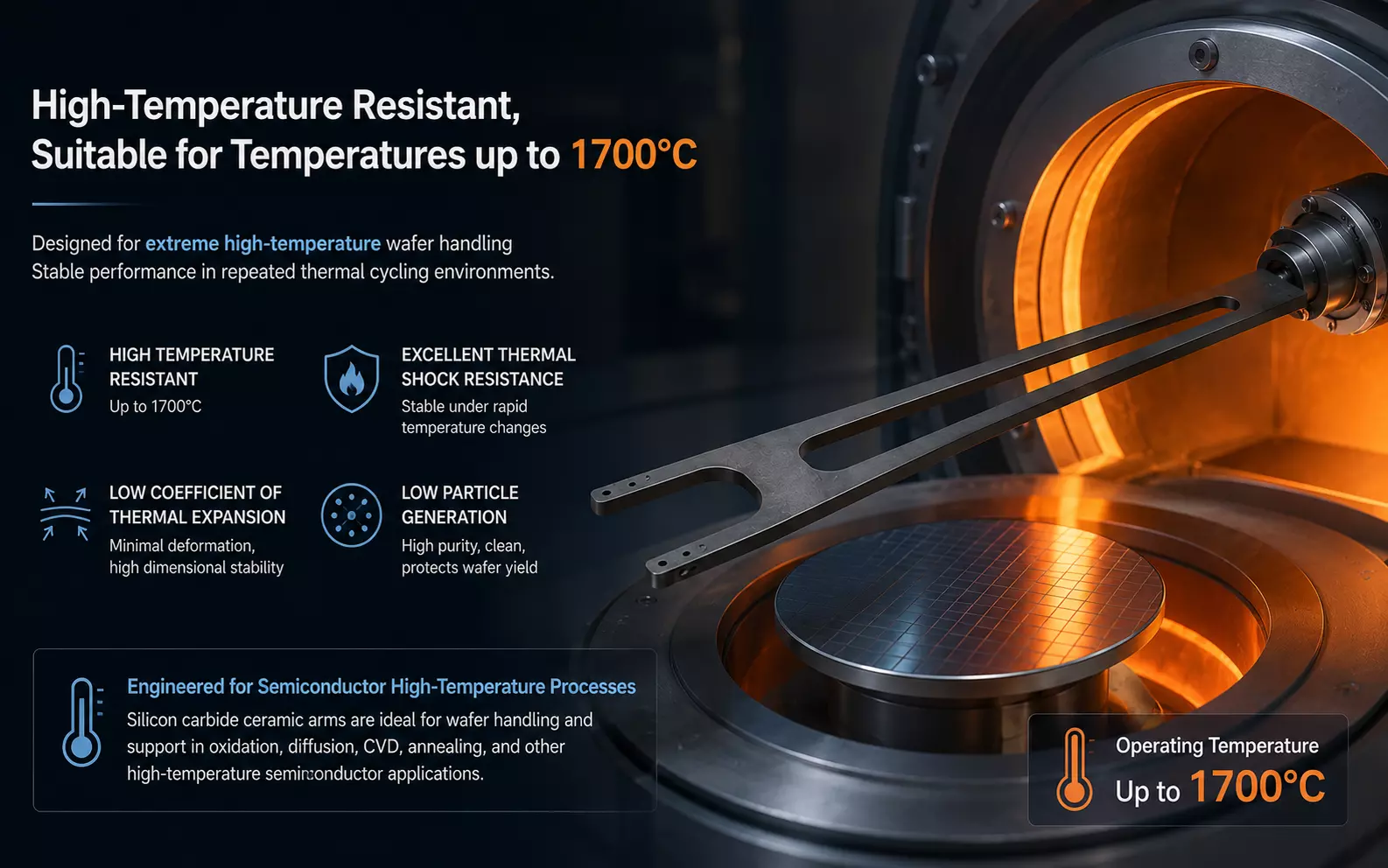
Wafer processing requires transport and positioning within extreme temperature environments—ranging from hundreds to over a thousand degrees Celsius. Conventional materials struggle to withstand such repeated thermal cycling, frequently suffering from issues like thermal deformation, particle generation due to severe oxidation, high-temperature creep, and cracking, all of which severely impact wafer yield.
Thanks to their exceptionally high melting point, excellent thermal shock resistance, and low coefficient of thermal expansion, silicon carbide ceramic arms from GORGEOUS CERAMICS (GGS Ceramic) serve as critical components for wafer handling and support in high-temperature semiconductor processes.
Silicon Carbide Material Data Sheet
|
Material properties |
paramètre |
|
pureté |
≥99 % |
|
Coefficient of thermal expansion α (RT [room temperature] – 1300°C) |
4.5 K^-1 * 10^-6 |
|
Maximum operating temperature (air atmosphere) |
1700 ℃ |
High cleanliness and high wear resistance
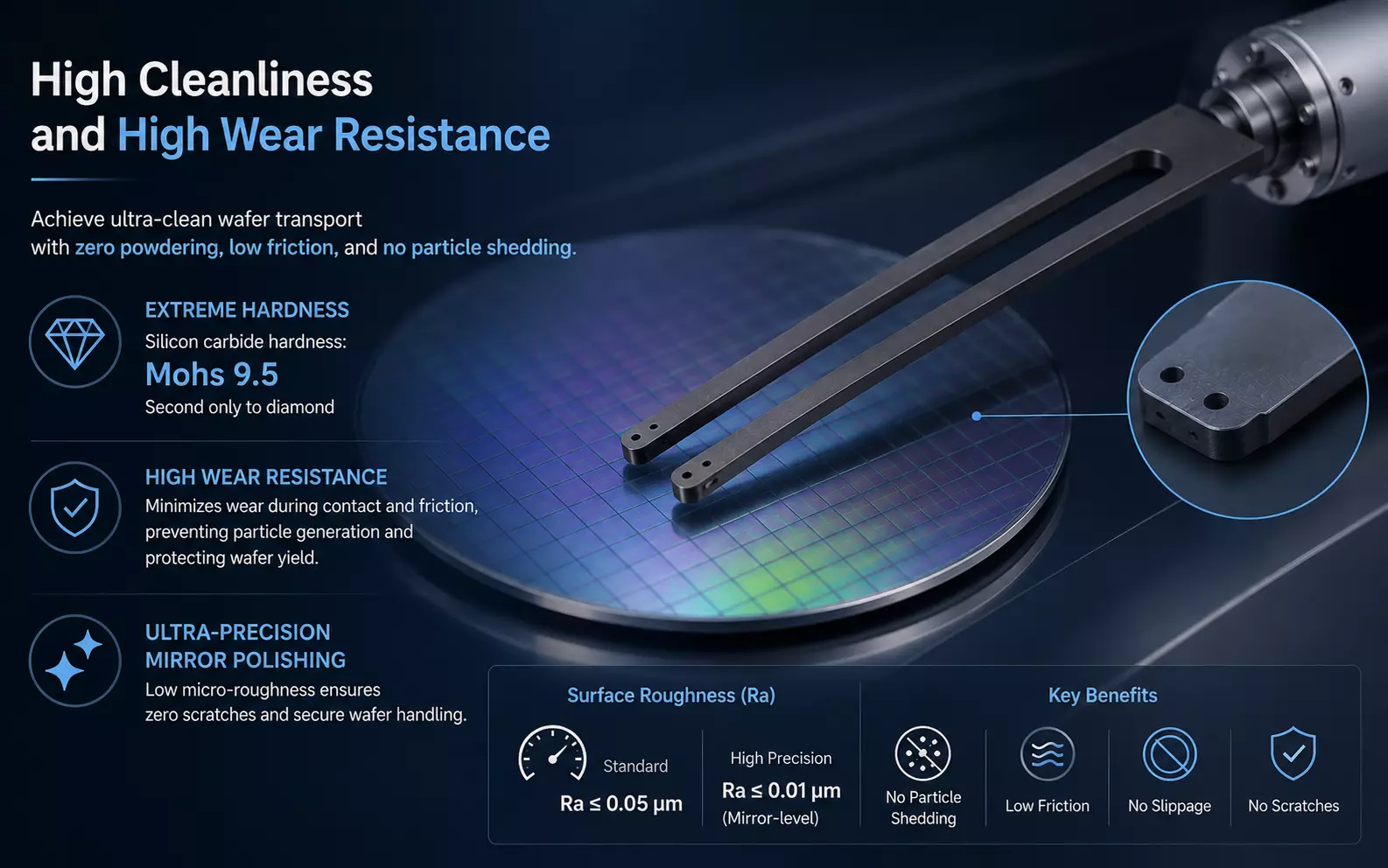
As the end-effector that comes into direct contact with wafers, a ceramic robotic arm’s surface hardness, wear resistance, and microscopic roughness determine whether micro-debris is generated during contact and friction.
Silicon carbide possesses a hardness second only to diamond, reaching 9.5 on the Mohs scale. Furthermore, utilizing GORGEOUS CERAMICS’ (GGS Ceramic) ultra-precision mirror-polishing process enables ultra-clean wafer transfer characterized by zero dusting, low friction, and no particle shedding. Our mirror-finishing process consistently controls surface roughness to Ra ≤ 0.05 μm—with capabilities reaching Ra ≤ 0.01 μm for even stricter requirements—effectively preventing wafer slippage and scratching.
Applications of Silicon Carbide Ceramic Arms
GGS Ceramic products are compatible with end-effectors for various wafer transfer robots.
- GGS Ceramic’s SiC (silicon carbide) arms serve as end-effectors for Brooks Automation’s vacuum chamber wafer transfer robots, enabling high-speed wafer handling in high-vacuum and high-radiant-heat environments. They are compatible with Brooks Automation series such as Marathon Express and MagnaTran 7.
- GGS Ceramic’s SiC arms are compatible with Kawasaki’s cleanroom dual-arm wafer robots, including the NT480 and JS10 series.
- GGS Ceramic’s SiC arms are compatible with Daihen systems, specifically designed as transfer arms for vacuum cluster equipment, including the UTX and 7-Axis Vacuum Robot models.
- GGS Ceramic’s SiC arms are compatible with Yaskawa systems; these specialized semiconductor wafer transfer arms feature an anti-static coating and are used for transport in yellow-light areas and lithography front-end processes, specifically for th MOTOMAN-MHO series.
FAQ
What are the advantages of silicon carbide (SiC) ceramic robotic arms compared to alumina ceramic ones?
Silicon carbide ceramics offer superior overall performance compared to alumina ceramics; they possess higher strength and better corrosion resistance, making them particularly well-suited for the semiconductor industry.
Which is more suitable for robotic arms: reaction-bonded silicon carbide (RBSiC) or pressureless sintered silicon carbide (SSiC)?
RBSiC exhibits minimal dimensional shrinkage during forming, making it ideal for large, complex, thin-walled, or irregularly shaped structures; it also offers a better cost-performance ratio.
SSiC contains no free silicon, resulting in higher purity and superior corrosion resistance, making it better suited for high-cleanliness applications.
Will silicon carbide ceramic arms scratch wafers? Can GGS integrate anti-static (ESD) coatings?
The surfaces of GORGEOUS CERAMICS (GGS Ceramic) silicon carbide robotic arms undergo ultra-precision mirror-finish grinding and polishing. They achieve a surface roughness of Ra ≤ 0.05 μm (or Ra ≤ 0.01 μm for stricter requirements), ensuring an exceptionally smooth finish that prevents scratching.
We can integrate vacuum channels and anti-static coatings according to your specific requirements.
Who are the silicon carbide ceramic suppliers in China?
GORGEOUS CERAMICS (GGS Ceramic): A supplier specializing in silicon carbide and various other advanced ceramics, offering precision machining and customization services for silicon carbide components.
XC: A well-known Chinese ceramic supplier offering machining and customization services for a wide range of ceramic materials.
Tsinghua Technology: A company focused on the processing and production of various ceramics—such as alumina and silicon carbide—including electronic ceramics and semiconductor-grade ceramics.