Ceramic heaters are best for your industrial applications that demand high temperatures and energy efficiency. Metal heaters offer lower initial costs and are better for your high-pressure uses. With higher heat resistance & heat retention, and self-regulation, your ceramic elements deliver durability, efficiency, and are safer.
What’s the Difference Between Ceramics Vs Metals Heaters?
陶瓷加热器
-
你的 陶瓷加热器 uses non-conductive materials like Positive Temperature Coefficient (PTC). Because it’s actually safer, up to 40% more energy-efficient, and 3x longer heating, your ceramic heaters outperform metals.
-
Ceramic heating elements are used in your space heaters, household appliances, and industrial heating applications.
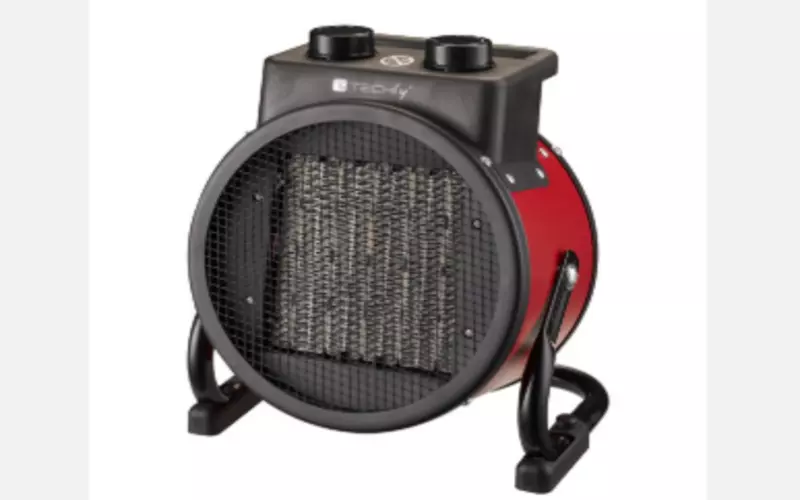
Metal Heater
-
金属 heaters use conductive resistive wires that are prone to oxidation. These materials include alloys like Nichrome and Kanthal (Fe-Cr-Al), which generate heat through electrical resistance.
-
While used in industrial furnaces and high-pressure systems, metals are susceptible to corrosion and less energy efficient.
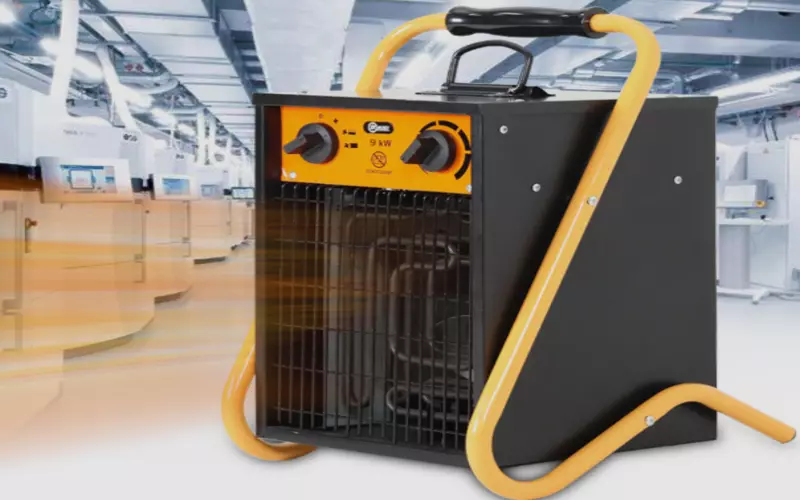
Properties of Your Ceramic Heating Elements
What’s the Ceramic Heaters’ Heating Speed & Efficiency?
-
Your ceramic heating element heats up in <30 seconds with high watt density in a small size. Their thermal efficiency of >90% exceeds that of metals by up to 40%.
“After switching to SiC heaters in our industrial furnaces, energy loss reduced by 40%.” — Fan H., Process engineer, Metaheat Solutions
What’s the Ceramic Heater Operating Temperatures
-
Your high-temperature ceramic element withstands 1700-1750°C+ for specialized materials like silicon carbide (SiC). This high-temperature resistance allows your heaters to operate under extreme heat where metals would degrade.
What’s the Ceramic Heater Thermal Conductivity
-
你的 Aluminium Nitride (AlN), 碳化硅(SiC), 和 氧化铍 (BeO) ceramic heating elements achieve 120-320(W/(m·K))+.
-
Due to this high thermal conductivity, your ceramic heaters deliver fast, efficient heat transfer.
Durability of Your Ceramic Heaters
-
Due to 莫氏硬度 of 8.5-9.5 and flexural strength 386-1000+ MPa, your ceramic heater is durable and resists wear.
What are Your Ceramic Heating Element Electrical Features?
-
Your PTC ceramic heaters are self-regulating. Their resistance increases with temperature increase, causing a decrease in power consumption. This prevents your heater from overheating, saving 30%+ power and increasing safety.
-
With dielectric strength >1500V/50Hz AC per minute, your ceramic heating element withstands high voltages without breakdown.
Are Ceramic Heaters Safe?
Your ceramic heaters maintain lower, safer exterior surface temperatures than metal coils. By not reaching red-hot temperatures, your ceramic heating element prevents fire risks.
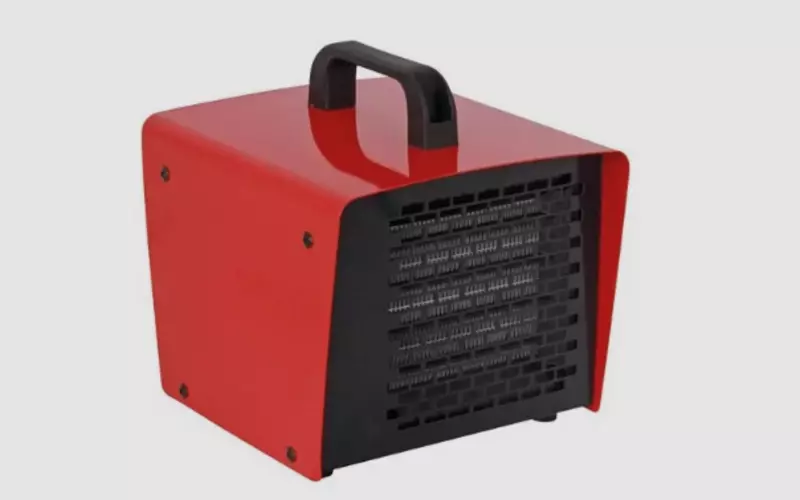
NB: Ceramic heaters are fragile and brittle, thus susceptible to breaking and cracking if dropped or subjected to high impact. My ceramic heater has lasted over 8 years now due to careful handling.
Metal Heaters Properties
What Is the Strength and Ductility of Metal Coils
-
Your Nickel-chromium (NiCr) and FeCrAl alloy heaters provide tensile strength of >630 MPa. Due to this high strength, your metal heaters retain integrity under high loads.
-
FeCrAl alloys’ elongation of ≥12% provide efficient flexibility. Combined with sufficient ductility, your metal heaters can be shaped and bent into complex coil elements.
What’s the Coefficient of Resistance and Resistivity of Metals?
-
Your metal coils provide low 电阻率 and positive temperature coefficients of resistance. This ensures efficient conversion of electrical energy into heat and stable power output.
Downsides of Metal Heaters
-
Metal elements oxidize rapidly under 600°C+ temperatures. In your industrial heating application, this results in low heat transfer efficiency and a reduced lifespan of 1-2 years.
-
Your metal heaters are highly prone to scaling in hard water. This results in calcium and magnesium precipitate at temperatures above 60°C.
- Unlike your ceramics, which are insulating, metal elements are conductive. This presents electrical leakage hazards if the sheath is damaged. Consequently, metal heaters have higher surface temperatures, increasing the risk of fires if flammable materials are used.
How the Cost of Ceramic Vs Metal Heaters Compares in 2026
-
Ceramic heaters involve advanced manufacturing processes. Due to this, they are more expensive to purchase initially.
-
Metal heaters are cheaper initially, but your industry needs to replace them every 1-2 years due to oxidation and thermal degradation.
-
Ceramics require a higher upfront investment of $600-$4000 compared to metals $200-$800. However, ceramic elements last 3-5 times longer (10-15 years) than metals. In your industrial application, energy savings and reduced maintenance translate to higher return on investment within 1–2 years.
Ceramic Heater Vs Metal Coil Features Comparison Summary
|
财产 |
陶瓷加热器 |
Metal Coil |
|
Heat-up Speed |
<30 seconds |
60-120 seconds |
|
能源效率 |
>90% thermal efficiency |
60-70% (due to convective and radiant losses) |
|
安全 |
High (Lower surface temperature, electrical insulation) |
Lower (High surface temperature, conductive risk) |
|
Operating Temperatures (°C) |
1700-1750+ (for high temperature ceramic element) |
600 before oxidation accelerates (1100-1300°C maximum) |
|
寿命 |
10-15 years (in controlled industrial use) |
1-2 years (under continuous load) |
|
Upfront Cost |
Higher manufacturing costs |
Lower upfront, but frequent replacements |
|
耐用性 |
8.5-9.5 Mohs hardness, corrosion resistance, low oxidation |
Ductile but prone to oxidation |
|
最适合 |
Precision, energy-efficient, high-temperature systems |
Short-term or high-pressure applications |
Table: Comparison of the features of ceramics vs metals heaters
Data source: Mater. Sci. Eng. 2025; 109(2): 021004
Applications of Ceramic Heaters In Your Industry
In Your Electronics
-
你的 fabrication of emiconductors must have stable thermal performance. If metals are used, contamination risks increase by >25%.
-
Your ceramic heater elements support wafer processing, diffusion furnaces, and chamber heating. Due to chemical inertness, chemical degradation reduces in your soldering irons and 3D glass mold heating applications.
Automotive and Aerospace Applications
-
Your automotive and aerospace applications demand materials that are lightweight and resistant to oxidation. In sensor heating and composite curing, your ceramic heating element outperforms metals.
Industrial Drying and Heating
-
Your ceramic space heater designs distribute infrared energy uniformly. This results in uniform radiant output in your industrial drying systems.
-
Since ceramic heat emitter output is consistent, moisture gradients reduce without scorching your product surfaces.
In High-Temperature Kilns
-
Metals would degrade and oxidize if used in your high-temperature kilns or in furnaces. Because your high temperature ceramic heater element withstands >1700-1750°C, shutdowns reduce by >40%.
In Plastic Manufacturing & Packaging
-
Your plastic extrusion and thermoforming demand steady heat bands. Due to ceramic heating element uniform heating, melt inconsistency reduces and polymer viscosity stabilizes.
Medical & Laboratory Uses
-
Clean, non-reactive heating is non-negotiable in your medical and laboratory devices. By using ceramic heater bulbs, risk of oxidation debris caused by metals is eradicated.
Selecting Your Ceramic Heating Element
Which Materials Are Preferred?
-
In your electronics requiring high thermal conductivity, Aluminium Nitride (AlN) heaters deliver 170-230 (W/(m·K).
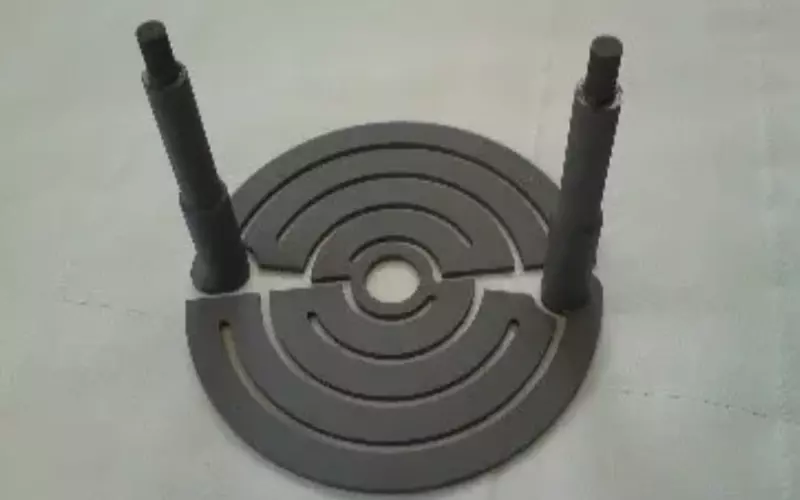
- 碳化硅(SiC) performs efficiently in your kilns and furnaces exceeding 1700°C.
-
使用 氧化铝陶瓷 heaters in your power applications that need excellent insulation.
What Certifications To Check
-
Your ceramic heaters should meet UL standards. Verify ISO 9001 & 14001 for process control and ASTM F1241 quality standards.
GORGEOUS CERAMIC(GGSCERAMIC) guarantees ISO 9001:2025 陶瓷加热元件 with Mean Time Between Failures (MTBF) of 10,000–20,000 operational hours.
结论
Efficiency, safety, and long-term cost stability guides your decision between ceramic heater vs metal heater. Your high-temperature, precision applications favor ceramic heater elements due to >1700°C stability, >90% thermal efficiency, 3-5x longer lifespan.