不同材料制成的陶瓷,性能有很大差异,下面我们来为您介绍各种陶瓷材料的分类及应用。
按陶瓷材料成分分类
陶瓷材料按其成分大致可分为四类:氧化物陶瓷材料、非氧化物陶瓷材料、硅酸盐陶瓷材料和玻璃陶瓷材料。
下面我们将为您介绍这些陶瓷材料并了解它们的用途。
氧化物陶瓷材料
Oxide ceramics are very common in both industry and daily life. In the large family of oxides, the most representative ones are 氧化铝, 氧化锆, silicon dioxide, etc.
一般来说,氧化物材料具有以下显著特点:
耐磨性: 硬度高,耐磨性强,适合磨削、切削等用途。
耐高温: 熔点较高,在各种高温环境下都有很好的稳定性,是工业上非常常见的耐火材料。
耐腐蚀性: 化学性质稳定,不易与各种酸、碱、盐发生反应,适用于各种腐蚀环境。
以下是一些常见的氧化物材料:
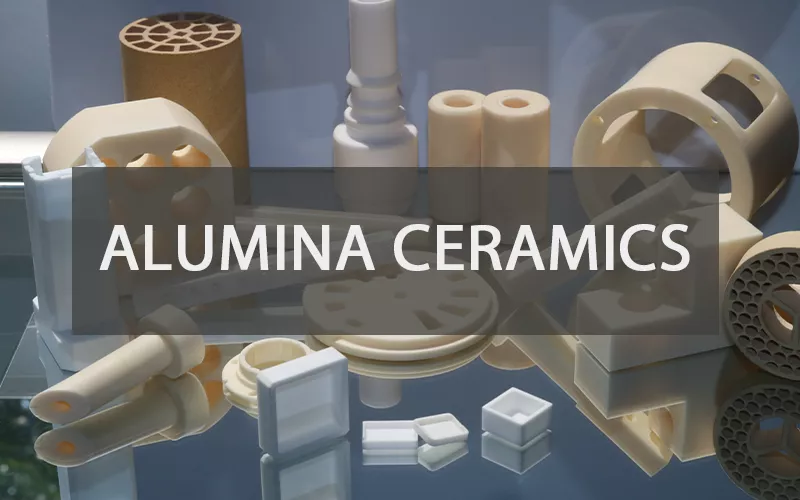
氧化铝: This is one of the most widely used ceramic materials. Ceramics sintered from alumina are used in all aspects of our lives. They can be seen in electronics, medical and industrial parts—it is the core material for manufacturing medium and high-power LED lamps such as high bay lights and parking lot lights, and is widely used in LED lights bead packaging, heat-dissipation bases, and insulating components of LED industrial lights. It is one of the most basic materials in modern manufacturing!
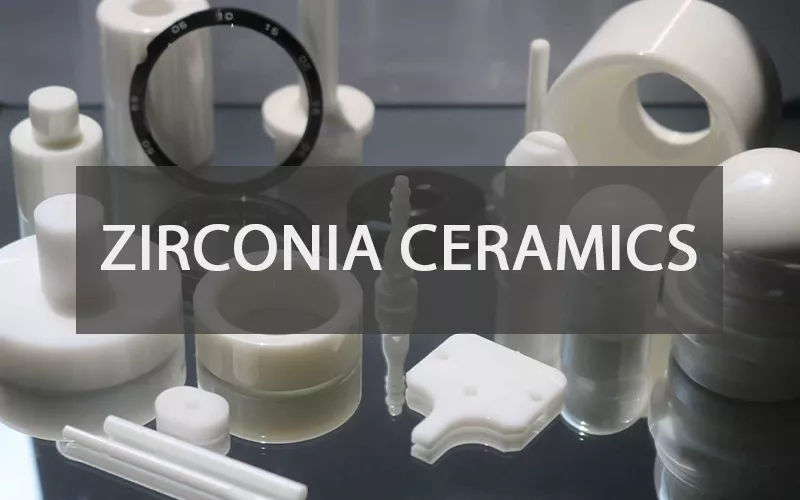
氧化锆: 氧化锆比氧化铝具有更强的韧性。其高硬度和抗裂性使其适用于牙科和刀具等高强度应用。
二氧化硅: 它还具有优异的强度、高温稳定性和耐腐蚀性,广泛应用于各种光学器件、玻璃制造和半导体行业。
非氧化物陶瓷材料
非氧化物陶瓷材料种类繁多,最常见的有氮化物、碳化物、硼化物等。非氧化物陶瓷材料凭借其优异的性能,可以应用于各个领域。例如,氮化物陶瓷凭借其优异的耐高温性能,可以应用于一些涡轮叶片和发动机部件;碳化物陶瓷凭借其优异的硬度,可以广泛应用于各种切削加工领域;硼化物则可用于超高温环境下的火箭喷嘴和热防护系统。
常见的非氧化物陶瓷材料介绍:
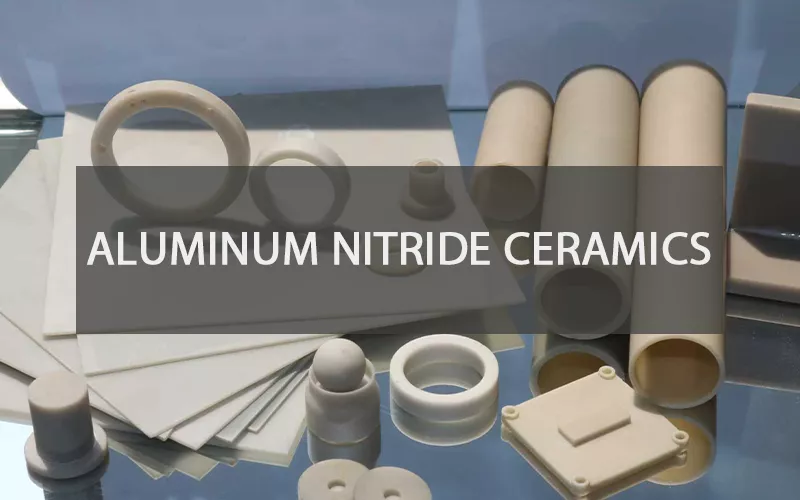
氮化铝: This material has excellent thermal conductivity and electrical insulation. It serves as a heat dissipation substrate and electronic packaging material in many electronic products and devices.
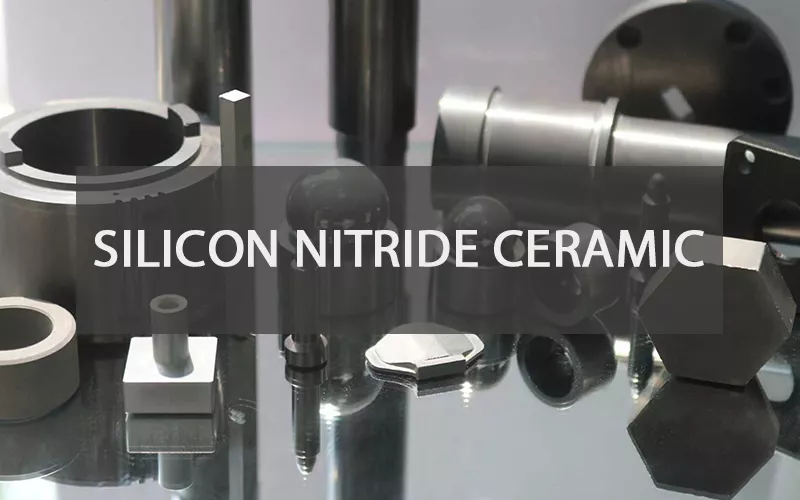
氮化硅: It has strong heat resistance and mechanical strength. It is often used in various engine components, high-temperature bearing structures, and gears for specialized applications. It is widely used in automobiles and aviation.
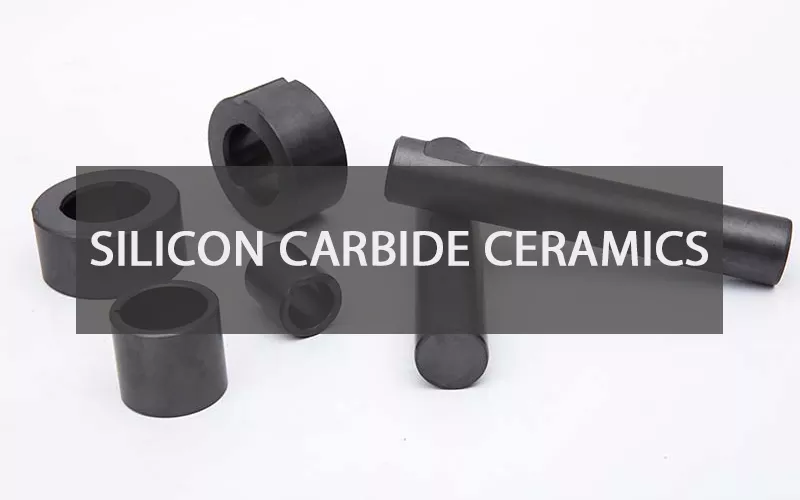
碳化硅: Silicon carbide is a material with extremely high hardness and good high-temperature resistance. It is used in some mechanical seals and wear-resistant materials. In addition, it is also widely used in high-temperature and high-pressure applications of various semiconductor devices.
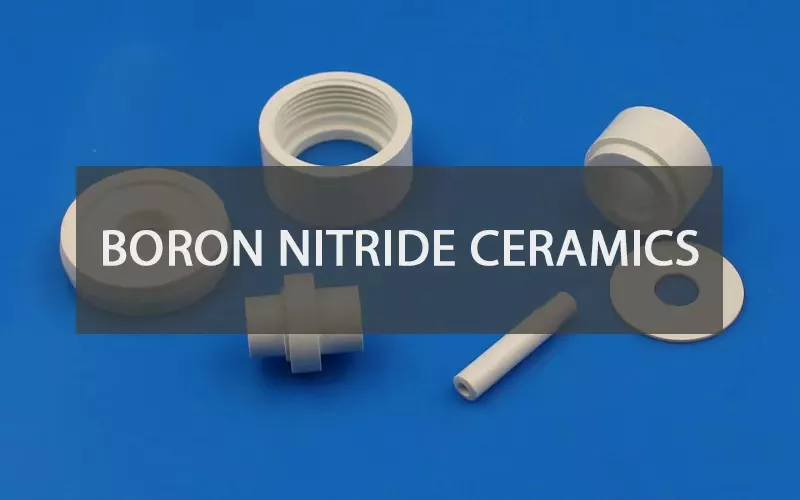
氮化硼: The hexacrystalline structure of boron nitride has good electrical insulation, heat resistance and chemical inertness. It can be used in various lubricants and refractory materials.
玻璃陶瓷材料
玻璃陶瓷是一种由玻璃结晶而成的复合陶瓷材料。这种材料融合了玻璃和陶瓷的优点,既具有玻璃的特性,又兼具陶瓷的优点!玻璃陶瓷常用于高温厨房,制成耐热烤盘和各种炊具。除了优异的硬度和耐热性外,玻璃陶瓷还具有良好的生物相容性。
硅酸盐陶瓷材料
硅酸盐陶瓷材料是以硅酸盐矿物为主要成分的陶瓷。如果细分的话,主要可以分为硅酸铝或硅酸镁两种。它们在我们的日常生活和建筑中都有应用。在建筑行业中,硅酸盐陶瓷因其优越的耐磨性以及优异的耐久性和耐腐蚀性,可以用作瓷砖、砖块和水泥。此外,在日常生活用品中,我们也经常能找到硅酸盐陶瓷制品的踪影,比如一些陶瓷餐具、卫生洁具等。即使在电子工业中,硅酸盐陶瓷也可以用来制作绝缘体和电容器,应用非常广泛。
按陶瓷用途分类
陶瓷可分为传统陶瓷和先进陶瓷。传统陶瓷的原料常见于各种黏土、硅石、长石、石英等,经过高温烧成后形成传统陶瓷制品。先进陶瓷则由各种氧化物、氮化物和碳化物构成。
Different ceramics have different applications. Traditional ceramics are more inclined to daily necessities, while advanced ceramics are widely used in industry and some high-tech fields,where precision manufacturing processes such as CNC加工 are often required to achieyecomplex geometries and tight tolerances.
玻璃
玻璃是一种常见的陶瓷材料,从我们日常生活中随处可见的窗户,到我们佩戴的眼镜,很多人可能并不知道玻璃其实是一种硅酸盐陶瓷。
硅酸盐陶瓷的主要成分是二氧化硅(SiO2)。如果我们在其中添加其他氧化物,玻璃的性质就会发生变化。比如,如果我们添加氧化钠(Na2O),玻璃的熔点就会降低,更利于我们成型;而添加氧化铝(Al2O3),则会进一步提高玻璃的硬度和耐热性;如果我们想改变玻璃的颜色,可以添加一些氧化铁(Fe2O3),这样玻璃就会呈现绿色或棕色。这些措施不仅可以使玻璃更加美观,而且可以使其性能更加优越。
粘土陶瓷
最常见的陶土陶瓷制品是各种瓷器,例如茶具、碗、瓷瓶等。陶土陶瓷不仅性能优越,而且经过特殊处理后,外观会变得非常漂亮,非常适合装饰和日常使用。
磨料陶瓷
陶瓷坚硬而坚韧,是研磨和切割的优良材料。常见的磨料包括金刚石、氧化铝、碳化硅、硅砂等。
先进陶瓷
先进陶瓷种类繁多,性能各有优劣。这些材料凭借其优异的物理和化学性能,被广泛应用于航空航天、医疗器械、电子设备等领域。
总结
陶瓷是一种用途广泛的材料,广泛应用于我们生活的各个方面。其各种优良性能相互补充,适用于各种领域。
华丽的 有各种各样的陶瓷产品供您选择,包括氧化铝、氧化锆、氧化铍、氮化铝、氮化硼……如果您需要定制先进陶瓷,我们的专业人员随时可以为您的陶瓷项目提供服务,以满足您的需求。