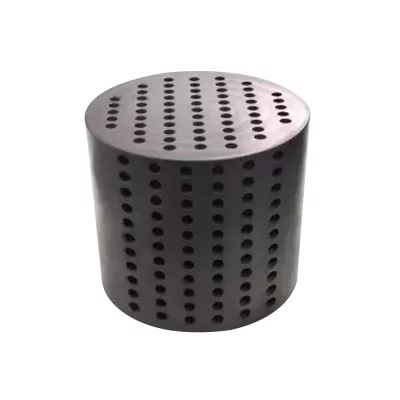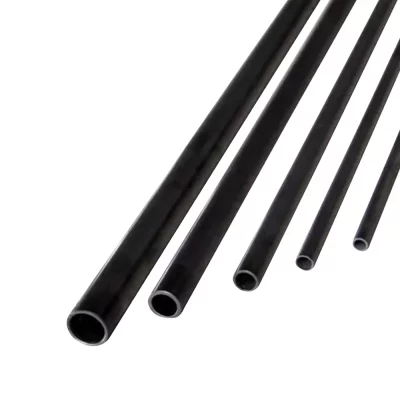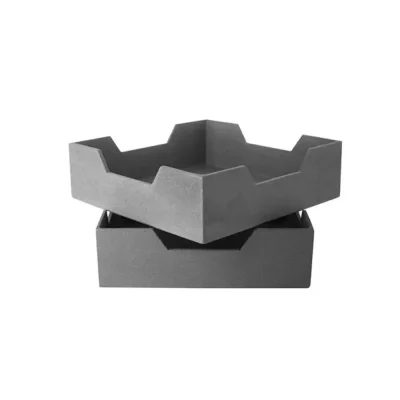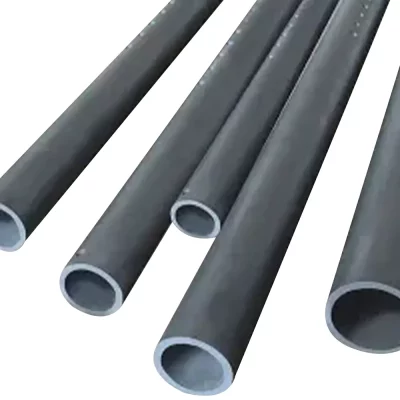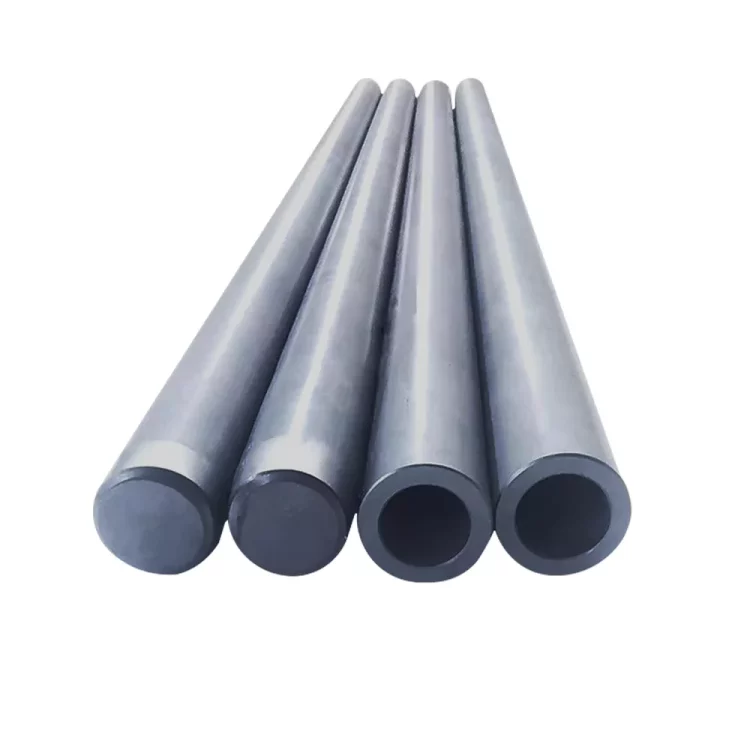
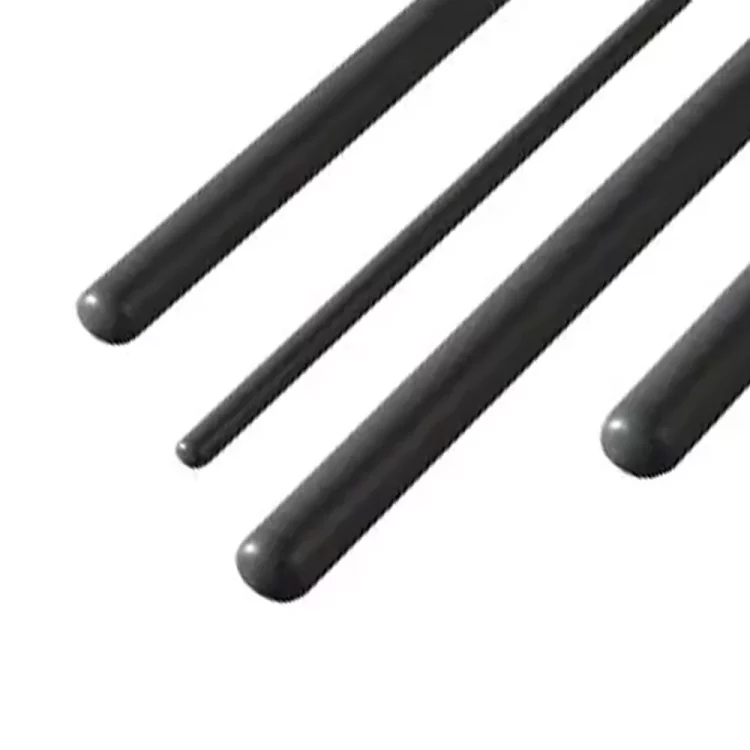


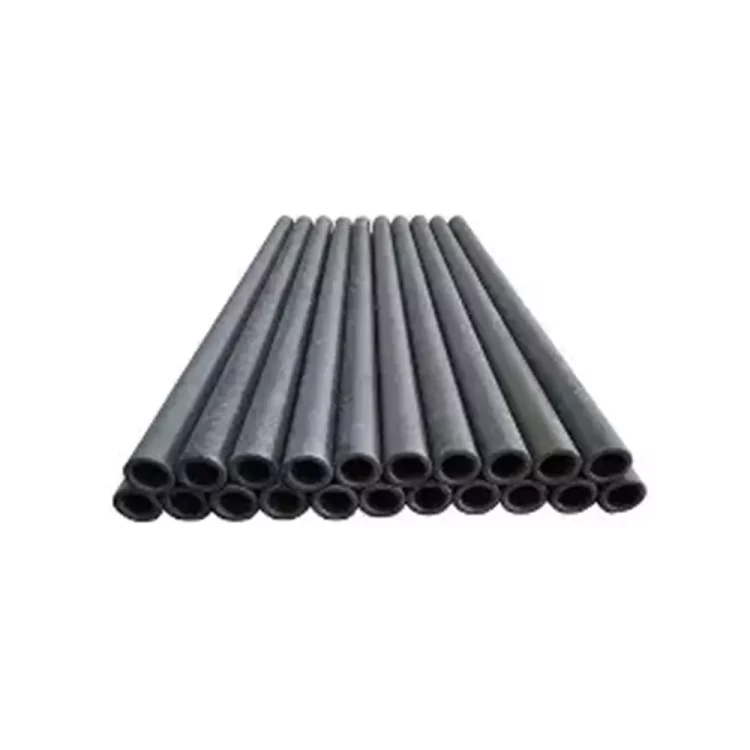
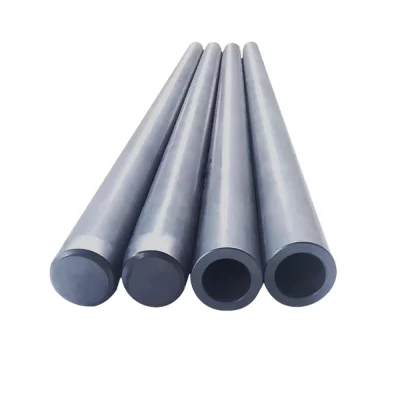
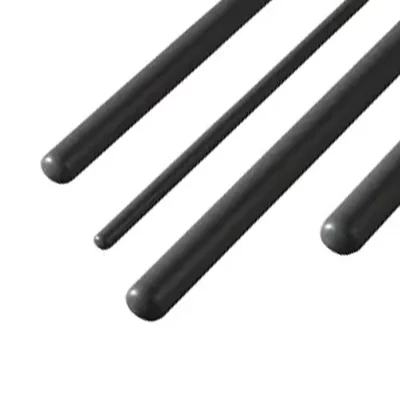

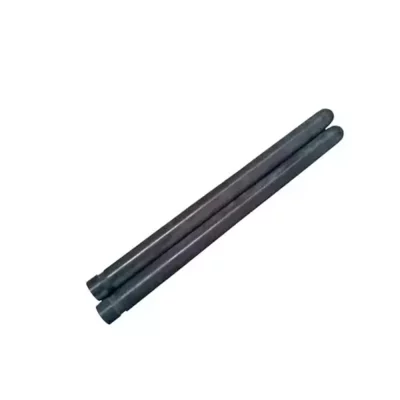
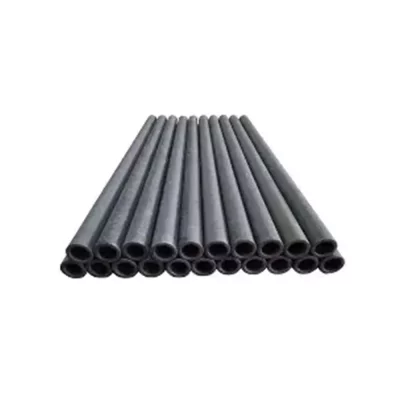
GORGEOUS CERAMICS (GGS Ceramic) silicon carbide thermocouple protection tubes are manufactured by extrusion forming of the blind end in one piece and high-temperature sintering.
Multiple protective packaging ensures zero damage during long-distance transportation

Grecognizing the fragile nature of silicon carbide protective tubes, GORGEOUS CERAMICS (GGS Ceramic) employs stringent industrial-grade export packaging standards to ensure safe delivery to your factory.
Internal and external tube protection: Each protective tube is individually wrapped with high-density EPE foam to prevent friction and collision between tubes.
Suspension shockproof filling: The outer box uses customized shockproof foam channels for secure support, providing comprehensive cushioning and shock absorption protection.
Product Delivery Time
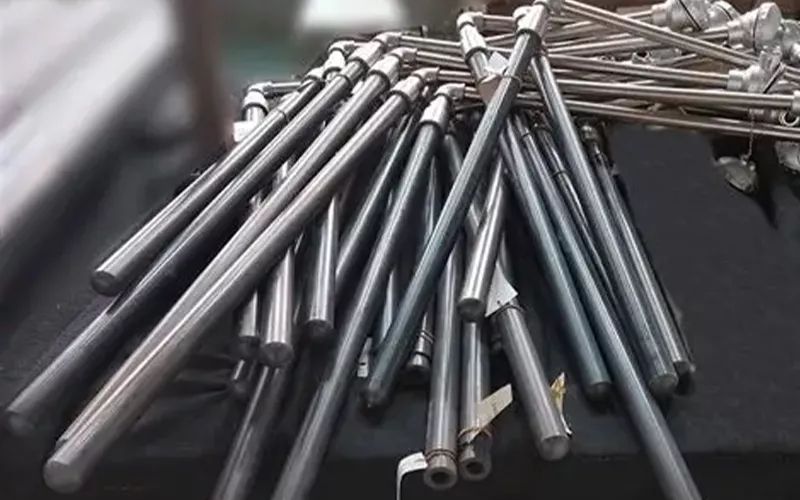
We understand the losses that factory downtime and waiting can cause to production lines. Therefore, GORGEOUS CERAMICS (GGS Ceramic) provides fast response and accurate delivery services: For common diameters and lengths, we maintain ample inventory of finished/semi-finished products, enabling us to complete inspection and shipment within 3-5 business days after order confirmation. For customized products, we can complete shipment within 3-4 weeks.
Advantages of silicon carbide thermocouple protection tubes
Stable operation at ultra-high temperature of 1900℃

Traditional metal and ordinary ceramic thermocouple protection tubes are prone to softening, bending, thermal stress fracture, or high-temperature oxidation at temperatures exceeding 1400°C, leading to thermocouple damage and temperature measurement distortion.
GORGEOUS CERAMICS (GGS Ceramic) silicon carbide thermocouple protection tubes perfectly solve this problem. Our silicon carbide material overcomes temperature limitations, operating stably at temperatures above 1650°C in oxidizing atmospheres and withstanding extreme temperatures up to 1900°C under inert gas protection.
With its extremely low high-temperature creep rate and excellent thermal stability, our silicon carbide protection tubes maintain structural integrity and dimensional stability even at extreme furnace temperatures, ensuring continuous, accurate, and reliable temperature feedback from the thermocouple under extreme conditions.
Excellent thermal shock resistance, capable of withstanding frequent temperature rises and falls

In high-temperature operating conditions with cyclical temperature rises and falls, if the material performance is insufficient, severe thermal stress can easily accumulate inside the tube, leading to frequent cracking and breakage under rapid heating and cooling. This will seriously affect continuous production and increase your downtime maintenance costs.
GORGEOUS CERAMICS (GGS Ceramic) silicon carbide thermocouple protection tubes combine a thermal conductivity of up to 140 W/m·K with an extremely low coefficient of thermal expansion.
The superior material properties of silicon carbide enable instantaneous and uniform heat conduction and eliminate internal temperature gradients. Whether dealing with rapid heating and cooling at temperatures exceeding 1000 degrees Celsius or high-frequency temperature cycles, it maintains structural integrity, significantly reducing the risk of protection tube bursting and extending equipment maintenance cycles.
Antioxidant, wear-resistant, and corrosion-resistant

In harsh kiln environments with high temperatures, high dust levels, and highly corrosive gases or molten materials, protective tubes are easily subjected to severe surface oxidation and peeling, thinning of the tube wall due to dust erosion, and even perforation.
GORGEOUS CERAMICS (GGS Ceramic) silicon carbide thermocouple protective tubes possess excellent chemical inertness and extremely high surface hardness. Under high-temperature oxidizing conditions, a dense SiO₂ protective film automatically forms on its surface, effectively preventing further oxidation.
Lower surface wear translates to lower replacement frequency and less unplanned furnace downtime.
Tanya Jawab Umum
1.What is a silicon carbide thermocouple protection tube?
A silicon carbide thermocouple protection tube is a high-performance, high-temperature resistant ceramic protection tube specifically designed to protect thermocouples from extreme temperatures, corrosive atmospheres, and mechanical wear.
2.What are the advantages of using silicon carbide thermocouple protection tubes compared to alumina thermocouple protection tubes?
Although alumina thermocouple protection tubes are more affordable, silicon carbide thermocouple protection tubes offer higher operating temperatures, superior thermal shock resistance, better oxidation resistance, and a longer service life, making them more suitable for high-end precision applications.
3.What is the maximum operating temperature of GORGEOUS CERAMICS (GGS) silicon carbide thermocouple protection tubes?
Depending on the material grade and operating environment, our thermocouple protection tubes can withstand temperatures up to 1600℃, and even higher temperatures when used in inert and reducing atmospheres.