Ceramic Manufacturing - Sintering
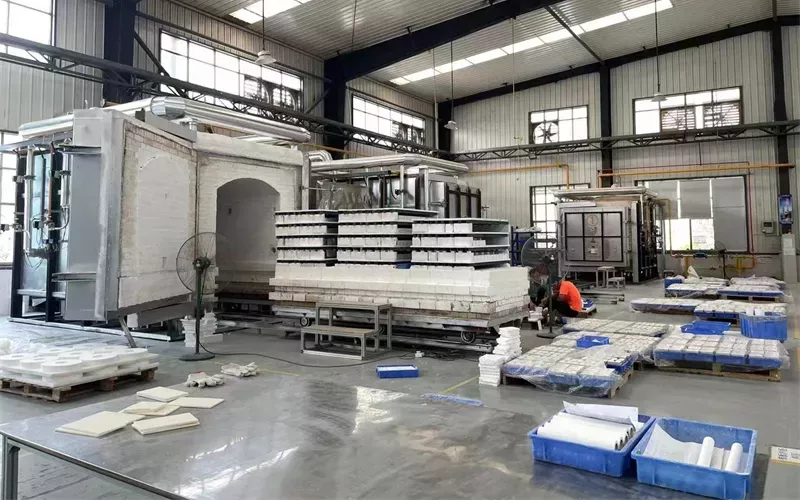
Sintering is one of the most critical and challenging core steps in industrial ceramics manufacturing. This process requires densification of the ceramic green body, allowing ceramic particles to diffuse and bond.
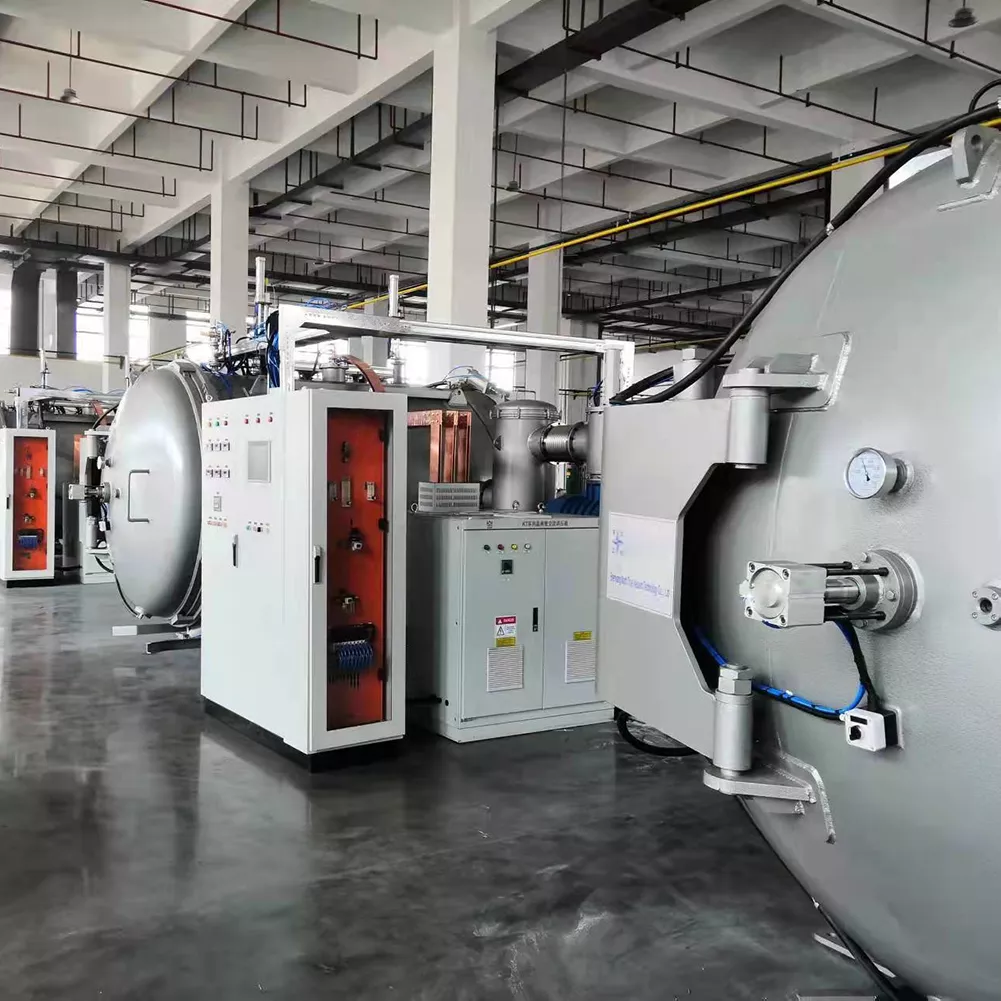
GORGEOUS CERAMICS, equipped with professional sintering furnaces, provides you with a one-stop precision ceramics solution.
There are various sintering methods for ceramic materials, and different processes will determine the performance and application suitability of the final product.
When selecting a process, GORGEOUS CERAMICS considers the type of ceramic material, target performance requirements, and specific application scenarios. It also comprehensively considers factors such as manufacturing costs, equipment conditions, and structural complexity, striving for perfect performance in precision ceramics.
Common Ceramic Sintering Methods
The selection of sintering processes varies significantly depending on the material system.
For example, when sintering ceramic materials such as alumina and zirconia, GORGEOUS CERAMICS chooses atmospheric pressure sintering or HIP (High-Intensity Interval) sintering; for silicon nitride ceramics, gas pressure sintering is selected; and for silicon carbide, reaction sintering is used to achieve near-net-shape forming of complex structures.
The following are common sintering processes:
- Atmosphere sintering (under conditions such as vacuum, nitrogen, or inert gas)
- Pressureless sintering (primarily used for sintering alumina, zirconium oxide, and aluminum nitride ceramics)
- Gas pressure sintering (core sintering process for silicon nitride)
- Atmospheric pressure sintering / hot pressing / HIP (mainstream sintering method for alumina)
- Reaction sintering (for silicon carbide sintering)
Why Choose GORGEOUS CERAMICS?
Choosing the right partner is crucial for product performance and long-term reliability. GORGEOUS CERAMICS not only provides manufacturing services but is also committed to delivering precision, stability, and reliability.
Below are frequently asked questions and answers from our customers.
What types of ceramic products can you manufacture/customize?
We possess a variety of advanced ceramic sintering process capabilities, covering a wide range of material systems, including: alumina (Al₂O₃), zirconium oxide (ZrO₂), aluminum nitride (AlN), silicon nitride (Si₃N₄), silicon carbide (SiC), etc., supporting the customized manufacturing of small-sized precision structural parts and large-sized irregular-shaped ceramic components.
How do you control quality during the sintering process?
GORGEOUS CERAMICS excels not only in ceramic manufacturing but also in its stable and reliable production.
In the sintering process, we employ rigorous quality control primarily through the following methods:
Years of production experience have led us to develop precise control over the heating/cooling curves during ceramic sintering. This significantly increases our sintering success rate and effectively prevents cracking due to thermal stress.
Our optimized sintering aid formulations ensure high density (99.9%+) and batch-specific consistency in ceramic production.
Strict furnace atmosphere control effectively prevents oxidation and decomposition.
Large-scale production equipment and standardized batch process parameters ensure the stability of mass production.
How do you avoid problems such as cracking, deformation, porosity, and batch inconsistency during the sintering process?
1. Controlling Heating and Cooling Profiles – This step effectively prevents cracking and warping. Thermal stress is one of the most common causes of cracking and deformation during ceramic sintering. During sintering, GORGEOUS CERAMICS strictly controls the heating and cooling rates (typically 1–5 °C/min) to ensure uniform temperature in ceramic components.
2. Optimizing Green Body Quality Before Sintering – Reducing Porosity and Deformation. We minimize defects at the source. We ensure uniform particle size distribution in the green body before sintering and remove binders and other organic matter.
3. Precise Temperature Control – Ensuring Uniform Densification of Ceramic Products. Our factory possesses extensive experience in sintering temperature control developed through long-term experimentation and research, allowing us to handle various ceramic materials with ease. Common sintering temperatures:
Alumina: 1500–1700 °C
Zirconium oxide: 1350–1550 °C
Silicon nitride: 1650–1800 °C
4. Controlling the furnace atmosphere – preventing oxidation, decomposition, and internal defects in the ceramic. We select appropriate atmospheres for different ceramic materials, such as vacuum or inert gases, and implement specific pressure ratio control for materials like silicon nitride.
5. Strict production tracking control – ensuring consistent product quality across different production batches. We have long-term cooperative relationships with raw material and process engineers, preventing such issues at the source. We conduct product research and development before production, establishing fixed and repeatable sintering curves, and tracking and recording parameters for each batch of products.
How can I order custom orders from you?
You only need to send us your drawings, and our technical department will provide services based on your application and specific process requirements.
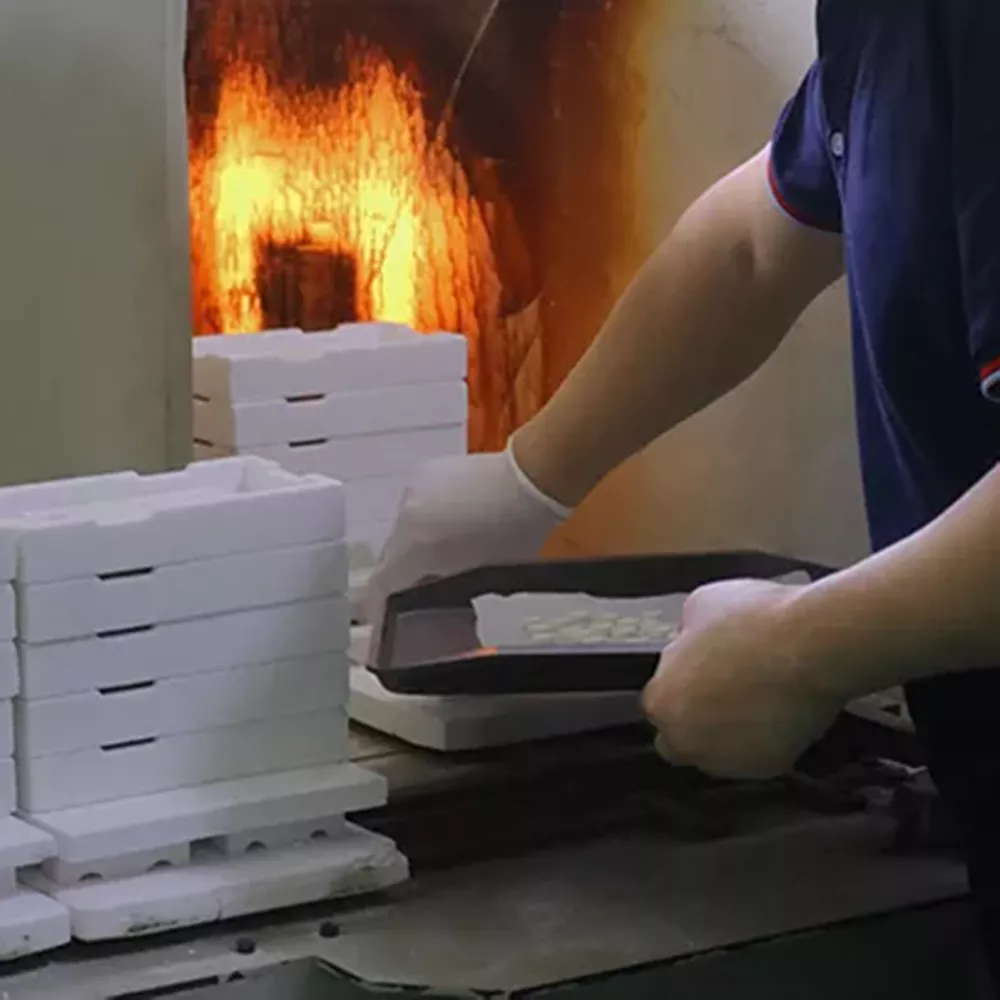
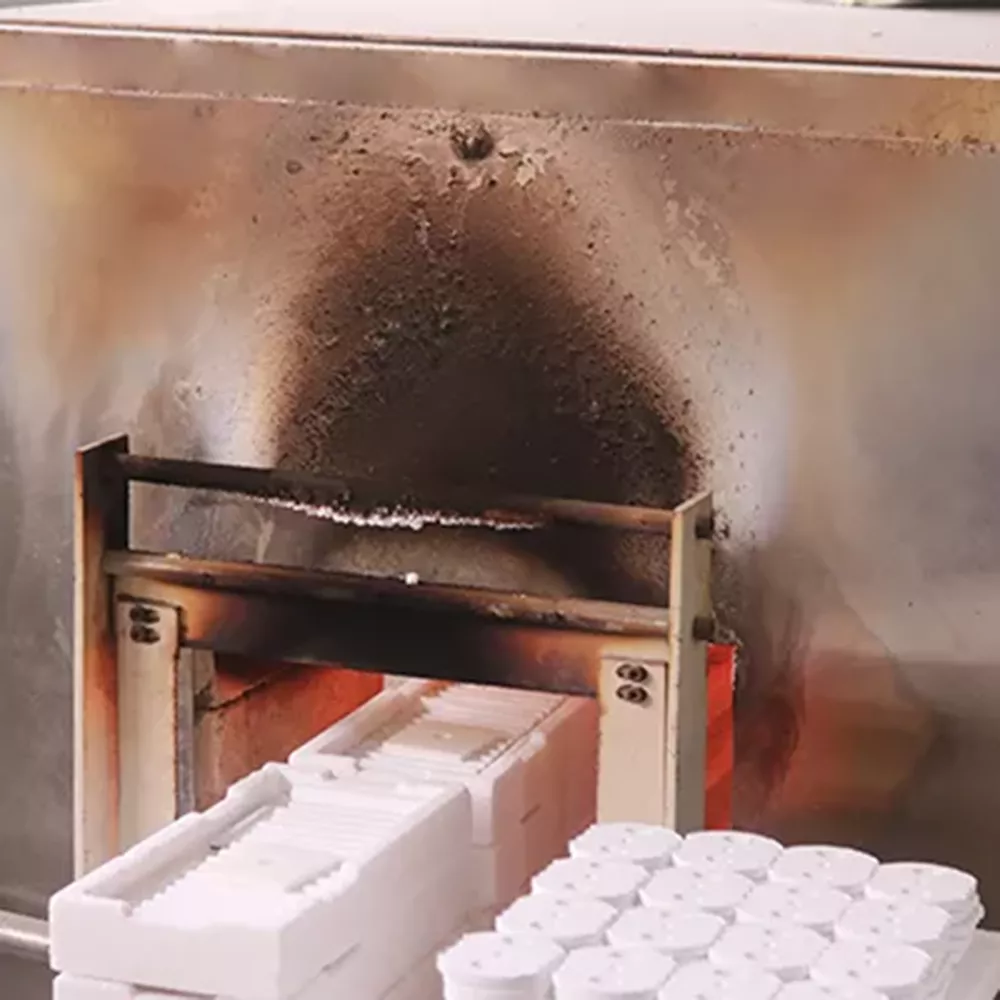
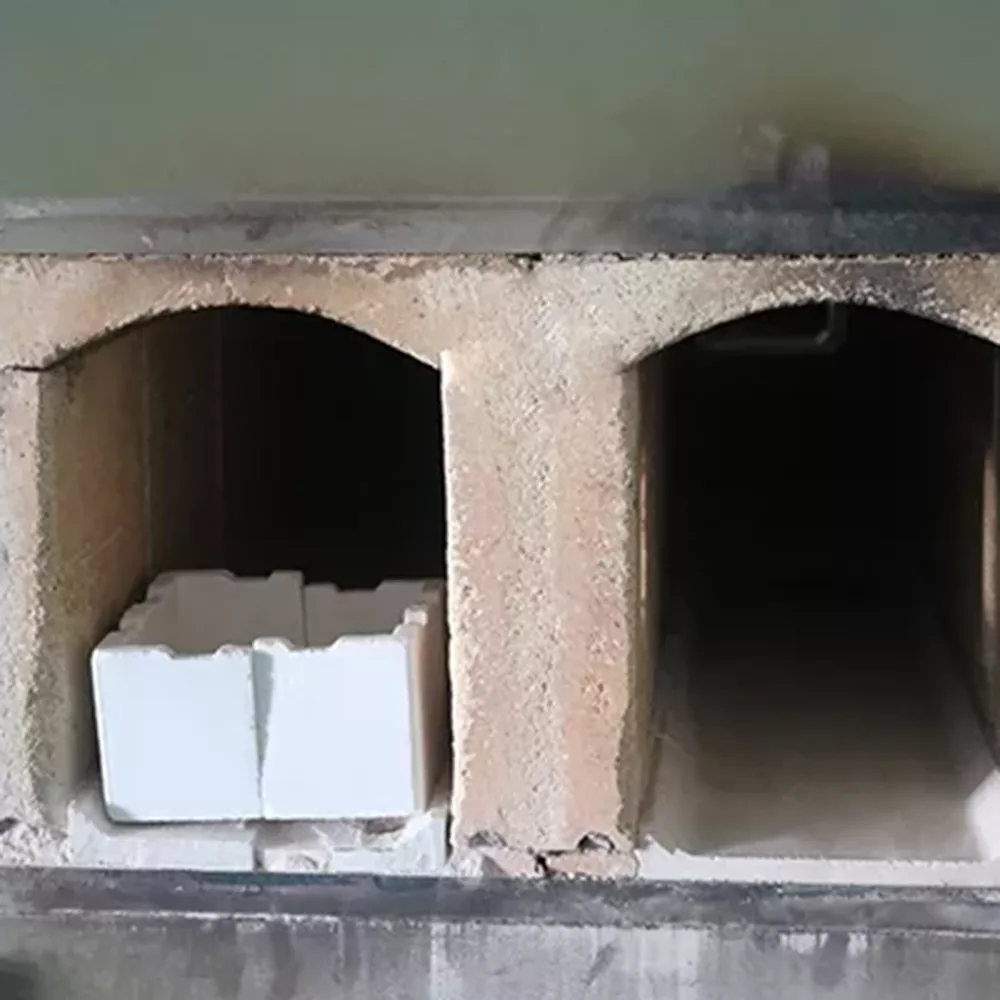
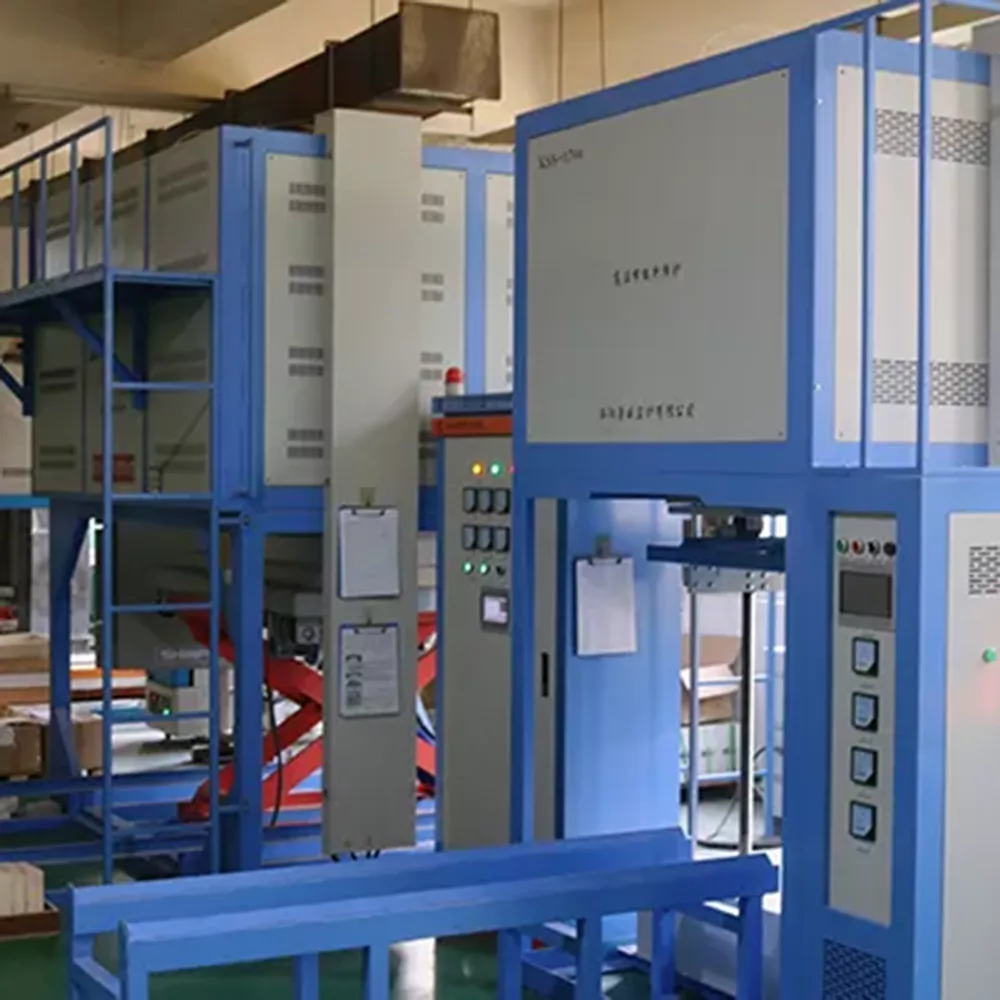
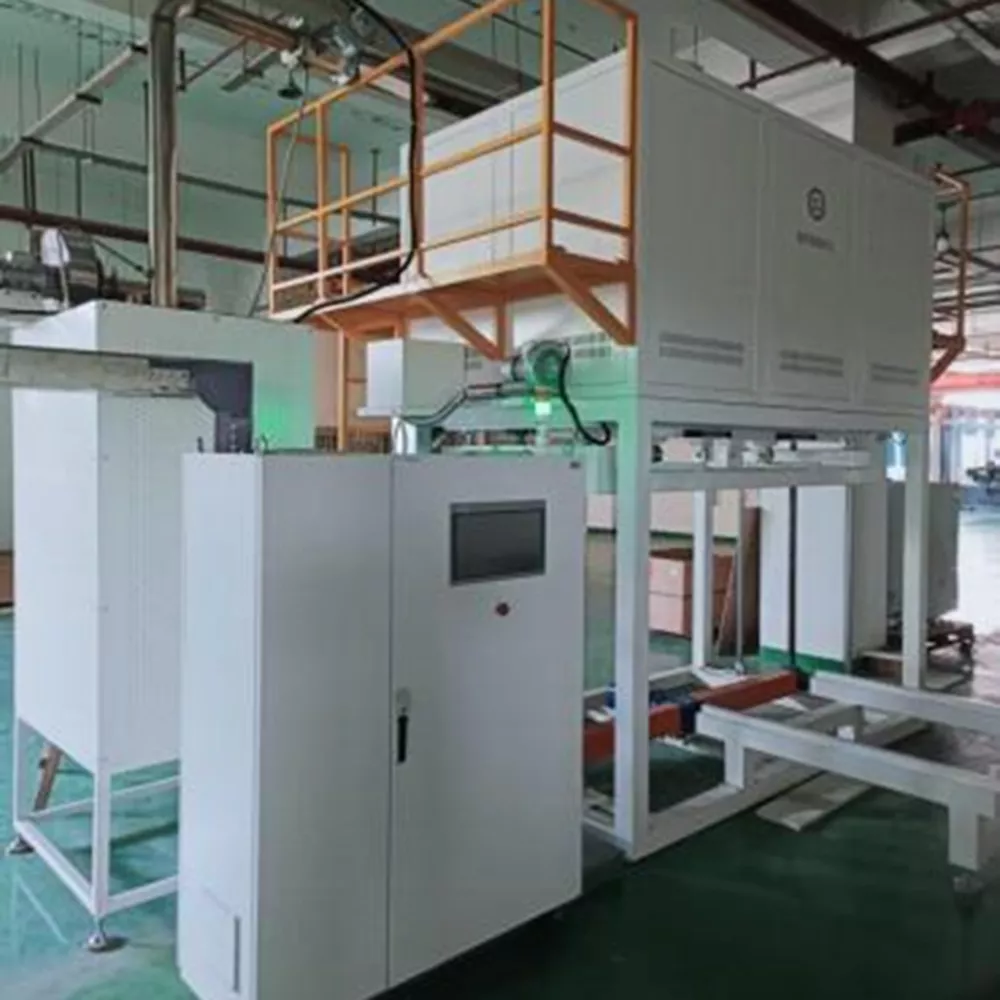
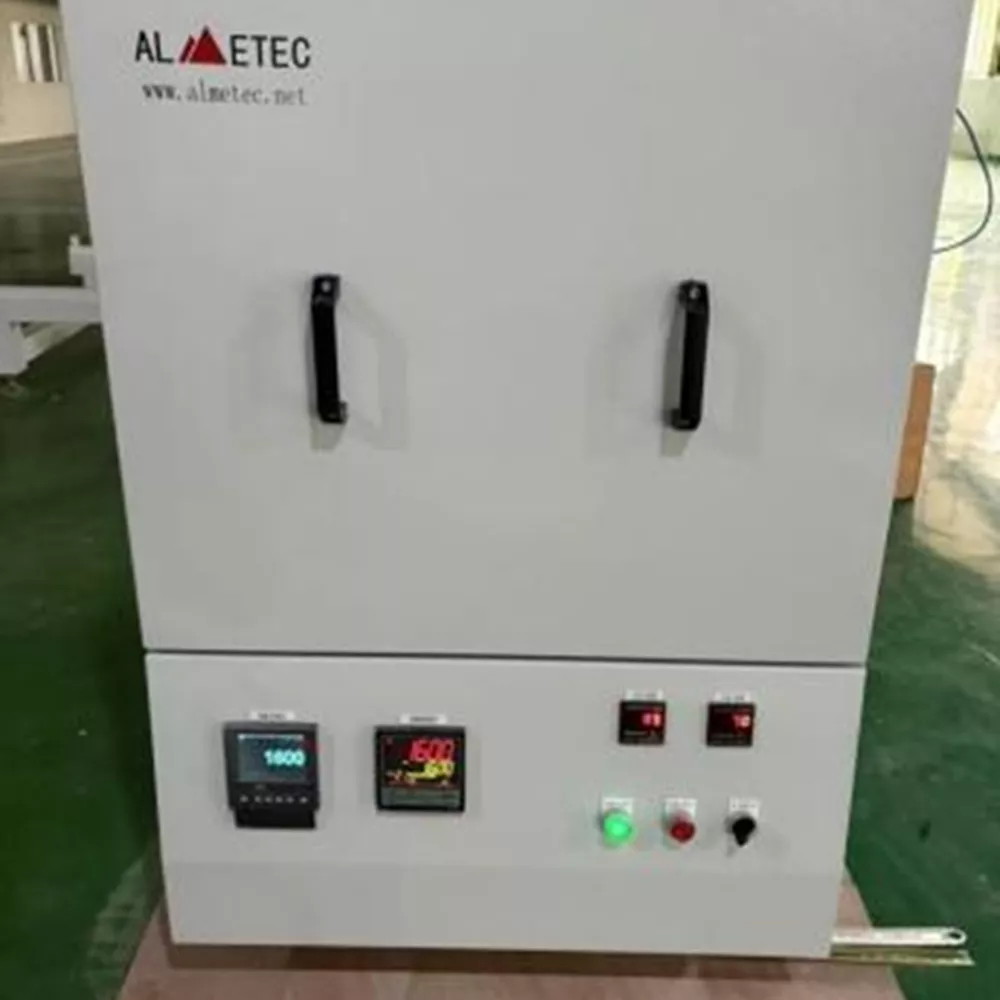
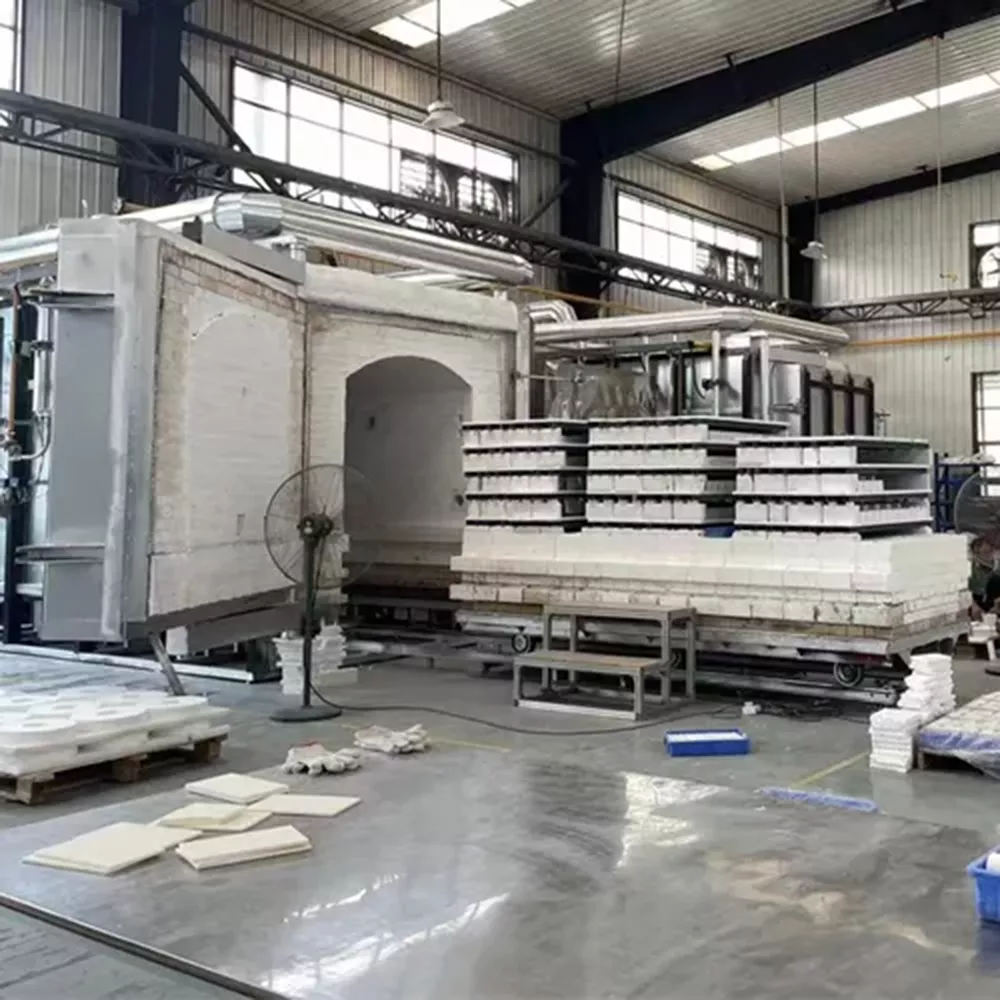
Sintering Process Gallery
 简体中文
简体中文  English
  Español
  Português (AO90)
  Français
  Deutsch (Sie)
  Русский
  Italiano
  Nederlands
  العربية
  Türkçe
  Polski
  한국어
한국어  日本語
日本語  Bahasa Indonesia
  Tiếng Việt