For many years, 陶瓷基板 have been an indispensable component of modern technology and industrial applications. This is primarily due to the superior properties of various substrate materials—unique mechanical strength, heat resistance, and insulation properties—making ceramic substrates the preferred choice for many industries, including electronics, automotive, and aerospace.
华丽的, a leading international supplier of substrates, will now provide you with a comprehensive overview of ceramic substrates.
什么是陶瓷基板?
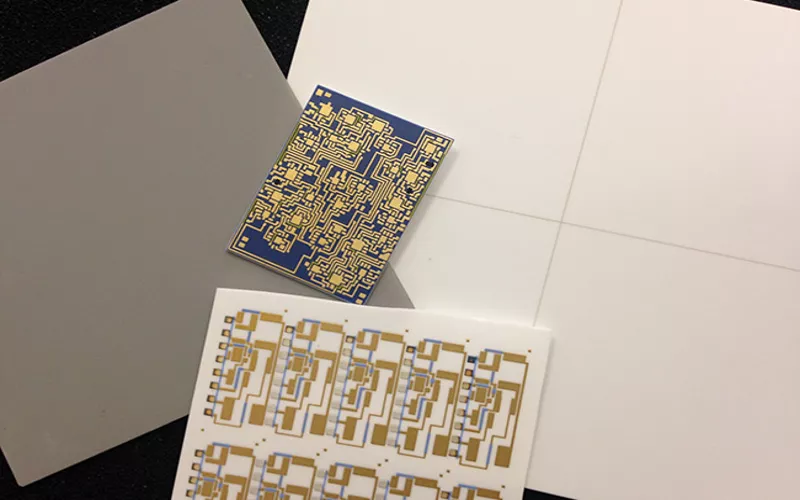
Ceramic substrates are a special type of high-grade ceramic. They typically appear in thin-layer form and are mainly made of materials such as 氧化铝, 碳化硅, 氧化铍, 氮化铝, or glass ceramics. They are commonly used as substrates and carriers for various electronic and mechanical components.
陶瓷基板的主要特性是什么?
The following are some of the most notable characteristics of ceramic substrates:
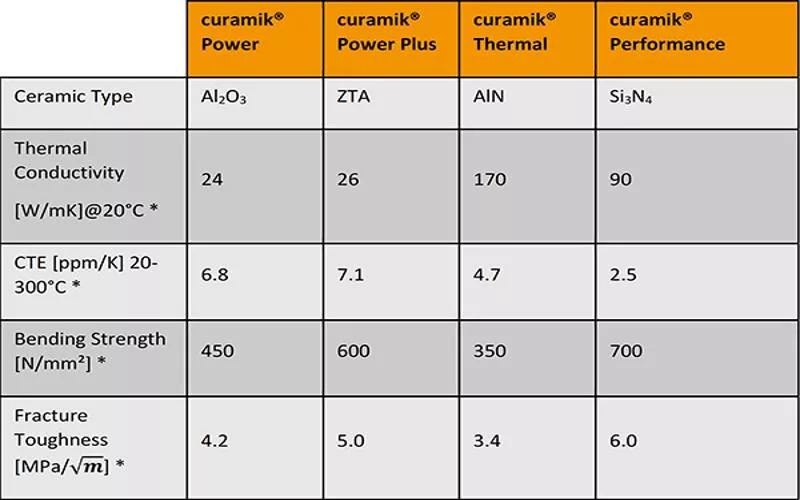
优异的耐热性
One of the most impressive properties of ceramic substrates is their exceptional high-temperature resistance. Even under harsh temperature conditions, they maintain excellent performance without any failures. This makes them indispensable in high-temperature applications.
令人印象深刻的机械强度
Another notable characteristic of ceramic substrates is their strength. They are extremely robust, maintaining good performance even under pressure. In addition to their hardness, they also possess exceptional wear resistance, which is a significant reason for their long service life.
轻松定制
Ceramic substrates are not limited to certain shapes. Their weight and shape can be customized to suit different applications. This characteristic makes them suitable for a wide range of industries and fields.
优良的电绝缘体
Unlike some other ceramic semiconductor materials, ceramic substrates are excellent electrical insulators. Using ceramic substrates, you can easily prevent unwanted current from flowing through them. This property also helps protect electronic components that require isolation.
重量
Another excellent and distinctive feature of ceramic substrates is the weight.Even though they are strong, their weight is very light.
使用陶瓷基板有哪些好处?
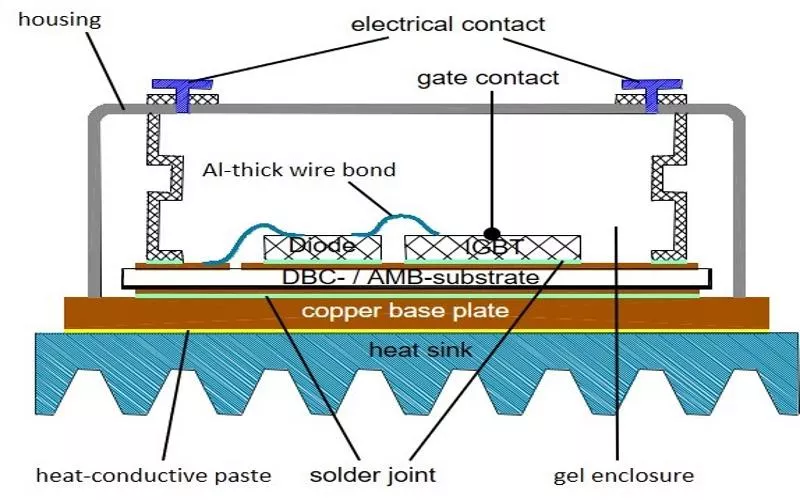
So what are the advantages of ceramic substrates? What are the advantages of ceramic substrates compared to other materials?
能够承受恶劣和极端条件
Ceramic substrates possess excellent resistance to extreme environments, meaning they can operate efficiently even at extreme temperatures. Many other substrate materials lack this characteristic. This property makes ceramic substrates the undisputed ideal material in numerous industries, including telecommunications and automotive.
寿命长、耐用
Unlike other substrates, ceramic substrates are durable and have a longer lifespan. They are not easily torn or worn and retain their performance even after many years. For example, ceramic substrates are used in sensors, which helps extend the sensor’s lifespan.
可定制性和灵活性
Another important characteristic of ceramic substrates is their flexibility. Ceramic substrates are not limited to a single shape, form, or weight. Their weight and shape can be adjusted as needed to meet different application requirements. This makes ceramic substrates suitable for a wide range of applications across various industries, thus expanding their uses and influence.
成本效益
While ceramic substrates are indeed more expensive than ceramic semiconductors and other similar materials, their durability and long service life make them more cost-effective in the long run. They are less prone to damage, thus reducing the need for replacement or modification.
环保
Compared to other alternative materials, ceramic substrates are more environmentally friendly. They pose less harm to the environment; in fact, many ceramic substrates are recyclable. This makes them a better choice for industries looking to reduce environmental impact.
陶瓷基板有哪些类型?

陶瓷基板种类繁多,每种基板都采用不同的材料,适用于不同的用途
让我们快速深入了解一下它们是什么:
Silicon Carbide Substrate
One of the most notable characteristics of silicon carbide substrate is its exceptional strength, chemical stability, and wide bandgap. They are also commonly used in harsh environments because they maintain good performance at high temperatures. Silicon carbide substrates are widely used in industries such as automotive, gas sensors, and even aerospace.
Alumina Substrate
氧化铝基板 possess excellent mechanical strength and high insulation properties, and their cost is lower compared to other ceramic materials. They are the most widely used substrate material, suitable for general electronic packaging and LED applications.
氧化铍基板
Beryllium oxide is a commonly used material in the manufacture of ceramic substrates. Like other materials, beryllium oxide is unique in its ability to dissipate heat rapidly, but this can also lead to overheating.
玻璃陶瓷基板
Glass-ceramic substrates are also a unique type of ceramic substrate. They are composed of a composite of glass and ceramic materials. The outstanding features of this type of substrate are its light weight and high durability. They are widely used in electronic devices and the medical industry.
氧化镁(MgO)基板
Magnesium oxide substrates are also an excellent ceramic substrate material. In fact, they have good heat dissipation properties, effectively preventing overheating. All these characteristics make them an important factor in high-temperature industrial applications.
陶瓷基板有哪些应用?
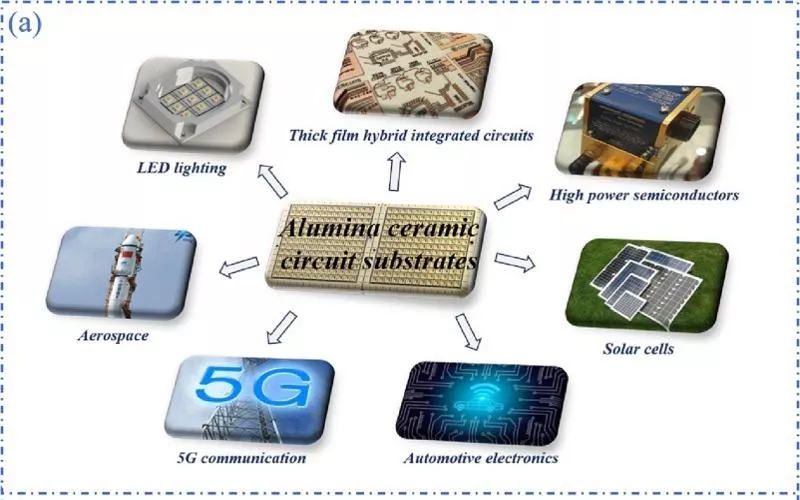
Ceramic substrates have a wide range of properties and applications. Below, GORGEOUS will guide you through the various uses of ceramic substrates.
电子行业中的陶瓷封装半导体
Ceramic-encapsulated semiconductors are crucial in the electronics industry. Due to the fragility of certain electronic components, ceramic-encapsulated semiconductors effectively protect them. This makes them indispensable to industries that manufacture electronic devices.
So, what is the role of the ceramic substrate?
The ceramic substrate serves as a protective base for electronic components, and its superior properties help ensure their durability and continuous, efficient operation.
传感器
We already know that ceramic substrates perform well under harsh temperatures. This characteristic is extremely useful in the production of gas sensors. Furthermore, in ceramic-encapsulated semiconductors, they also improve sensor efficiency, thus helping gas sensors to detect gases efficiently and accurately.
Therefore, whether detecting toxic gases or gases of specific concentrations, they help sensors operate efficiently.
医疗行业
您可能已经注意到,医疗领域对陶瓷基板应用的重视。
这句话的意思如下:
生物相容性 and durability are core components of many medical devices and guess what, ceramic substrates champion its effectiveness.
Peacemaker 就是这样一种用于治疗心脏病患者的医疗设备。
在这样的应用中,陶瓷封装半导体也有助于安全地容纳精密的电子元件。
陶瓷基板最适合医疗行业,因为它们与人体接触时不会引发任何不必要的反应。
汽车和航空航天工业
Ceramic substrates are equally crucial in the aerospace and automotive industries. They help ensure that ceramic-packaged semiconductors function well even under harsh temperatures. Some of the types we mentioned earlier (such as alumina) are used in numerous fields, including ignition control and engine control.
电子的
The electronics industry requires highly efficient semiconductors to handle high currents. Ceramic substrates, with their excellent thermal conductivity, aid in heat dissipation and ensure the system operates as expected.
Other advanced ceramic materials, such as heat-resistant silicon carbide, are also favored ceramic substrate materials in the electronics industry. Electric vehicles and even solar power generation systems are typical applications of ceramic substrates.
综上所述
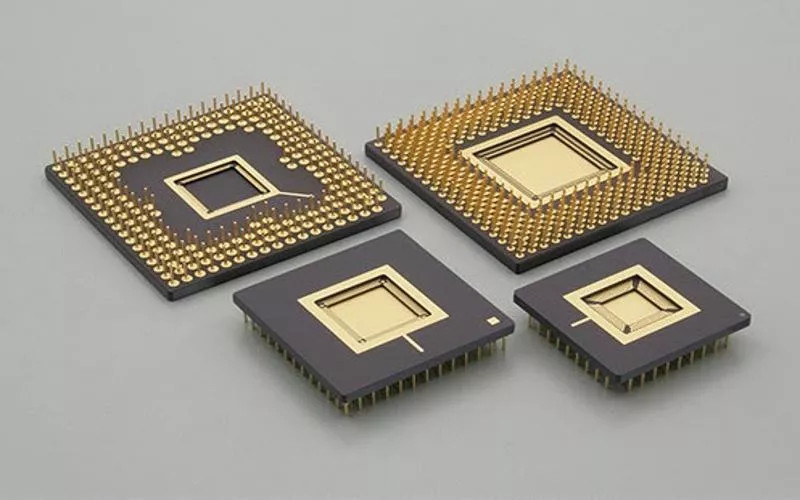
Ceramic substrates are an indispensable component of modern electronic and industrial systems.
If you are looking for a reliable ceramic substrate supplier, GORGEOUS is the ideal choice.
We offer high-quality alumina, silicon carbide, and other advanced ceramic substrates, and can tailor solutions to your application needs.