陶瓷坩埚是一种具有高熔点和出色耐高温性能的容器。它集化学稳定性与低热膨胀系数于一身,使其成为实验室、冶金、半导体制造及其他领域超高温应用中不可或缺的工具。
陶瓷坩埚主要由先进陶瓷材料制成,例如 氧化铝, 氮化硼, 和 氧化锆在本文中,我们将深入探讨陶瓷坩埚的材料选择、核心特性及使用寿命,以帮助您为超高温应用选择最合适的产品。
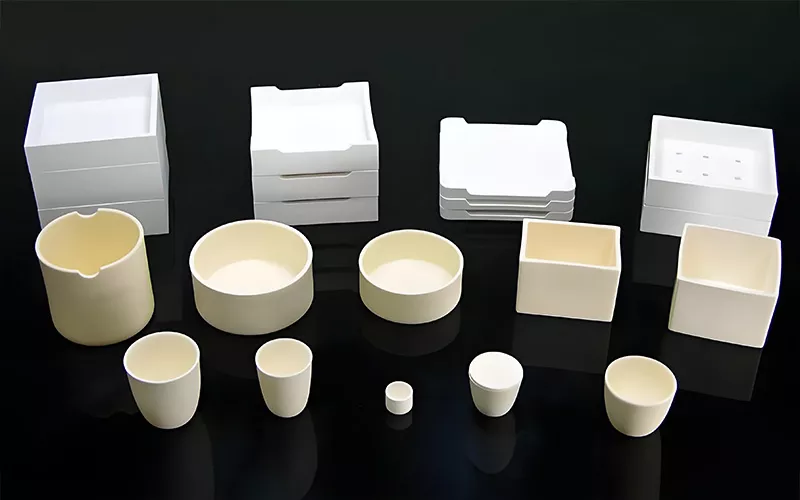
陶瓷坩埚的材质有哪些?
氧化铝坩埚
氧化铝陶瓷坩埚 主要由纯度为 99.7% 的氧化铝制成。您知道吗?在生产过程中,许多制造商(例如 GORGEOUS)会添加少量的氧化镁(MgO)和二氧化硅(SiO2),以赋予坩埚更优异的物理和化学性能。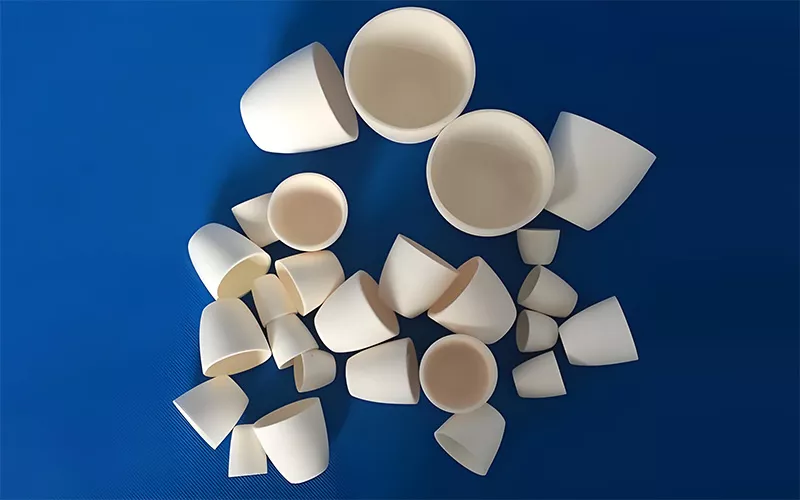
核心特性:耐高温性能——氧化铝坩埚在氧化还原气氛下可承受约 1700°C 的高温。氧化铝坩埚在提供优异性能的同时,还具备出色的价格竞争力,是许多生产厂商的首选材料。
应用领域:氧化铝坩埚主要用于实验室及工业冶金、加热工艺和化学反应等领域。
优势:氧化铝坩埚是市场上最具性价比的陶瓷坩埚之一。氧化铝的高熔点和低热膨胀系数使其具备出色的抗裂性能。它们是弱碱性物质的理想反应容器。
局限性:强腐蚀性物质(例如强碱氢氧化钠 NaOH)会严重损坏氧化铝坩埚。对于此类材料,GORGEOUS 建议使用具有出色的耐腐蚀性能的坩埚材质,而非氧化铝坩埚。
氧化锆坩埚
Zirconia crucibles 主要由高纯度氧化锆制成。其极高的耐高温性能和优异的化学稳定性,使其成为超高温熔炼工艺的理想选择。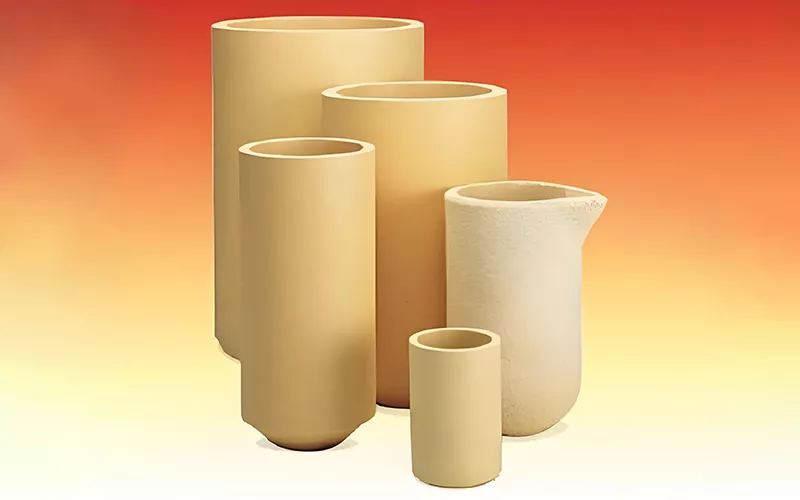
核心特性:氧化锆坩埚具备极高的耐高温性能,最高可承受 2000°C 的高温,非常适合熔炼铂(Pt)、钯(Pd)等贵金属。
氧化锆还具备出色的耐化学腐蚀性能,即使在含有强酸和强碱的恶劣环境中也能保持稳定的结构,使其成为易腐蚀工艺的理想坩埚材质。
Applications: Zirconia crucibles are primarily used in precious metal melting and certain processes involving high-melting-point materials.
氧化锆增韧氧化铝坩埚(ZTA坩埚)
Zirconia-toughened alumina crucibles (ZTA) are primarily made of 90% alumina and 10% zirconia. This ceramic material combines the advantages of both alumina and zirconia, offering excellent high-temperature resistance and high toughness.
核心特性:
High Toughness - The addition of zirconia significantly improves the crucible’s crack and wear resistance, reducing damage caused by high temperatures and mechanical shock.
High-Temperature Resistance - ZTA crucibles can withstand temperatures up to 1700°C and operate stably in high-temperature environments.
Thermal Shock Resistance - Compared to pure alumina crucibles, ZTA crucibles offer higher thermal shock resistance, are more stable under severe temperature fluctuations, and are less prone to cracking.
Applications: These crucibles are primarily used in processes requiring high mechanical strength and high-temperature stability.
氮化硼坩埚(PBN坩埚)
氮化硼坩埚 are specially designed for use at extremely high temperatures. Their primary component is pyrolytic boron nitride.
核心特性:
耐高温性能——氮化硼坩埚具备极其出色的耐高温性能。在保护气氛下,其耐受温度最高可达 2100°C 并保持稳定。在超高温环境下,它既不会熔化,也不会与基板发生化学反应。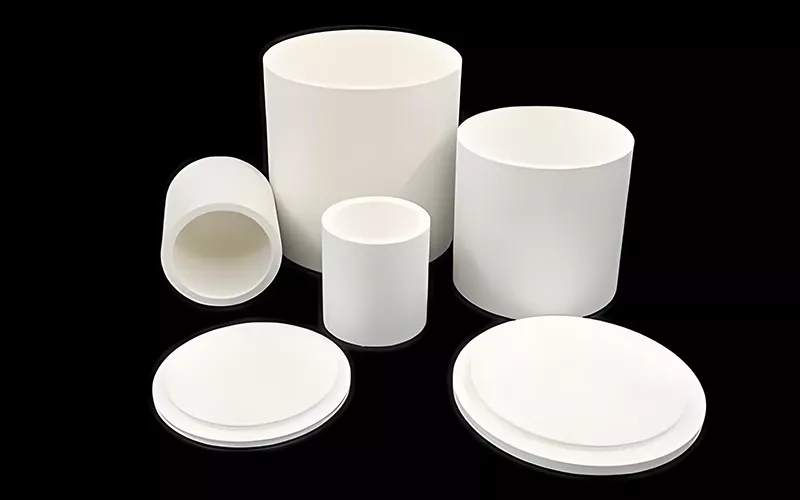
热导率——氮化硼坩埚具有优异的热导率,能够快速散热,从而有效防止局部过热、热应力和热损伤。
低热膨胀系数——氮化硼具有较低的热膨胀系数,在需要快速升温或降温的高温工艺中,能够有效降低坩埚开裂的风险。
应用领域:氮化硼坩埚主要用于半导体制造和金属熔炼等高温工艺。在半导体行业中,它们常用于化学气相沉积(CVD)、晶体生长以及高温蒸发等关键工序。
其他陶瓷材料
除了上面提到的常见陶瓷材料外,还有氧化镁、氧化铍等优质坩埚材料,它们都具有优异的高温性能,是很多金属冶炼、实验室必备的坩埚容器材料。
如何保证坩埚的使用寿命?
如果您希望坩埚具备更优异的性能和更长的使用寿命,建议按以下步骤进行操作:
贮存:
最好将使用过的坩埚存放在干燥、清洁的环境中,以防止其吸收水分和污染。应避免将坩埚存放在化学品附近或高湿度环境中。
操作:
应使用适当的工具操作坩埚,避免用手直接接触,使用后检查是否有裂纹或损坏。
清洗与维护:
每次使用后,应彻底清洁坩埚。应清除所有残留物,并注意待其充分冷却后再进行清洁,以防止热冲击和开裂。
常问问题
1.什么是坩埚?
坩埚是一种专为在极高温度下使用的容器,主要用于金属冶炼和化学反应。
2、陶瓷坩埚的熔点是多少?
陶瓷坩埚的熔点主要取决于所用材质,例如氧化铝坩埚可耐1650℃至1700℃之间的温度,而氧化锆坩埚则可耐高达2000℃的温度。
3.陶瓷坩埚在化学中有什么用途?
陶瓷坩埚常用于高温金属冶炼、作为化学反应容器、材料加工容器等。
4、陶瓷坩埚的作用是什么?
陶瓷坩埚主要用于高温加热、熔化或精炼材料等,也可作为某些化学反应的容器。
5、陶瓷坩埚的材质特性有哪些?
陶瓷材料具有熔点高、热膨胀系数低、热稳定性好、耐化学腐蚀等特点。
6.陶瓷坩埚可以用来熔化强碱性物质吗?
这主要取决于坩埚的材质。一般情况下,我们不建议您使用氧化铝坩埚来熔化强碱性物质,例如氢氧化钠(NaOH)、过氧化钠(Na₂O₂),因为这些物质可能会腐蚀坩埚。
7、瓷坩埚与陶瓷坩埚有什么区别?
瓷坩埚通常是指由瓷质材料制成的坩埚,陶瓷坩埚比传统的瓷坩埚性能更强,可以承受更高的温度,机械性能也更强。
8.如何加热陶瓷坩埚?
陶瓷坩埚加热时,应根据坩埚材质的特性选择合适的加热方式,需要注意的是,加热过程中应避免突然冷却或加热,这样容易导致坩埚破裂。
9、陶瓷坩埚的保养方法有哪些?
坩埚使用完毕后应彻底清洗,去除残留物,并使用适当的清洗液进行清洗,最后用纯净水冲洗干净并晾干备用。
结论
陶瓷坩埚是现代化学和冶金工业中不可或缺的工具。它们能够在极端温度和恶劣的化学环境中工作,在广泛的科学和工业应用中发挥着关键作用。作为全球领先的先进陶瓷供应商,GORGEOUS(高爵)提供由多种材料制成的定制陶瓷坩埚。感谢您阅读本文,希望对您有所帮助。