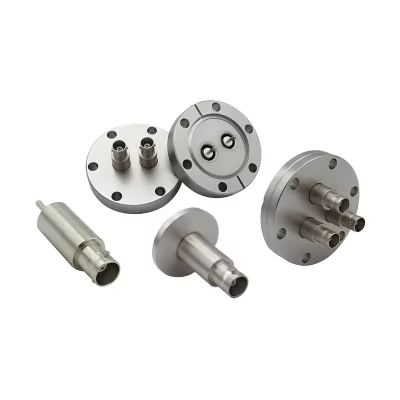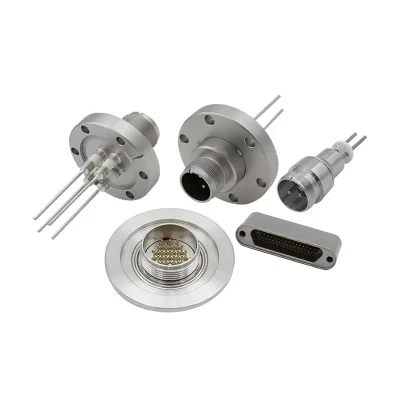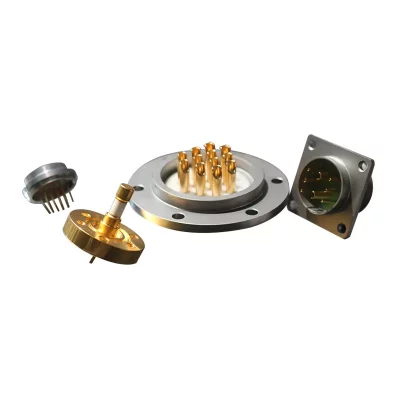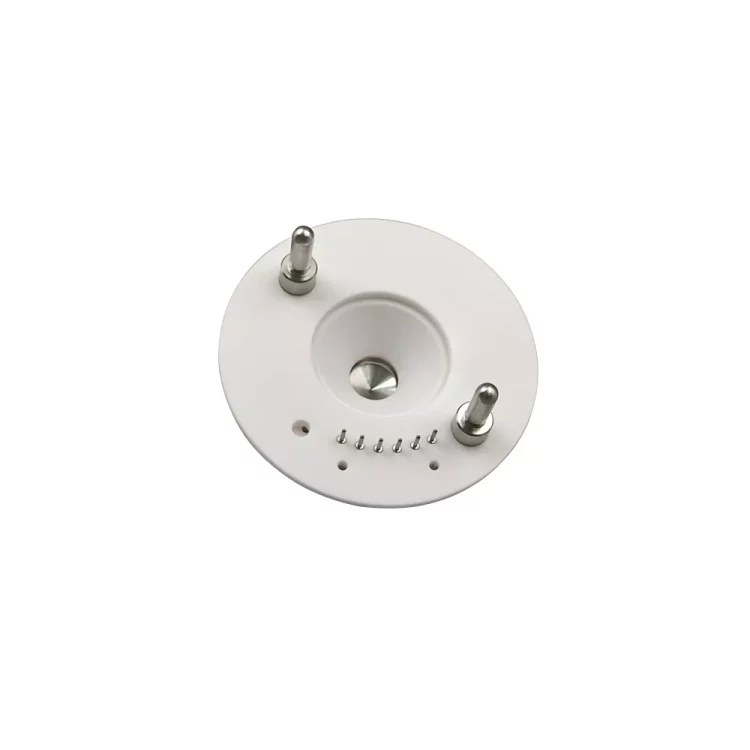
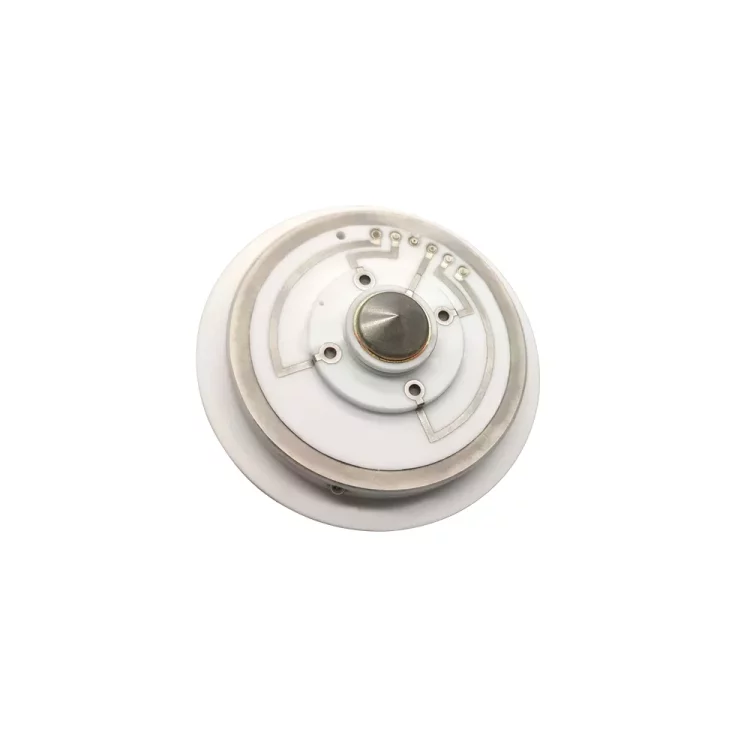
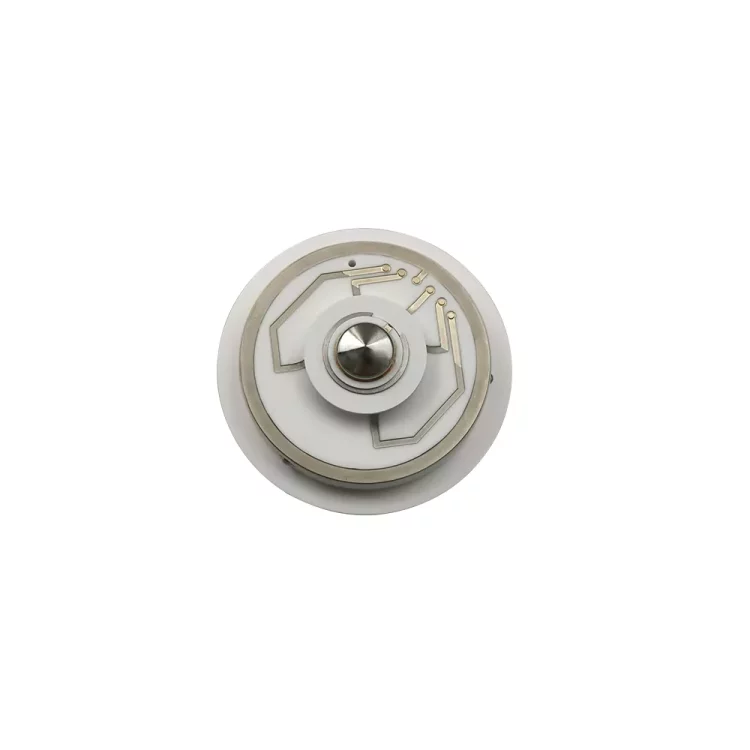
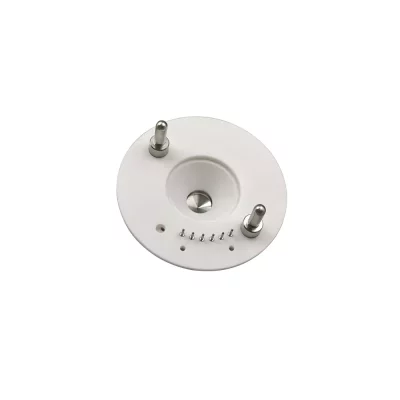
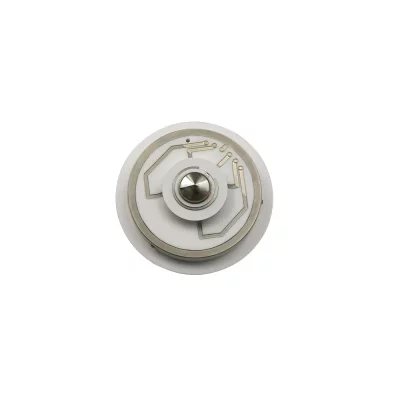
GORGEOUS CERAMICS (GGS) offers custom-made ceramic brazed parts. There are various methods for joining ceramics and metals, primarily including brazing, diffusion welding, fusion welding, and oxide glass solder joining. Brazing is one of the main methods for achieving high-strength ceramic-metal seals. Ceramic brazing is further divided into metallization processes (activated Mo-Mn method) and activated brazing filler metal methods.
Ceramic brazing uses Kovar materials with a coefficient of linear expansion similar to ceramics or oxygen-free copper components to braze metallized ceramic parts to achieve a ceramic-metal seal. This seal can be argon-arc welded to stainless steel, thus achieving a hermetic connection between the ceramic and metal structural components. This ceramic-metal seal structure features high seal strength, good hermeticity, and high reliability.
GORGEOUS CERAMICS (GGS) products employ various sealing structures, including sleeve seals, flat seals, needle seals, and knife-edge seals, to meet the needs of different customers.
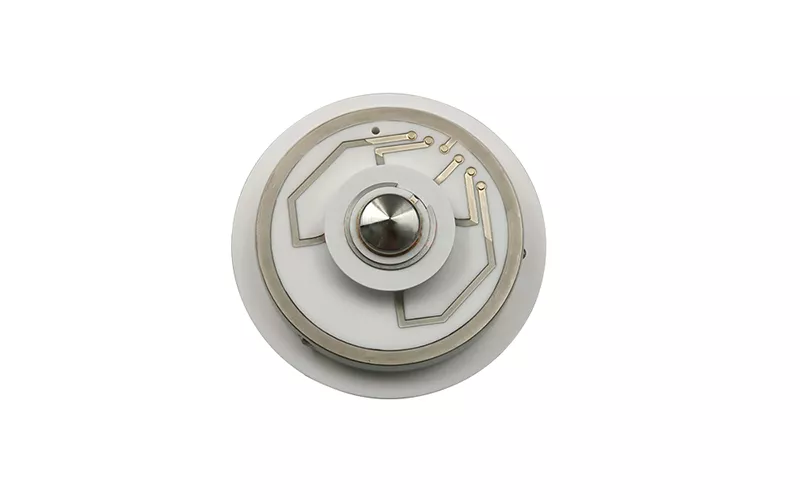
Ceramic-metal feedthrough material supply
| Isolator | Keramik Alumina |
| Logam | Paduan Kovar |
| Baja tahan karat 304/316, Inconel 600 | |
| Nikel | |
| Tembaga | |
| Paduan Nikel-Besi | |
| Tembaga Nikel | |
| Molibdenum | |
| Bahan Pematrian | Perak |
| Tembaga | |
| Paduan Perak-Tembaga | |
| Paduan Emas-Tembaga |
Product advantages and wide variety
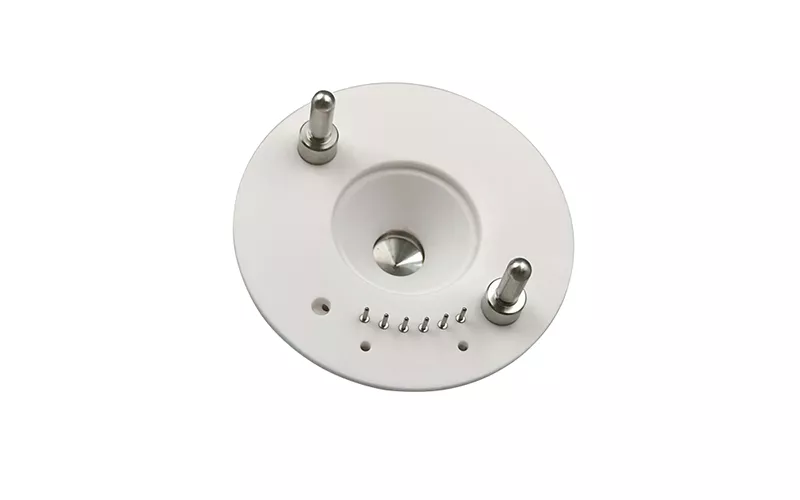
The combination of ceramics and metals is crucial for improving a system’s thermal management, radiation resistance, and structural strength. Brazing ensures efficient system operation in extreme environments.
Ceramic brazed components can form an absolutely dense, non-porous sealing interface, achieving ultra-high vacuum sealing—the only practical technology that maintains connection performance in medium- and high-temperature environments (>500°C).
Tanya Jawab Umum
What are the commonly used ceramic materials for ceramic heating plate bases?
The most commonly used materials include alumina (Al₂O₃), aluminum nitride (AlN), and silicon nitride (Si₃N₄). Alumina offers electrical insulation and cost-effectiveness, while aluminum nitride provides excellent thermal conductivity.
Why are ceramic heating plate bases typically brazed to metal components?
Brazing creates a strong and reliable connection between the ceramic and the metal, enabling efficient heat transfer while maintaining electrical insulation.
What is the maximum operating temperature that the ceramic heating plate base can withstand?
The maximum operating temperature depends on the ceramic material and assembly design, and it can operate at temperatures above 1000°C.