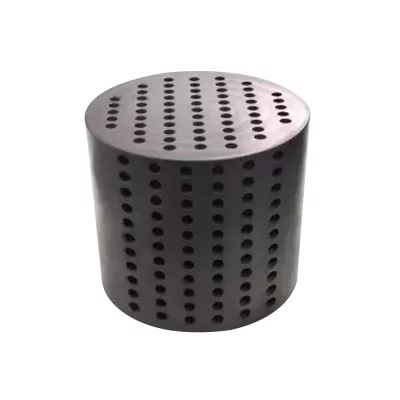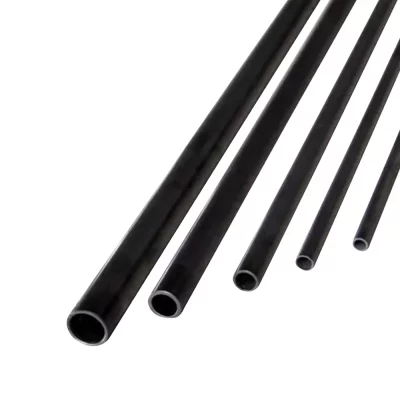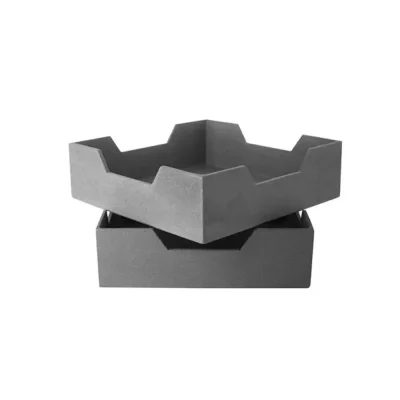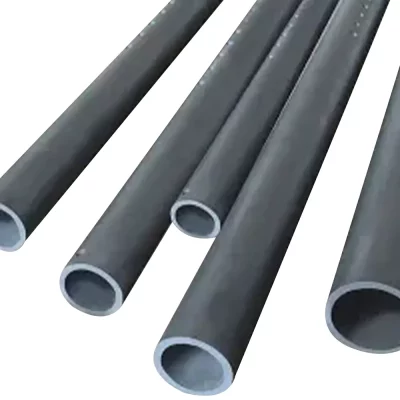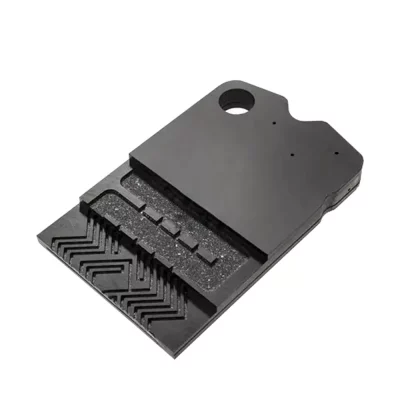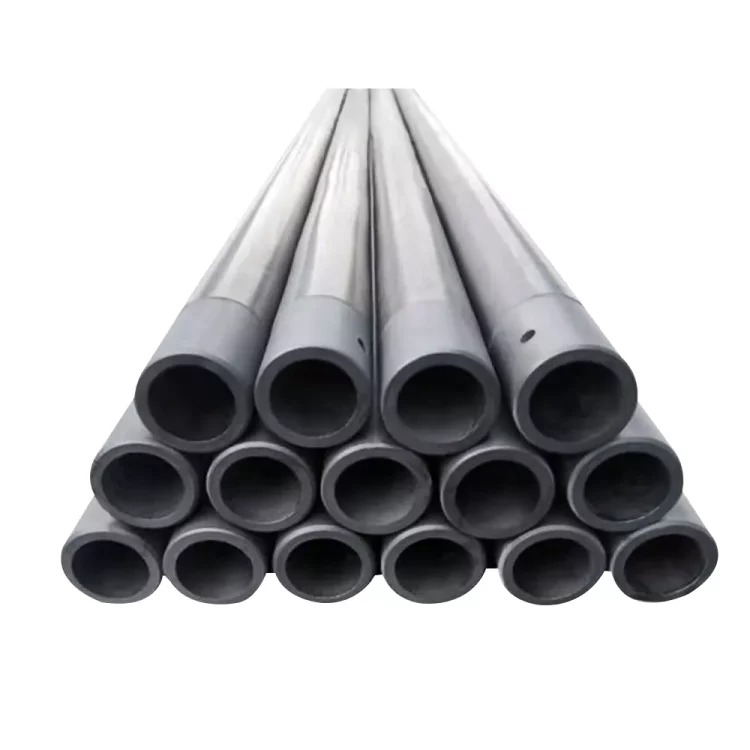
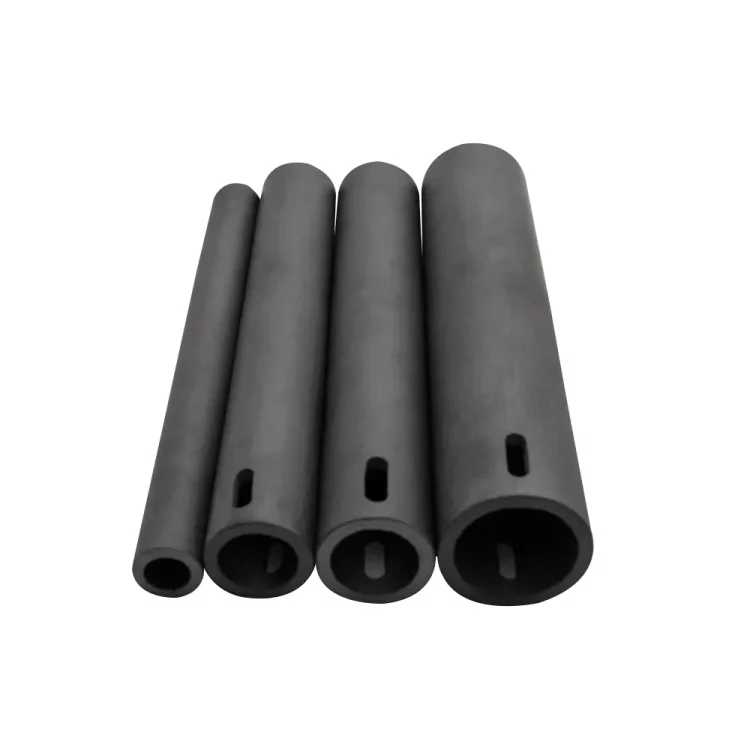
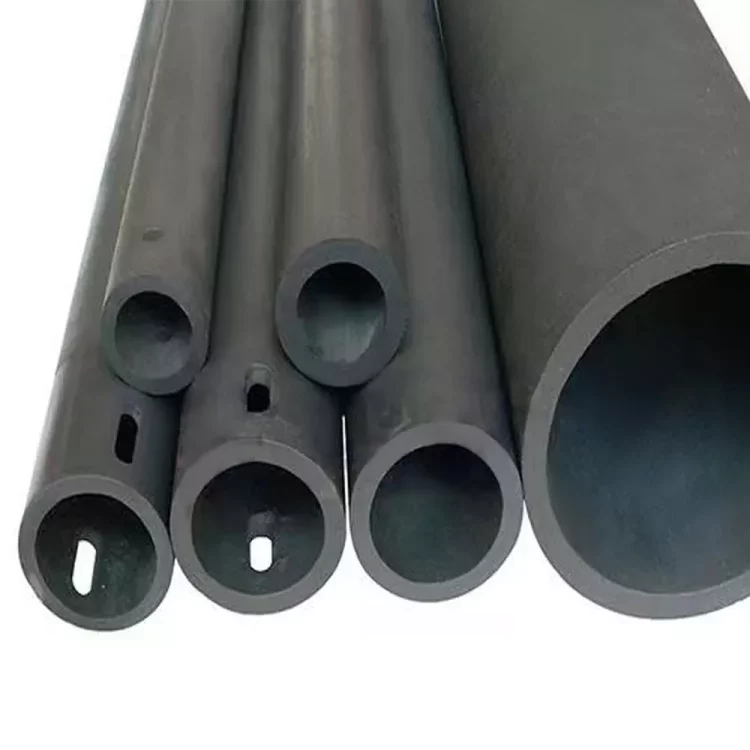
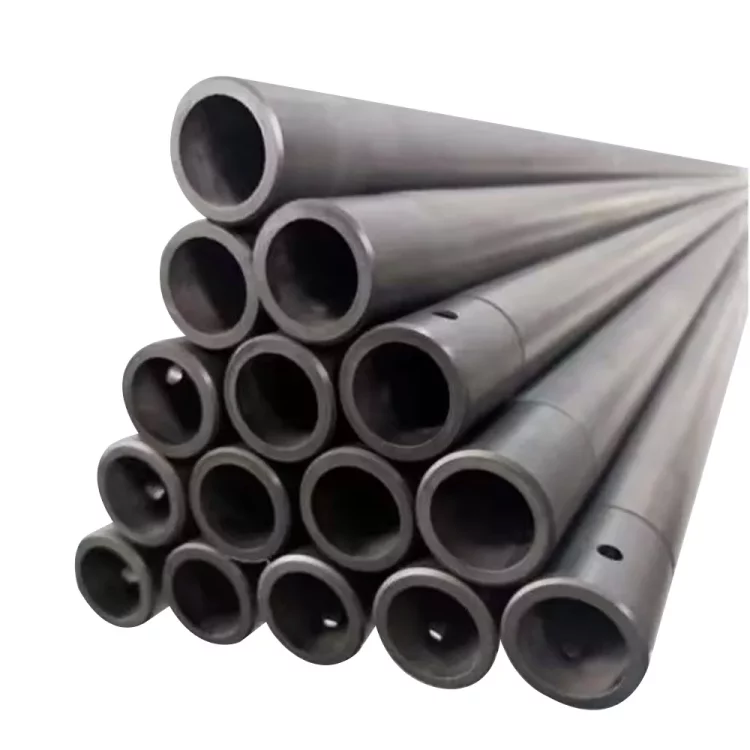
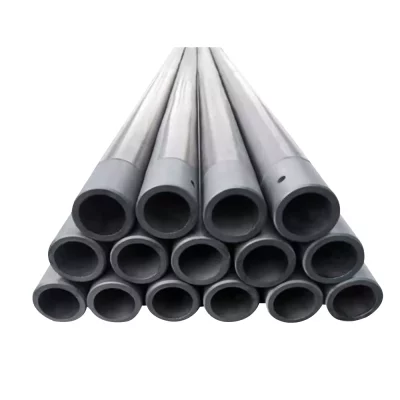
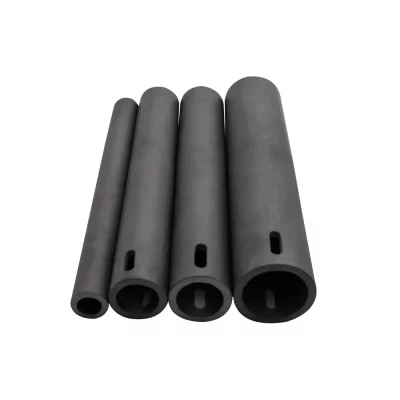

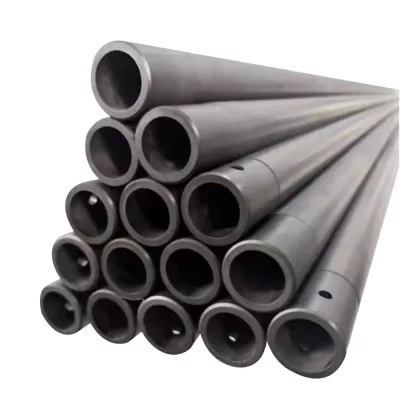
GORGEOUS CERAMICS (GGS) silicon carbide rollers are manufactured through extrusion molding and high-temperature sintering.
We can customize rollers according to customer-provided drawings, including drilling, grooving, and precision machining of the inner and outer diameters at both ends to meet diverse engineering and installation requirements.
Performance Advantages of Silicon Carbide Rollers
Every GORGEOUS CERAMICS (GGS) roller undergoes rigorous laser straightness testing before leaving the factory, and the test data for each roller is provided to customers for reference. Each of our rollers is tested on a bending strength testing machine with a standard of no less than 70 MPa to ensure the reliability of each roller.
GORGEOUS CERAMICS (GGS) silicon carbide rollers provide a technologically superior and cost-effective solution for harsh high-temperature kiln applications.
Our silicon carbide rollers exhibit excellent chemical corrosion resistance, enabling them to operate for extended periods in highly corrosive atmospheres and ionic environments, resulting in a longer service life.
CORESIC® SE silicon carbide rollers possess strong oxidation resistance, allowing them to operate stably for extended periods even in oxidizing atmospheres – further enhancing their lifespan.
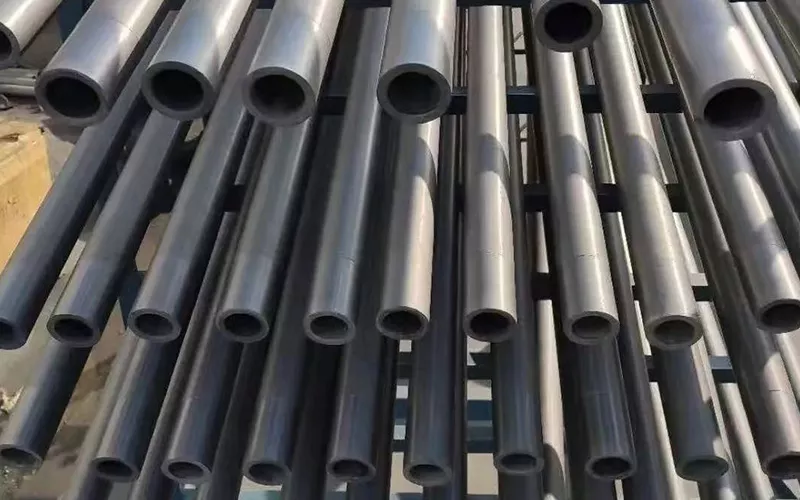
Specifications
Typical dimensions are 1300*220mm, with a thickness of 5mm. Custom sizes are available to meet your specific needs.
|
Наружный диаметр OD±X mm |
Inner diameter ID±X mm |
толерантность X mm |
Maximum length L±2мм |
|
34 |
24 |
±0.5 |
3000 |
|
34 |
20 |
±0.5 |
3000 |
|
35 |
25 |
±0.5 |
3000 |
|
38 |
28 |
±0.8 |
4000 |
|
40 |
30 |
±0.8 |
4000 |
|
40 |
25 |
±0.8 |
4000 |
|
42.5 |
30 |
±0.8 |
4000 |
|
45 |
35 |
±1.0 |
4000 |
|
45 |
30 |
±1.0 |
4000 |
|
45 |
25 |
±1.0 |
4000 |
|
50 |
38 |
±1.2 |
4000 |
|
65 |
40 |
±1.2 |
4000 |
Typical Applications of Silicon Carbide Rollers
Our silicon carbide rollers can be used as transport support rollers in high-temperature roller kilns.
Common application areas include: sintering processes for technical ceramics, DPF, lithium-ion batteries, nano-cell battery cathode and anode materials, electronic ceramic powders, sanitary ware, daily-use ceramics, magnetic materials, and refractory materials.